

Introduction
The Bordetella vaccine for dogs helps protect against kennel cough. Kennel cough is a contagious breathing illness in dogs. It spreads easily where dogs meet. This vaccine supports your dog’s immune system.
Many dogs meet other dogs every day. Parks, grooming salons, and boarding places are common spots. One sick dog can spread germs fast. That’s why prevention matters.
The Bordetella vaccine for dogs is often required by kennels and trainers. It can be given as a shot, nasal spray, or oral dose. Your vet can help you choose the best option for your dog.
What Is Bordetella in Dogs?

Bordetella in dogs is a bacterial infection that affects the respiratory system. It is one of the main causes of kennel cough. Dogs with Bordetella often have a dry, hacking cough. Some dogs may also sneeze or have a runny nose.
This infection spreads very easily between dogs. It usually spreads through coughing, sneezing, or close contact. Dogs in boarding centers, parks, or shelters are at higher risk. Puppies and older dogs can get sick more quickly.
How the Bordetella Vaccine Protects Dogs
The Bordetella vaccine helps your dog fight the bacteria that cause kennel cough. It trains the immune system to recognize the germs early. This allows the body to respond faster if your dog is exposed. As a result, symptoms are often milder or avoided.
The vaccine also lowers the chance of spreading the infection to other dogs. This is especially helpful in places where dogs gather. Some key benefits include:
- Reduces the risk of kennel cough
- Helps lessen cough severity
- Protects dogs in social environments
- Supports overall respiratory health
How the Bordetella Vaccine Works in a Dog’s Immune System
The Bordetella vaccine teaches a dog’s immune system how to fight infection. It introduces a safe form of the bacteria or its parts. This helps the body learn without making the dog sick. The immune system remembers the threat.
If the dog meets the real bacteria later, the body reacts faster. White blood cells quickly attack the germs. This can stop the illness early or reduce symptoms. The dog recovers more easily.
How the immune system responds:
- Recognizes Bordetella bacteria
- Produces protective antibodies
- Responds faster to future exposure
- Helps prevent serious respiratory illness
Types of Bordetella Vaccines for Dogs
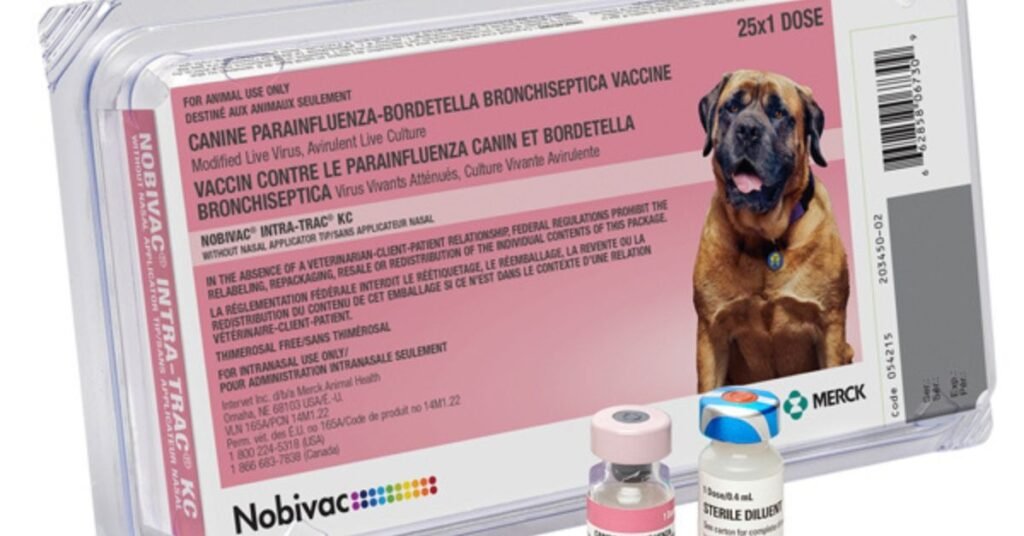
There are several types of Bordetella vaccines for dogs. Each type protects against kennel cough in a different way. The best choice depends on your dog’s age, health, and daily activities. Your veterinarian can help decide what works best.
Some vaccines are given as injections, while others are given through the nose or mouth. These options allow flexibility for different dogs. All types aim to reduce the risk and severity of infection.
| Vaccine Type | Method of Delivery | Main Purpose | Speed of Protection | Recommended For | Booster Schedule |
| Injectable Vaccine | Shot under the skin | Builds full-body immunity | Slower | Calm dogs, routine care | Every 6–12 months |
| Intranasal Vaccine | Nasal spray | Targets respiratory system | Fast | Boarding or daycare dogs | Once per year |
| Oral Vaccine | Liquid by mouth | Protects throat and airways | Fast | Dogs afraid of needles | Once per year |
| Combination Vaccine | Shot or nasal | Covers multiple infections | Varies | High-risk social dogs | As advised by vet |
| Puppy-Safe Option | Nasal or oral | Gentle immune support | Fast | Young puppies | As scheduled by vet |
Oral vs Nasal vs Injectable Bordetella Vaccine
The Bordetella vaccine comes in oral, nasal, and injectable forms. Each option protects dogs from kennel cough. They work in different ways inside the body. The right choice depends on your dog’s comfort and lifestyle.
Some vaccines act faster, while others build protection more slowly. Dogs that socialize often may need quick protection. Calm dogs may do fine with shots. Your vet can guide the best option.
| Vaccine Type | How It Is Given | Where It Works | Speed of Protection | Pros | Cons | Best For |
| Oral Vaccine | Liquid by mouth | Throat and airways | Fast | No needles, easy to give | May cause drooling | Needle-shy dogs |
| Nasal Vaccine | Spray into nose | Respiratory tract | Very fast | Strong local immunity | Sneezing after dose | Dogs in boarding or daycare |
| Injectable Vaccine | Shot under skin | Whole body | Slower | Long-lasting protection | Requires needle | Calm, adult dogs |
| Combination Option | Shot or nasal | Multiple areas | Varies | Broader protection | More than one dose | High-risk dogs |
How Effective Is the Bordetella Vaccine for Dogs?
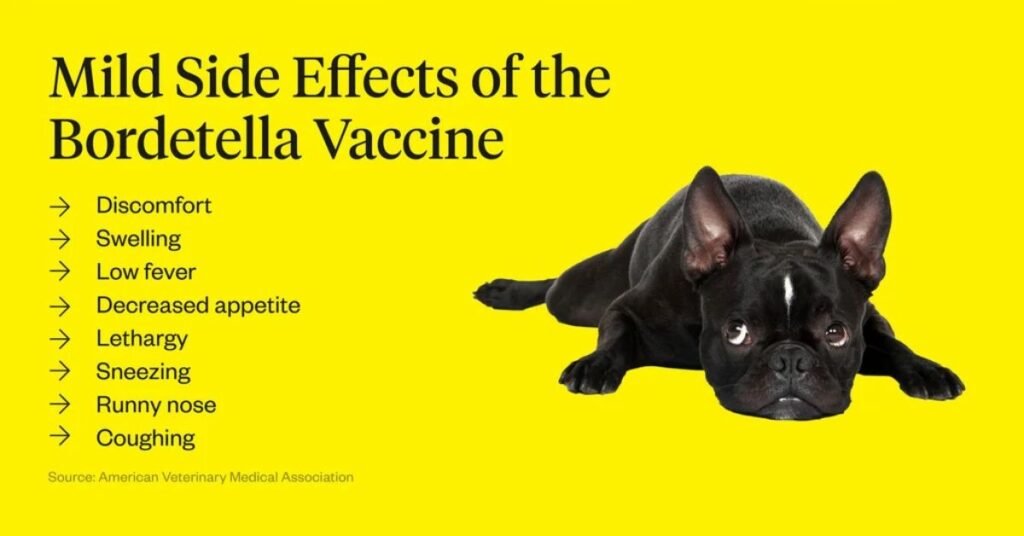
The Bordetella vaccine is effective for many dogs. It helps reduce the risk of kennel cough. Vaccinated dogs are less likely to get very sick. If they do get infected, symptoms are usually mild.
No vaccine gives 100% protection. However, this vaccine lowers the spread of infection. It is especially helpful for dogs that meet other dogs often. Regular boosters help keep protection strong.
Protection Timeline, Duration, and Booster Requirements
Bordetella vaccine protection does not start instantly. Most dogs build protection within a few days after vaccination. Some forms work faster than others. The protection helps reduce illness and spread.
The duration of protection can vary by vaccine type. Boosters are important to keep immunity strong. Dogs that socialize often may need boosters more frequently. Your vet can set the right schedule.
| Vaccine Type | When Protection Starts | How Long It Lasts | Booster Timing | Best For | Notes |
| Oral Vaccine | 3–5 days | Up to 12 months | Yearly | Social dogs | Easy to give |
| Nasal Vaccine | 2–4 days | Up to 12 months | Yearly | Boarding dogs | Fast action |
| Injectable Vaccine | 7–14 days | 6–12 months | Every 6–12 months | Calm adult dogs | Slower onset |
| Puppy Schedule | 5–7 days | Short-term | As advised by vet | Puppies | May need repeats |
| High-Risk Dogs | 2–5 days | Shorter | More frequent | Daycare dogs | Vet guidance needed |
Bordetella Vaccine Side Effects and Reactions in Dogs
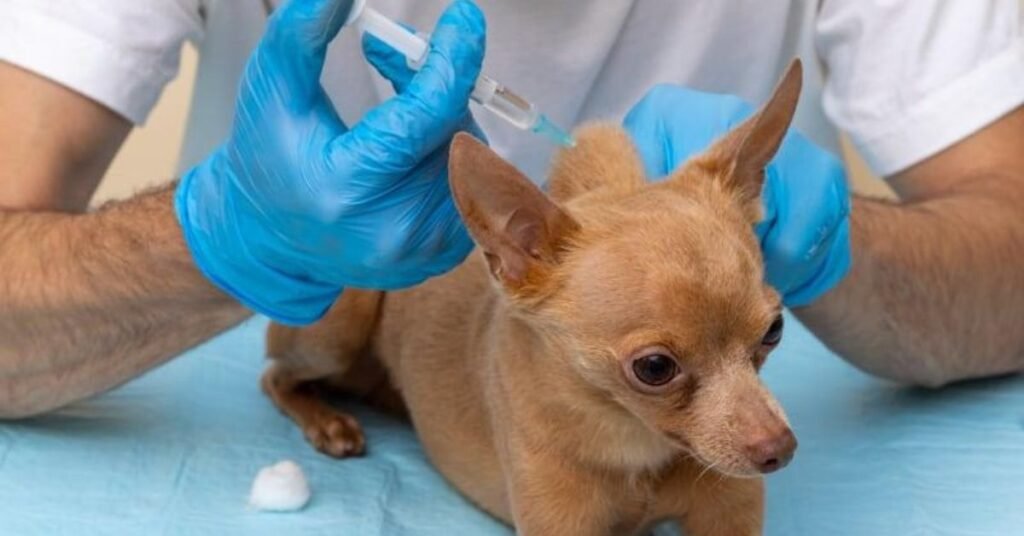
Most dogs do not have serious problems after getting the Bordetella vaccine. Any side effects are usually light and short-lasting. Your dog may act a little quiet or sleepy for a day. This happens because the immune system is learning to protect the body.
Some dogs may show small reactions depending on the vaccine type. These signs often clear up on their own. Still, it is a good idea to watch your dog closely after vaccination and contact your vet if something feels off.
Possible side effects can include:
- Mild coughing or sneezing
- Low energy for a short time
- Slight swelling or tenderness
- Runny nose after nasal vaccine
- Mild fever
Mild vs Serious Reactions and When to Call a Vet
After getting the Bordetella vaccine, most dogs only show mild reactions. These are short-term and not dangerous. Your dog may be a little tired, sneeze, or have a mild cough. This is normal and usually goes away in a day or two.
Serious reactions are rare but need fast attention. Signs like swelling, vomiting, or trouble breathing can appear quickly. If this happens, contact your veterinarian immediately. Early treatment keeps your dog safe and healthy.
| Reaction Type | Signs to Watch | Duration | Care at Home | Call Vet If |
| Mild | Sleepiness, mild cough | 1–2 days | Rest and monitor | Lasts more than 2 days |
| Injection Site | Small bump, soreness | 1–3 days | Avoid touching | Swelling grows or becomes hot |
| Nasal Vaccine | Sneezing, runny nose | 1 day | Keep dog calm | Breathing becomes difficult |
| Severe | Swelling of face/eyes, pale gums | Immediate | Emergency care | Call vet immediately |
| Allergic | Vomiting, difficulty breathing, hives | Sudden | Emergency treatment | Call vet or emergency clinic |
Which Dogs Need the Bordetella Vaccine Most?
Not all dogs need the Bordetella vaccine, but some are at higher risk. Dogs that meet other dogs often are more likely to catch kennel cough. Puppies, older dogs, and dogs with weak immune systems also need protection.
Dogs in social settings should get the vaccine to stay safe. This includes dogs that go to daycare, boarding, or grooming salons. Travel and training classes can also expose dogs to germs.
Dogs who need the vaccine most include:
- Puppies and young dogs
- Senior or sick dogs
- Dogs that go to boarding kennels
- Dogs attending daycare or training classes
- Dogs visiting dog parks frequently
Puppies, Boarding Dogs, Daycare, Grooming & Travel Risks
Puppies are more vulnerable to infections because their immune system is still developing. Bordetella can make them very sick if they are exposed. Dogs in boarding kennels or daycare meet many other dogs, which increases the risk of catching kennel cough.
Grooming salons and travel, such as trips to dog shows or parks, can also expose dogs to the bacteria. Vaccination helps reduce these risks. Understanding where your dog is most likely to encounter Bordetella can help keep them safe.
| Dog Group | Risk Level | Why at Risk | Prevention | Notes |
| Puppies | High | Immature immune system | Vaccinate early, limit exposure | Follow vet schedule closely |
| Boarding Dogs | High | Close contact with many dogs | Annual vaccine, hygiene | Kennels may require proof |
| Daycare Dogs | High | Frequent interaction | Vaccine before enrollment | Monitor for symptoms |
| Grooming Visits | Medium | Shared tools & spaces | Vaccine recommended | Ask groomer about cleaning practices |
| Traveling Dogs | Medium | Exposure to unfamiliar dogs | Vaccine before trips | Avoid crowded areas if unvaccinated |
| Senior/Weak Dogs | Medium | Weaker immunity | Vaccine, limit high-risk exposure | Vet may adjust schedule |
How Often Do Dogs Need the Bordetella Vaccine?
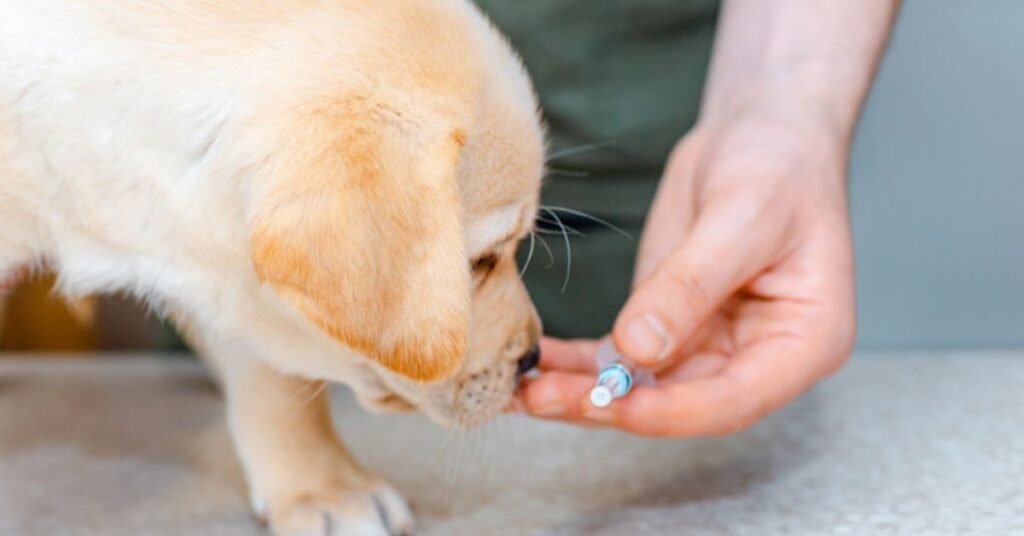
Dogs need the Bordetella vaccine https://www.petmd.com/dog/general-health/bordetella-vaccine-for-dogsmore than once to stay protected. A single dose only gives temporary protection. Most dogs get a booster every 6 to 12 months, depending on the type of vaccine. Your vet will suggest the right timing for your dog.
Puppies usually get a series of shots to build strong protection. Dogs that spend time in daycare, boarding, or other social settings may need boosters more often. Keeping up with the schedule helps prevent illness and reduces the spread of kennel cough.
Annual vs 6-Month Vaccination Guidelines
The Bordetella vaccine can be given either once a year or every six months. The right schedule depends on the dog’s risk and the vaccine type. Dogs in daycare, boarding, or frequent social settings may need a booster every six months. Dogs that stay mostly at home may only need a yearly booster.
Following the proper schedule helps keep your dog protected. Your veterinarian can recommend the best plan based on age, health, and exposure. Staying on schedule reduces the chance of kennel cough and helps prevent spreading it to other dogs.
| Vaccine Schedule | Recommended For | Frequency | Benefits | Notes |
| Annual | Low-risk dogs | Once a year | Convenient, maintains immunity | Ideal for home dogs |
| 6-Month | High-risk dogs | Every 6 months | Stronger protection | Best for daycare, boarding, or travel dogs |
| Puppies | All puppies | Series as advised by vet | Builds early immunity | Usually part of initial vaccination plan |
| Senior Dogs | Older dogs | As advised by vet | Keeps immunity effective | Monitor health before each booster |
| Combination Vaccine | Dogs at risk of multiple infections | Yearly or every 6 months | Protects against several respiratory germs | Follow vet guidance |
Bordetella Vaccine Cost
The cost of the Bordetella vaccine can vary depending on the clinic and location. Some vaccines are given as a shot, nasal spray, or oral dose, which can affect the price. On average, the cost is usually between $15 and $40 per dose.
Additional fees may include the veterinarian’s consultation or office visit. Puppies may need more than one dose, which increases the total cost. Boarding or daycare facilities may require proof of vaccination, making it important to budget for this expense.
Conclusion
The Bordetella vaccine is important for protecting dogs from kennel cough. It helps keep dogs healthy and reduces the risk of spreading infection. Dogs that meet other dogs often, such as in daycare or boarding, benefit the most from this vaccine.
Vaccination is safe for most dogs, with only mild side effects in most cases. Serious reactions are rare, but owners should watch their dogs after each dose. Consulting a veterinarian ensures the right type and schedule of vaccination.
Regular boosters, whether yearly or every six months, keep protection strong. Puppies, senior dogs, and high-risk dogs may need more attention. Following the recommended schedule helps dogs stay healthy all year.
Overall, the Bordetella vaccine is a simple and effective way to protect your dog. It supports their immune system and gives owners peace of mind. With proper care and vaccination, dogs can stay happy, healthy, and safe in social environments.
FAQs
1. What is the Bordetella vaccine for dogs?
The Bordetella vaccine protects dogs from kennel cough, a contagious respiratory infection. It helps reduce the severity of symptoms and lowers the risk of spreading the illness to other dogs.
2. How is the Bordetella vaccine given?
The vaccine can be given as a shot, nasal spray, or oral dose. Your veterinarian will choose the best method based on your dog’s age, health, and comfort.
3. Are there any side effects of the vaccine?
Most dogs only have mild side effects like tiredness, sneezing, or slight swelling at the injection site. Serious reactions are rare, but contact your vet if symptoms persist or worsen.
4. How frequently does my dog need the Bordetella vaccine?
Dogs may need boosters every 6 to 12 months, depending on their risk and the type of vaccine. Puppies and high-risk dogs may need more frequent doses.
5. Which dogs need the vaccine the most?
Dogs that socialize often, go to daycare, boarding, grooming, or travel frequently need the vaccine most. Puppies, older dogs, and dogs with weak immunity also benefit from protection.
