

Introduction
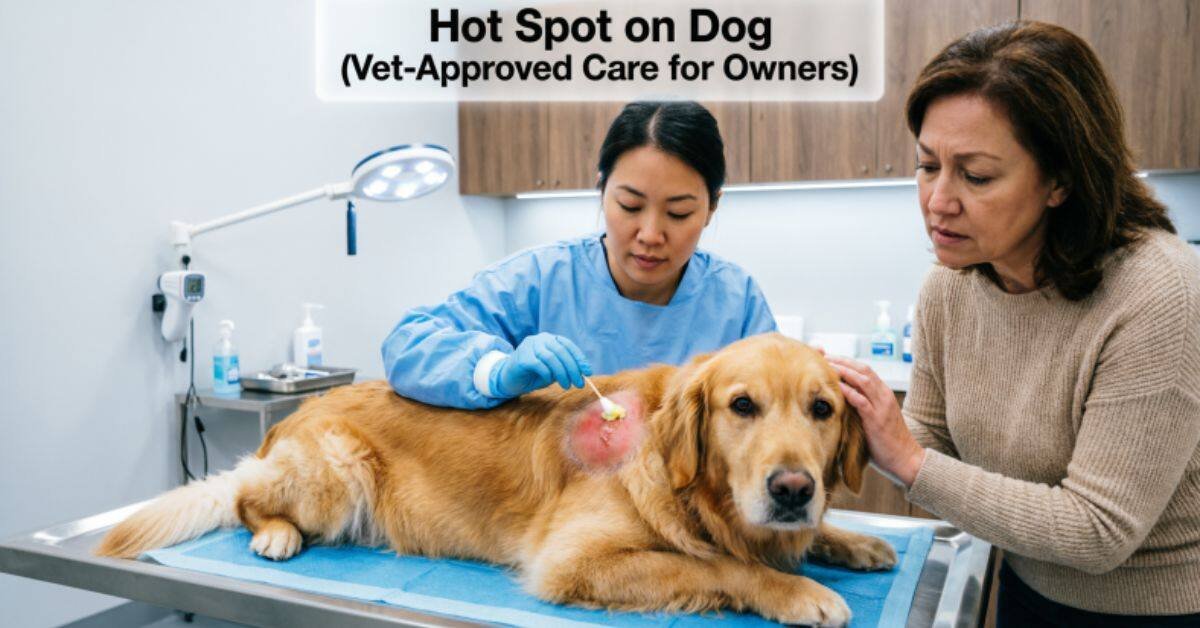
A hot spot on a dog is a painful, red, and inflamed area on their skin. It is usually itchy and can appear suddenly. Hot spots are often caused by infections, allergies, or constant scratching. They can spread quickly if not treated.
Hot spots can be very uncomfortable for dogs and worrying for owners. Have you ever seen your dog scratch or lick one spot non-stop? That is often a sign of a hot spot. These skin problems need attention fast to prevent them from getting worse.
In this topic, we will discuss the symptoms, causes, and treatment of hot spots in dogs. We will explain what to look for and how to help your dog heal. Understanding hot spots can make a big difference in keeping your dog healthy and comfortable.
What Are Hot Spots on Dogs?
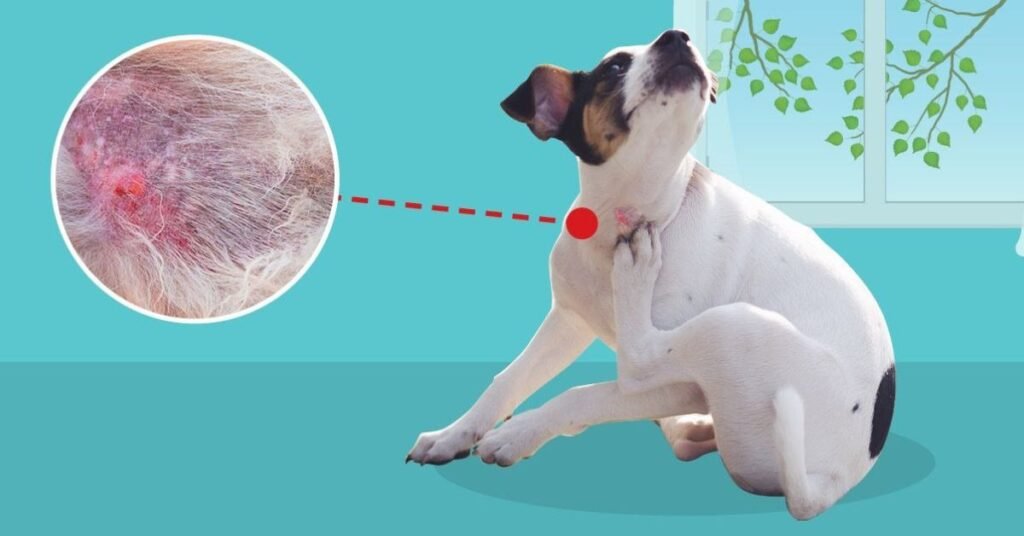
Hot spots on dogs are irritated, red, and inflamed patches on the skin. They are often itchy and painful, making dogs scratch, lick, or bite the area nonstop. These spots can appear very quickly and get worse if ignored.
Hot spots usually happen because of infections, allergies, insect bites, or constant irritation. Moist areas or thick fur can trap bacteria and make the problem worse. They can show up anywhere, but are often seen on the head, back, or legs. Treating them early helps your dog heal faster and stay comfortable.
Common Areas Where Hot Spots Appear
Hot spots can show up on different parts of a dog’s body. They often appear in places where dogs can easily lick or scratch. Areas with thick fur or trapped moisture are more likely to develop hot spots. These spots can grow fast and become very painful.
Common areas where hot spots appear include:
- Around the head and ears, especially if the dog has ear infections
- On the neck, where collars may cause friction
- Along the back and sides, due to allergies or flea bites
- On the hips and rear area, from constant licking
- On the legs and paws, especially in dogs with skin allergies
Symptoms of Hot Spots in Dogs
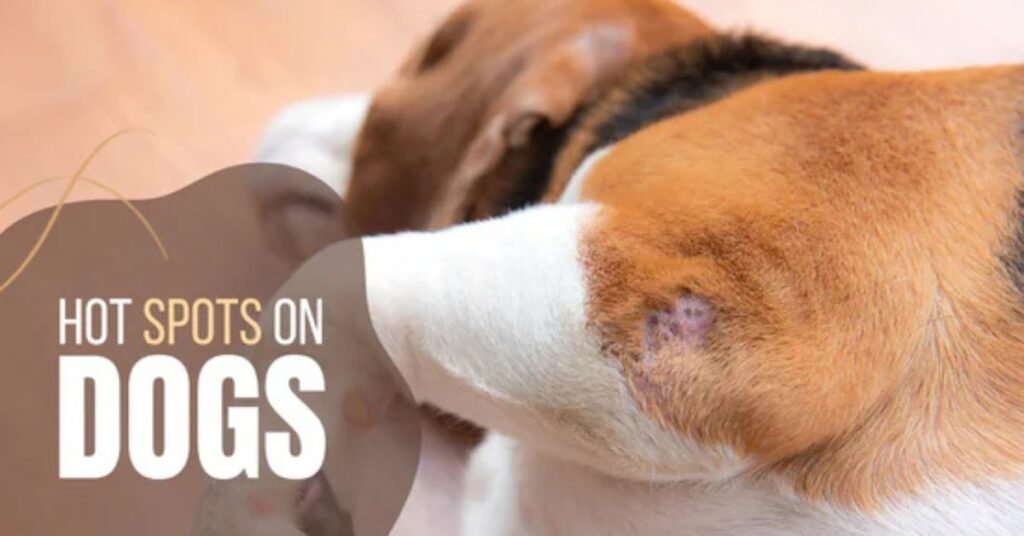
Hot spots can appear very suddenly. They often start as a small irritated area and grow quickly. The skin becomes red, moist, and painful. Dogs usually feel very uncomfortable and try to lick or scratch the spot all the time.
Common symptoms of hot spots in dogs include:
- A red, swollen patch of skin
- Wet or oozing surface
- Hair loss around the area
- Constant licking, biting, or scratching
- Bad smell from the infected spot
- Signs of pain when touched
Severe Symptoms That Need Vet Attention
Some hot spots can become serious very quickly. The infection may spread deeper into the skin. Your dog may feel a lot of pain and discomfort. In these cases, home care may not be enough. A vet visit is important to prevent further problems.
Watch for these severe symptoms:
- Rapidly growing or very large hot spot
- Thick pus or heavy discharge
- Bleeding or deep open wound
- Fever or low energy
- Loss of appetite
- Constant crying or signs of strong pain
Causes of Hot Spots in Dogs
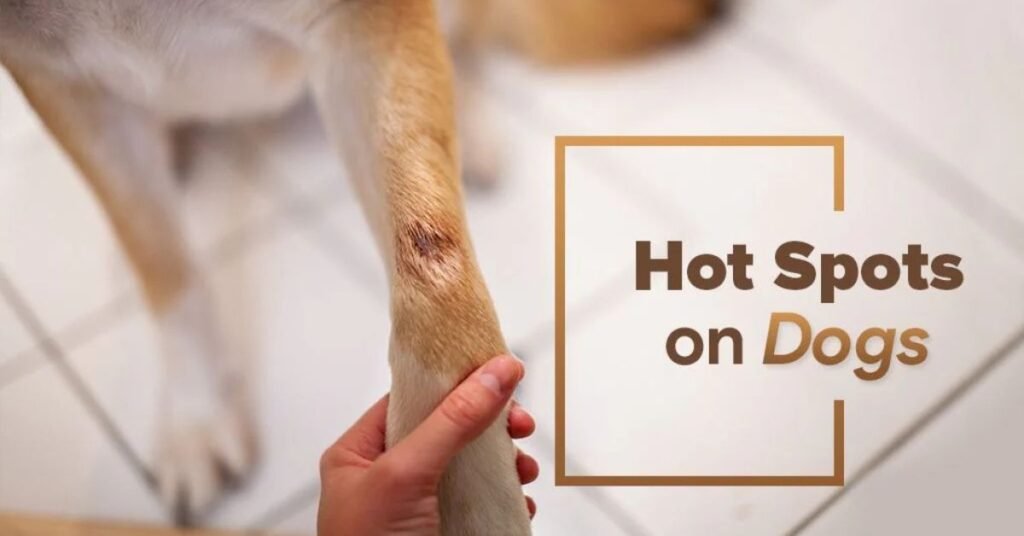
Hot spots usually start when a dog scratches or licks one area too much. This damages the skin and allows bacteria to grow. Moisture and warmth make the infection spread faster. Some dogs are more prone to hot spots than others.
Common causes of hot spots in dogs include:
- Flea bites or other insect bites
- Skin allergies from food or the environment
- Ear infections that lead to scratching
- Poor grooming or matted fur
- Small cuts or skin wounds
- Stress or boredom that causes excessive licking
Allergies, Fleas, and Skin Infections
Allergies, fleas, and skin infections are common triggers for hot spots in dogs. These problems make the skin itchy and irritated. Dogs scratch or lick the area again and again. This damages the skin and allows bacteria to grow. If not treated early, the infection can spread quickly.
Understanding the main cause helps with proper treatment. Some dogs react to food or pollen. Others may suffer from flea bites or untreated skin infections. The table below explains the differences and signs to watch for.
| Cause | What Triggers It | Common Signs | How It Leads to Hot Spots | Prevention Tips |
| Food Allergies | Certain proteins or ingredients in diet | Itchy skin, ear infections, paw licking | Constant scratching damages skin | Switch to vet-approved diet |
| Environmental Allergies | Pollen, dust, mold | Seasonal itching, red skin | Repeated licking creates moist areas | Regular baths and cleaning |
| Fleas | Flea bites and saliva reaction | Scratching, flea dirt, hair loss | Bites cause intense itching | Use flea prevention regularly |
| Bacterial Infections | Broken or irritated skin | Redness, swelling, discharge | Infection spreads under moist fur | Keep skin clean and dry |
| Fungal Infections | Yeast overgrowth | Greasy skin, bad smell | Irritation leads to scratching | Proper grooming and vet care |
| Poor Grooming | Matted or dirty fur | Tangled hair, trapped moisture | Bacteria grow under mats | Brush and groom regularly |
Behavioral and Environmental Factors
Hot spots are not always caused by medical problems. Sometimes a dog’s behavior or surroundings play a big role. Stress, boredom, and anxiety can make dogs lick or chew one area too much. Wet weather and dirty living spaces can also irritate the skin.
When a dog keeps licking the same spot, the skin becomes raw and infected. Moisture trapped in thick fur makes it worse. Understanding these triggers can help prevent hot spots before they start. The table below explains common behavioral and environmental factors.
| Factor | Description | Signs to Watch | How It Triggers Hot Spots | Prevention Tips |
| Boredom | Lack of activity or stimulation | Excessive licking or chewing | Constant licking damages skin | Provide toys and daily exercise |
| Stress or Anxiety | Changes in routine or environment | Nervous behavior, pacing | Repetitive licking creates wounds | Keep a stable routine |
| Wet Weather | Rain or swimming without drying | Damp fur, itching | Moisture traps bacteria | Dry dog thoroughly after getting wet |
| Dirty Bedding | Unclean sleeping area | Skin irritation, scratching | Bacteria spread to skin | Wash bedding regularly |
| Tight Collars | Friction around neck | Redness under collar | Rubbing irritates skin | Use properly fitted collar |
| Poor Ventilation | Humid or hot environment | Sweaty or damp coat | Heat increases bacterial growth | Keep living area cool and dry |
Dog Breeds Prone to Hot Spots
Some dog breeds get hot spots more often than others. Dogs with thick, heavy coats are at higher risk. Their fur can hold moisture close to the skin. Bacteria can grow more easily in this environment.Breeds that shed a lot or have sensitive skin may also face this issue.
Large and long-haired breeds are commonly affected. Dogs that swim often or live in humid areas can also develop hot spots more easily. Regular brushing and proper drying can help prevent skin problems. Good grooming habits keep their skin clean and healthy.
Why Some Breeds Are More Susceptible
Some breeds have coats that make a Hot Spot on Dog more likely. Heavy, fluffy, or double coats can trap moisture close to the skin. When the skin stays damp, bacteria grow faster. Thick fur also blocks airflow, which slows healing.
Other breeds are more prone to allergies and sensitive skin, increasing the risk of a Hot Spot on Dog. They may react to fleas, certain foods, or pollen. This causes more scratching and licking. The more they irritate one area, the higher the chance of a hot spot forming. Regular grooming and early care can help reduce the risk.
Genetic and Skin Type Considerations
A dog’s genetics and skin type can make hot spots more likely. Some breeds inherit sensitive skin or coat traits. Dogs with oily or thick skin may trap moisture, which leads to infections. Knowing your dog’s skin type helps prevent problems early.
Genetics also play a role in allergies or immune system issues. Dogs with certain inherited traits may scratch or lick more often. Regular grooming and monitoring can reduce the risk of hot spots. The table below explains common genetic and skin factors.
| Factor | Description | How It Affects Hot Spots | Prevention Tips |
| Sensitive Skin | Skin that easily irritates | Scratching damages skin, bacteria grows | Use gentle shampoos, avoid harsh chemicals |
| Thick or Double Coat | Dense fur traps moisture | Creates warm, damp areas for bacteria | Regular brushing, proper drying after baths |
| Oily Skin | Excess sebum on skin | Attracts bacteria and dirt | Bathe with vet-approved products, clean regularly |
| Inherited Allergies | Allergic reactions passed from parents | Causes itching and constant licking | Identify allergens, use hypoallergenic diet or meds |
| Weak Immune System | Genetically prone to infections | Slower healing and more infections | Regular vet checkups, balanced diet |
| Hairy Skin Folds | Extra folds in certain breeds | Moisture gets trapped, bacteria grows | Keep folds clean and dry, inspect daily |
How to Treat Hot Spots in Dogs

Treating hot spots quickly is very important. First, you need to clean the area gently with mild antiseptic. Trim the hair around the spot so it can dry properly. This helps air reach the skin and prevents bacteria from spreading.
Your vet may recommend medication like antibiotics or anti-inflammatory creams. Dogs with severe itching might need oral medicine to reduce discomfort. Prevent your dog from licking or scratching the area by using an e-collar. Early treatment helps the hot spot heal faster and stops it from coming back.
Veterinary Treatments and Medications
For serious hot spots, visiting a vet is the best choice. The vet will carefully clean the affected area and may apply medicated creams or sprays. If bacteria are present, antibiotics might be prescribed. Anti-inflammatory medicine can help ease pain and reduce swelling.
In some cases, oral medication is needed to control severe itching or infection. The vet may also suggest allergy treatments if allergies triggered the hot spot. Using a protective e-collar stops your dog from licking or scratching. Following the vet’s instructions ensures faster healing and keeps your dog comfortable.
Safe Home Remedies
For minor hot spots, you can help your dog at home safely. Gently clean the affected area with a mild antiseptic or saltwater solution. Carefully trim the hair around the spot so it stays dry and gets air. This helps the skin heal faster and stops bacteria from spreading.
You can also apply a cool compress to calm redness and irritation. Natural remedies like aloe vera gel or a little coconut oil can soothe the skin. Use an e-collar or light bandage to prevent your dog from licking or scratching. If the hot spot does not improve in a few days, contact your vet for proper treatment.
Recovery and Care Tips
Proper care is very important for healing hot spots. Keeping the area clean and dry helps the skin recover quickly. Preventing your dog from licking or scratching the spot is also key. Following vet instructions ensures faster healing and reduces the chance of infection.
Here are some tips to help your dog recover:
| Care Tip | How to Do It | Why It Helps | Notes |
| Clean the Area | Use mild antiseptic or saline | Removes bacteria and dirt | Do this 1–2 times daily |
| Trim Hair Around Spot | Carefully cut fur around hot spot | Allows air to reach skin | Helps dry the area and prevent spreading |
| Use E-Collar | Place protective collar on dog | Stops licking and scratching | Keep on until spot heals |
| Apply Medications | Use ointments or creams as prescribed | Reduces infection and swelling | Follow vet instructions exactly |
| Cool Compress | Apply cold cloth to area for a few minutes | Soothes irritation and redness | Can be done 2–3 times daily |
| Monitor for Infection | Check daily for pus, odor, or increased redness | Detects worsening condition early | Contact vet if condition worsens |
| Keep Dog Comfortable | Provide a calm and clean environment | Reduces stress and licking | Soft bedding and quiet area help healing |
Cleaning and Dressing Hot Spots
Cleaning and dressing hot spots properly is very important. A clean area prevents bacteria from spreading. Trimming hair around the spot helps it dry faster. Keeping your dog from licking the wound helps it heal better.
Here is a guide for cleaning and dressing hot spots:
| Step | How to Do It | Why It Helps | Notes |
| Trim Hair | Use scissors or clippers carefully | Exposes the skin and allows air | Be gentle to avoid hurting your dog |
| Clean Area | Use mild antiseptic or saline solution | Removes dirt and bacteria | Clean 1–2 times daily |
| Dry Spot | Pat gently with a clean cloth | Prevents moisture buildup | Avoid rubbing too hard |
| Apply Medication | Use vet-prescribed cream or ointment | Reduces infection and inflammation | Follow dosage instructions |
| Protect Spot | Use an e-collar or light bandage | Stops licking or scratching | Check bandage daily for tightness |
| Monitor | Check for redness, pus, or odor | Detects worsening infection early | Contact vet if needed |
| Repeat Daily | Clean and dress regularly | Speeds up healing | Consistency is key |
Monitoring Healing and Preventing Infection
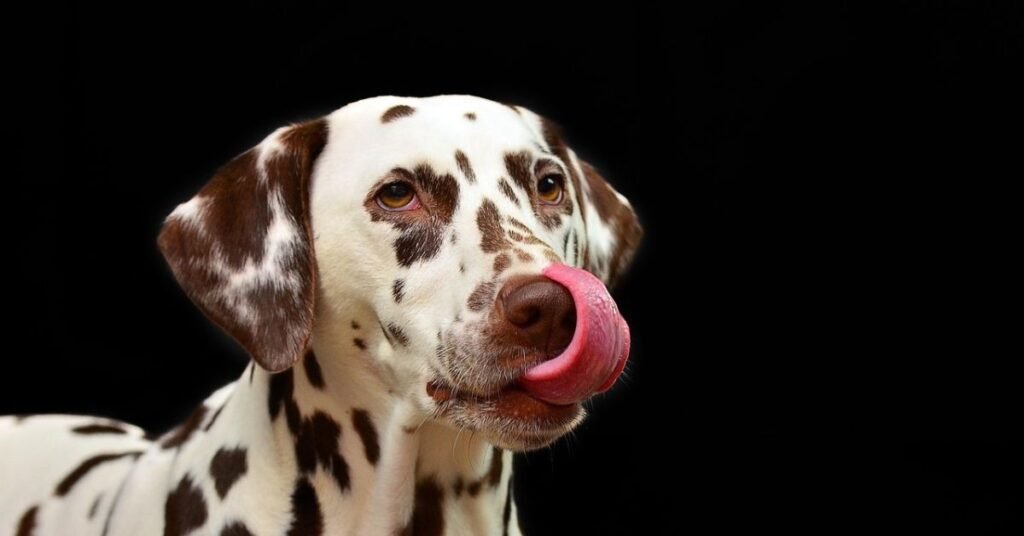
After treating a hot spot, it’s important to watch your dog closely. Check the area daily for redness, swelling, or discharge. This helps catch any signs of infection early. Keeping the spot clean and dry prevents bacteria from growing.
Here is a guide for monitoring healing and preventing infection:
| Task | How to Do It | Why It Helps | Notes |
| Daily Inspection | Look at hot spot every day | Detects early signs of infection | Watch for pus, odor, or increased redness |
| Clean Gently | Use mild antiseptic or saline | Keeps bacteria away | Do not scrub harshly |
| Keep Dry | Pat with clean cloth or allow air | Prevents moisture buildup | Moisture slows healing |
| Use E-Collar | Prevent licking or scratching | Stops further damage | Keep on until fully healed |
| Apply Medications | Use prescribed creams or ointments | Reduces inflammation and infection | Follow vet instructions carefully |
| Observe Behavior | Watch for pain, licking, or discomfort | Shows if healing is progressing | Note any changes and report to vet if needed |
| Track Size | Measure or compare spot daily | Ensures it is shrinking | Slower healing may require vet visit |
How to Prevent Hot Spots in Dogs
Preventing hot spots is easier than treating them. Regular grooming keeps your dog’s coat clean and free from mats. Dry your dog well after baths or swimming. Check their skin often for redness, bumps, or irritation.
Controlling fleas and allergies is also important. Provide a balanced diet and a clean living area. Reduce stress and boredom with exercise and toys. Early care and attention can keep your dog’s skin healthy and prevent painful hot spots.
Grooming and Skin Care Tips
Regular grooming is key to preventing hot spots in dogs. Brushing removes dirt, loose hair, and mats that can trap moisture. Bathing with gentle shampoo keeps the skin clean and healthy. Checking the skin often helps catch irritation early.
Here is a guide for grooming and skin care:
| Tip | How to Do It | Why It Helps | Notes |
| Regular Brushing | Brush your dog’s coat daily or weekly depending on breed | Removes dirt, loose hair, and prevents mats | Use the right brush for your dog’s coat type |
| Bathing | Use mild, dog-safe shampoo | Keeps skin clean and reduces bacteria | Avoid over-bathing, which can dry skin |
| Hair Trimming | Trim long fur around sensitive areas | Prevents moisture buildup and irritation | Be careful around hot spots or sensitive skin |
| Ear Cleaning | Clean ears regularly with vet-approved solution | Prevents infections that can lead to scratching | Avoid deep insertion, only clean outer ear |
| Nail Trimming | Keep nails short | Prevents accidental scratches | Trim carefully to avoid bleeding |
| Skin Checks | Inspect skin for redness, bumps, or rashes | Detects early signs of irritation or hot spots | Do this during grooming sessions |
| Moisturizing | Use vet-approved skin oils or sprays if needed | Prevents dry, cracked skin | Only for dogs with dry skin issues |
Do Hot Spots Heal on Their Own?
Hot spots almost never heal by themselves. If ignored, they can spread and get very painful. Dogs often lick, chew, or scratch the area, which makes it worse. Acting quickly is the only way to prevent serious infection and discomfort.
Important points to remember:
- Small spots might look better temporarily but usually come back
- Moist, trapped fur and bacteria slow down healing
- Constant licking or biting can make the wound bigger
- Proper cleaning, drying, and protection speeds up recovery
- Keeping your dog from irritating the spot is key for full healing
Can Hot Spots Be Dangerous or Contagious?
Hot spots are usually not life-threatening, but they can become serious if untreated. The infection can spread deeper into the skin, causing pain and discomfort. Severe hot spots may also affect your dog’s overall health, making them lethargic or losing appetite.
Hot spots are not contagious to other dogs or humans, but they can be very uncomfortable for your pet. The table below explains the risks and precautions:
| Factor | Details | Why It Matters | Prevention / Action |
| Infection Spread | Bacteria can go deeper into skin | Causes more pain and slows healing | Clean and treat hot spots promptly |
| Pain & Discomfort | Dogs may bite, lick, or scratch constantly | Leads to stress and possible injury | Use e-collar to prevent further damage |
| Secondary Illness | Severe infection may cause fever or lethargy | Affects overall health | Contact vet for severe cases |
| Contagion | Hot spots are not contagious | Safe around other pets and humans | Maintain hygiene to avoid spreading bacteria on hands |
| Recurrence | Dogs prone to allergies or skin issues may get hot spots again | Can become a chronic problem | Regular grooming and monitoring can reduce risk |
| Skin Scarring | Deep or untreated hot spots may leave scars | Affects fur and skin health | Early treatment prevents permanent damage |
How Long Do Hot Spots Usually Last?
The healing time for a Hot Spot on Dog depends on how severe it is. With proper care, mild cases may start to improve within a few days. Larger or infected areas can take one to two weeks to fully heal. Quick treatment always helps speed up recovery.
Dogs that keep licking or scratching can slow the healing of a Hot Spot on Dog. Using an e-collar or a protective bandage can help prevent more damage. Follow your vet’s advice and keep the area clean. Early care is the key to faster healing and comfort.
Conclusion
Hot Spot on Dog is a common skin problem in dogs. It appears red, itchy, and often painful. Dogs scratch, lick, or bite the area, which makes it worse. Quick attention is important to stop the infection from spreading.
Treating a Hot Spot on Dog early helps your pet heal faster. Clean the area, trim the hair, and use vet-prescribed medication. These steps can make a big difference. Small spots may heal quickly, but severe ones need professional care.
Prevention is just as important as treatment for Hot Spot on Dog. Regular grooming and proper bathing help a lot. Keep your dog dry and clean. Control fleas, allergies, and stress to reduce the risk.
Watch your dog closely every day. Check their skin for redness or irritation. Use collars or bandages to stop scratching. With proper care, your dog can heal safely and stay happy and comfortable.
FAQs
1. What exactly is a hot spot on a dog?
A hot spot is a red, inflamed, and itchy area on a dog’s skin. It can appear suddenly and spread quickly if not treated. Dogs often lick, bite, or scratch the spot, making it worse. Hot spots are usually caused by infections, allergies, flea bites, or irritation.
2. How can I tell if my dog has a hot spot?
Look for red, wet, or oozing patches on your dog’s skin. Hair around the area may fall out, and the spot might smell bad. Your dog may scratch, lick, or bite the area constantly. Early detection helps prevent the hot spot from worsening.
3. Can hot spots be dangerous for my dog?
Hot spots are usually not life-threatening, but they can become serious if left untreated. The infection can spread deeper into the skin, causing pain and discomfort. Severe cases may make your dog lethargic or lose appetite. Early treatment reduces complications.
4. How can I treat a hot spot at home?
Mild hot spots can be cleaned with a mild antiseptic or saline solution. Trim hair around the spot and keep it dry. You can use natural remedies like aloe vera or coconut oil to soothe irritation. However, severe or spreading hot spots need a vet’s care.
5. How can I prevent hot spots from happening again?
Regular grooming and brushing prevent mats and trapped moisture. Keep your dog dry after baths or swimming. Control fleas, allergies, and stress, and provide a clean living environment. Early attention to irritation or scratching can help avoid future hot spots.
