


Introduction
Sardines are small, oily fish that people often eat fresh or from a can. They are rich in protein and healthy fats. Many dog owners wonder if this same fish is safe for their pets. So, can dogs eat sardines? The short answer is yes, but only in the right way and in the right amount.
If you are looking for a natural way to boost your dog’s nutrition, sardines might sound like a great option. They are packed with omega-3 fatty acids and important vitamins. But not all sardines are prepared the same. Some types can contain too much salt or oil, which may not be good for your dog.
In this guide, we will explain the benefits and possible risks of feeding sardines to dogs. You will also learn how many sardines are safe and the best way to serve them. This will help you make a smart and safe choice for your furry friend.
Can Dogs Eat Sardines?
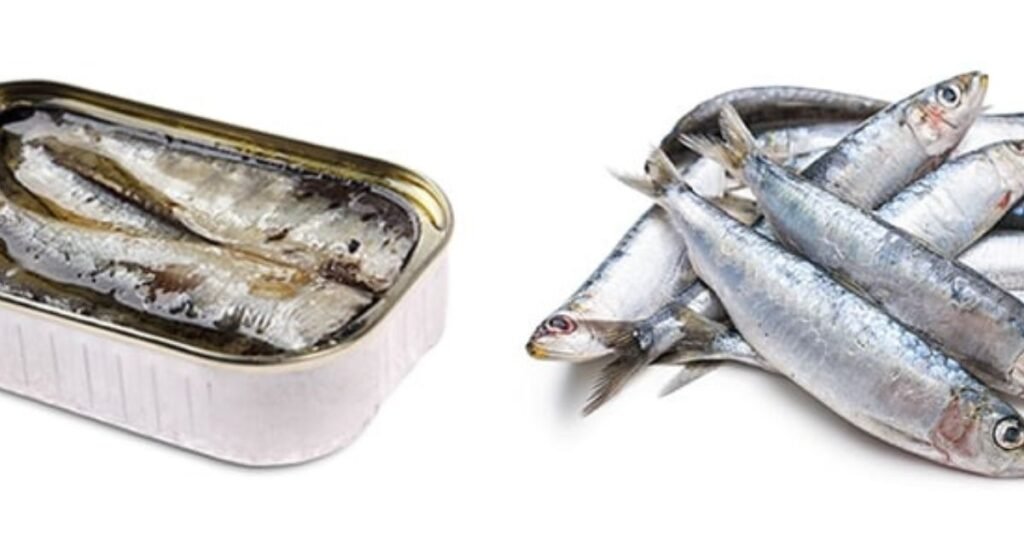
Yes, dogs can eat sardines. They are safe for most dogs. Sardines are small fish and are rich in protein. They also have healthy fats like omega-3. These nutrients help your dog’s skin and coat. They can also support heart and joint health. Always serve sardines in plain water. Avoid sardines packed in oil or with added salt.
You should feed sardines in small amounts. Too much can upset your dog’s stomach. Choose fresh or canned sardines with no spices. Check the label before buying. Remove any added sauces or flavors. You can mix a small piece with your dog’s regular food. If your dog has health problems, ask your vet first.
Are Sardines Safe or Not?
In general, sardines are safe for most dogs. These small fish have low mercury levels, which makes them a safer seafood option. They also provide many useful nutrients that support your dog’s health. Because of these nutrients, sardines can help keep your dog’s coat shiny and the skin healthy. In addition, they support brain and heart health. For the best option, choose plain sardines packed in water.
But sardines are not safe in every form. Avoid sardines in oil, salt, or spicy sauce. Too much salt can harm your dog. Too much oil can upset the stomach. Always feed small amounts. If your dog has allergies or health problems, talk to your vet first.
Are Sardines Good for Dogs? Proven Health Benefits
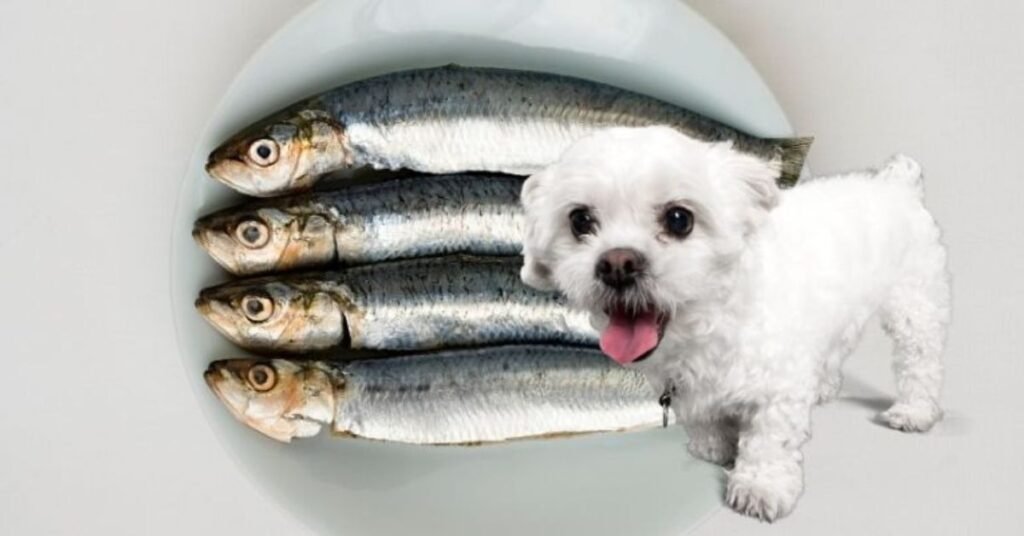
Yes, sardines are good for many dogs. They are rich in omega-3 fatty acids. These healthy fats support the heart and brain. They can help reduce inflammation. Sardines also support joint health. They contain many important nutrients that help your dog stay strong. When served plain, they can be a healthy treat.
Sardines can also improve your dog’s skin and coat. They may help with dry and itchy skin. The nutrients in sardines support the immune system. They also help build strong muscles. Always choose sardines in water with no added salt. Give only a small portion at a time to keep your dog’s stomach comfortable.
Nutritional Benefits of Sardines for Dogs
| Nutrient | What It Does for Dogs | Health Benefit |
| Omega-3 Fatty Acids | Supports heart and brain function | Better heart health and mental sharpness |
| Protein | Helps repair and build body tissues | Strong muscles and healthy growth |
| Vitamin D | Helps the body use calcium properly | Strong bones and teeth |
| Calcium | Keeps bones and teeth firm | Healthy skeletal system |
| Vitamin B12 | Supports healthy nerves | Improved energy and brain function |
| Selenium | Protects cells from damage | Stronger immune system |
| Phosphorus | Works with calcium for bone support | Healthy bones and joints |
| Coenzyme Q10 | Helps produce energy in cells | Better overall vitality |
| Iron | Carries oxygen in the blood | Prevents tiredness and weakness |
| Niacin (Vitamin B3) | Helps turn food into energy | Healthy digestion and metabolism |
Omega-3 Fatty Acids for Skin, Coat, and Joints
Omega-3 fatty acids are very important for dogs. They help keep the skin soft and healthy. They can reduce dryness and itching. Dogs with dull coats may look shinier after getting enough omega-3. These healthy fats also lower inflammation in the body. This is helpful for dogs with joint pain.
Omega-3 fatty acids also support joint movement. They can help older dogs feel more comfortable. Active dogs may recover faster after exercise. These fats also support brain and heart health. You can find omega-3 in foods like sardines and other fish. Always give the right amount for your dog’s size.
How Omega-3 Fatty Acids Help Dogs
| Benefit Area | How Omega-3 Helps | Result for Your Dog |
| Skin Health | Reduces dryness and irritation | Softer and healthier skin |
| Coat Shine | Nourishes hair follicles | Shiny and smooth coat |
| Itching Relief | Lowers inflammation | Less scratching |
| Joint Support | Reduces joint inflammation | Easier movement |
| Arthritis Care | Helps manage stiffness | More comfort in older dogs |
| Heart Health | Supports healthy heart function | Better overall wellness |
| Brain Function | Supports brain cells | Improved focus and alertness |
| Immune System | Strengthens body defense | Fewer illnesses |
| Recovery After Exercise | Reduces muscle soreness | Faster recovery |
| Allergy Support | Helps control inflammatory response | Reduced allergy symptoms |
Protein, Vitamin D, and Essential Minerals
Dogs need protein every day to stay strong. Protein helps grow and repair muscles. It also supports healthy skin and organs. Puppies need it for proper growth. Adult dogs need it to maintain strength. Without enough protein, dogs may feel weak and tired.
Vitamin D and key minerals are just as important. Vitamin D helps the body use calcium the right way. This keeps bones firm and teeth strong. Minerals like iron, zinc, and magnesium support many body functions. They help with blood health, immunity, and muscle movement. All these nutrients work together to keep your dog active and healthy.
Key Nutrients and Their Benefits for Dogs

| Nutrient | Main Role in the Body | How It Helps Your Dog |
| Protein | Builds and fixes body tissues | Supports muscle strength and growth |
| Vitamin D | Helps control calcium levels | Keeps bones and teeth strong |
| Calcium | Forms strong bones | Supports healthy skeletal system |
| Phosphorus | Works with calcium | Maintains bone balance |
| Iron | Helps make red blood cells | Prevents low energy |
| Zinc | Supports skin and immune health | Promotes healing |
| Magnesium | Aids muscle and nerve activity | Improves movement |
| Potassium | Balances fluids and muscles | Supports heart function |
| Selenium | Protects body cells | Strengthens immunity |
| Copper | Helps create healthy blood cells | Supports overall health |
Anti-Inflammatory Support for Senior Dogs
Older dogs often face joint stiffness and aches. Their bodies age, and movements can become painful. Anti-inflammatory support helps reduce this discomfort. It can make walking, running, and playing easier. With proper care, senior dogs can stay more active and enjoy life.
Certain foods and nutrients help keep inflammation under control. Omega-3 fatty acids are very beneficial for aging joints. They help calm swelling and support overall mobility. A well-balanced diet strengthens bones and muscles too. Light exercise also keeps joints flexible. Always consult a vet before giving any supplements to older dogs.
Potential Risks of Sardines for Dogs
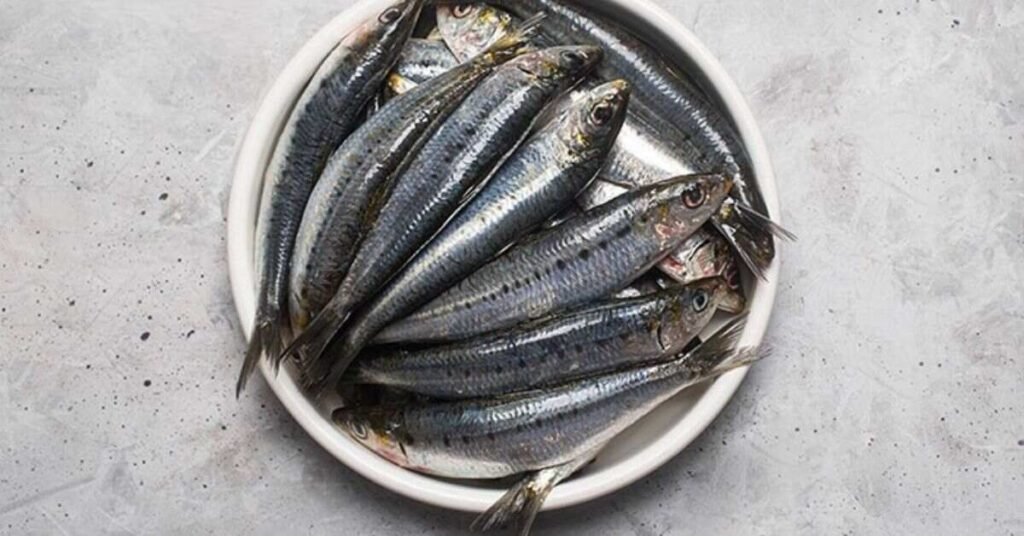
Sardines are healthy, but they can have some risks. Too many sardines may upset your dog’s stomach. Sardines with added salt, oil, or spices can be harmful. Some dogs may have allergies or digestive problems. Always watch your dog after giving sardines for the first time.
Other risks include bones and preservatives. Small bones in sardines can be a choking hazard. Canned sardines with preservatives may cause health issues over time. To keep your dog safe:
- Feed plain sardines in water only
- Give small portions at a time
- Avoid sardines with added salt or sauces
- Check for any allergic reactions
- Consult a vet if your dog has health problems
High Sodium and Oil Content Risks
Sardines can be high in sodium and oil if not chosen carefully. Too much salt can harm your dog’s kidneys and heart. It can also cause dehydration and vomiting. Oils in sardines, especially flavored or packed in oil, can upset the stomach. Dogs may get diarrhea or feel sick if they eat too much.
It is important to pick plain sardines in water. Feed only small amounts at a time. Always read labels before giving sardines to your dog. Avoid flavored, smoked, or heavily salted options.
Risks of High Sodium and Oil in Sardines for Dogs
| Risk Factor | What It Can Do | Possible Effect on Dogs | How to Avoid |
| High Sodium | Overloads kidneys and heart | Dehydration, vomiting, high blood pressure | Choose plain sardines in water, avoid added salt |
| High Oil Content | Upsets digestive system | Diarrhea, nausea, stomach discomfort | Use small portions, avoid sardines packed in oil or sauces |
| Flavored/Sauced Sardines | Contains spices and preservatives | Allergic reactions, digestive issues | Stick to plain, unflavored sardines |
| Excess Quantity | Too much at once | Stomach upset, vomiting, diarrhea | Feed small amounts based on dog size |
| Long-Term Overfeeding | Repeated exposure | Obesity, heart or kidney problems | Use sardines as occasional treat, not daily food |
Can Dogs Eat Canned Sardines, Raw Sardines, or Sardines in Oil?
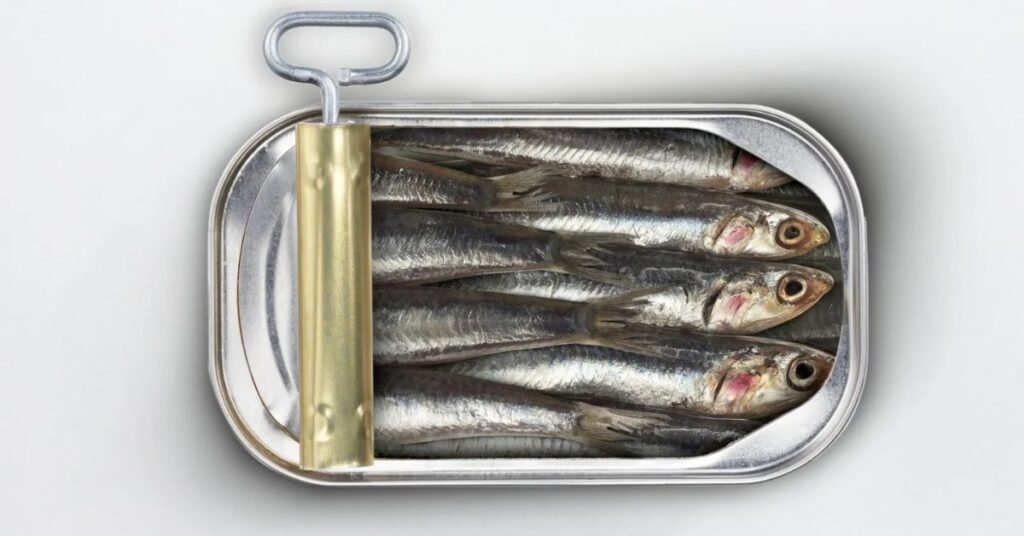
Dogs can eat sardines, but the type matters. Plain canned sardines in water are the safest option. They are easy to digest and low in harmful ingredients. Raw sardines can be given sometimes, but make sure they are fresh and clean. Sardines in oil or with added flavors are not safe. They may lead to digestive issues or make your dog sick.
Always feed in small amounts. Introduce sardines slowly to see how your dog reacts. Avoid sardines with bones if possible. Choose high-quality products without preservatives or salt.
| Sardine Type | Safe for Dogs? | Pros | Risks | Feeding Tips |
| Canned Sardines in Water | Yes | Easy to serve, safe, rich in omega-3 | Low risk if plain | Give small portions, check label |
| Raw Sardines | Sometimes | Fresh, full of nutrients | Risk of bacteria, parasites | Only fresh, clean, and in moderation |
| Sardines in Oil | No | Tasty for humans | Upsets stomach, diarrhea, high fat | Avoid entirely |
| Flavored or Sauced Sardines | No | None for dogs | Spices, salt, preservatives harmful | Do not feed |
| Frozen Sardines | Yes | Preserves nutrients, low risk | Risk if thawed improperly | Thaw safely, remove bones if needed |
Sardines in Water vs. Olive Oil vs. Sunflower Oil
Sardines in water are the best choice for dogs. They have no added fat or extra calories. They are easier to digest and safer for daily feeding in small amounts. Sardines in olive oil have more fat. While olive oil is healthy for humans, it can be too rich for dogs. Too much oil may cause stomach upset or weight gain.
Sardines in sunflower oil also contain high fat. Sunflower oil is not toxic, but it adds extra calories. This can lead to obesity if fed often. Oily sardines may also cause diarrhea in some dogs. Always drain any oil before serving, or choose sardines packed in water for better safety.
| Type of Sardines | Safe for Dogs? | Fat Content | Main Benefit | Possible Risk | Best Feeding Advice |
| Sardines in Water | Yes | Low | Fewer calories, easy to digest | Very low risk if plain | Best option, serve in small portions |
| Sardines in Olive Oil | Limited | High | Contains healthy fats | Weight gain, stomach upset | Drain oil well, feed rarely |
| Sardines in Sunflower Oil | Limited | High | Provides extra energy | Diarrhea, obesity risk | Avoid regular use, drain oil |
| Flavored Oil Sardines | No | Very High | None for dogs | Salt and spice harm | Do not feed |
| Lightly Oiled Sardines | Sometimes | Moderate | Some omega-3 | Digestive upset | Use only occasionally and in small amounts |
Are Raw Sardines Safe for Dogs?
Raw sardines can be safe for dogs in some cases. They are full of natural nutrients. They contain healthy fats and protein. Some owners prefer raw fish in a raw diet. But the fish must be very fresh and clean. Poor quality raw fish can carry bacteria or parasites.
There are also some risks with feeding raw sardines. Bacteria can cause stomach problems. Parasites may harm your dog’s health. Always freeze raw fish first to lower parasite risk. Serve small portions and watch your dog closely. If you are unsure, ask your vet before feeding raw sardines.
How Many Sardines Can a Dog Eat?
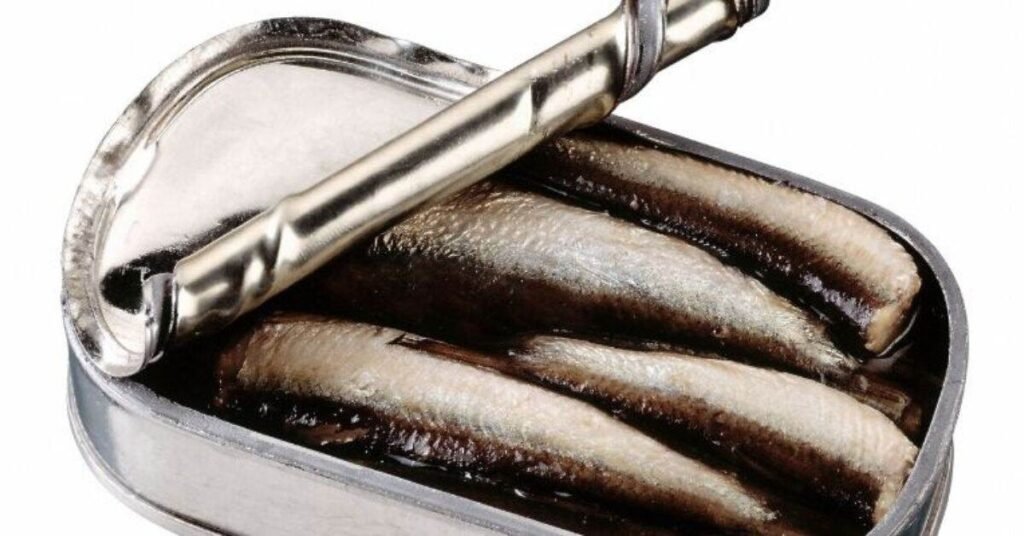
The right amount of sardines depends on your dog’s size. Sardines should be a treat, not a full meal. Too many can cause stomach upset. They are rich and high in fat. Small dogs need much less than large dogs. Always start with a small portion first.
You can follow these simple guidelines:
- Small dogs: half a sardine, once or twice a week
- Medium dogs: one sardine, once or twice a week
- Large dogs: one to two sardines, once or twice a week
- Puppies: ask your vet before feeding
- Always choose sardines in water with no added salt
Portion Guide for Small, Medium, and Large Dogs
The right serving of sardines depends on your dog’s body size. For example, very small dogs only need a tiny piece. Meanwhile, small and medium dogs can eat a little more. In comparison, large dogs can have a slightly bigger portion. However, sardines are rich and filling, so they should only be offered as an occasional treat. Therefore, they should not replace your dog’s regular meals.
In general, offer sardines no more than two times per week. First, begin with a small bite and observe your dog. If too much is given, it may lead to loose stool or vomiting. Also, always select sardines packed in plain water. Before serving, remove the extra liquid. Finally, if your dog has any medical concerns, it is best to check with your vet about the proper amount.
| Dog Size | Weight Guide | Serving Suggestion | How Often | Feeding Reminder |
| Tiny | Under 5 kg | A few crumbled pieces | Once weekly | Mix into normal food |
| Small | 5–10 kg | Around ¼–½ fish | 1–2 times weekly | Start with the lower amount |
| Medium | 10–25 kg | About ½–1 fish | 1–2 times weekly | Monitor digestion |
| Large | 25–40 kg | 1 whole fish | 1–2 times weekly | Do not exceed portion |
| Very Large | Over 40 kg | 1–2 whole fish | 1–2 times weekly | Adjust to activity level |
How Often Can Dogs Eat Sardines?
Sardines should be given in moderation. In general, most dogs can enjoy them one or two times per week. However, they are not meant for daily feeding. Because these fish are rich and calorie-dense, feeding them too often may lead to weight gain or stomach trouble. Therefore, keep the portions small and well controlled.
Afterward, observe your dog closely after offering sardines. If digestion remains normal, you can continue feeding them on a weekly basis. At the same time, always choose sardines packed in plain water. In addition, avoid options with added salt, oil, or spices. Finally, balance treats with regular meals to help keep your dog healthy and active.
How to Safely Prepare Sardines for Your Dog

Preparing sardines safely is very important. Always choose sardines packed in plain water. Avoid sardines with added salt, oil, or sauces. Fresh or frozen sardines can also be used, but make sure they are clean. Remove any large bones to prevent choking.
Follow these tips to serve sardines safely:
- Drain water or oil before feeding
- Cut sardines into small pieces for small dogs
- Feed in moderation as a treat, not a meal
- Start with a small portion to check for reactions
- Keep any leftover sardines in an airtight container and use within 24 hours
When Should You Avoid Feeding Sardines to Your Dog?
There are times when sardines are not safe for dogs. Dogs with certain health problems should avoid them. Too much fat or oil can worsen pancreatitis. Dogs with kidney or heart issues may be sensitive to salt, even in small amounts. Puppies and very old dogs may also need extra caution.
You should skip sardines in these situations:
- Dogs with digestive problems or sensitive stomachs
- Dogs with pancreatitis or high-fat intolerance
- Dogs with kidney or heart conditions
- Sardines that are smoked, salted, or flavored
- Dogs showing allergies or food sensitivities
Can dogs eat sardines every day?
Dogs should not eat sardines every day. Although sardines are healthy, they are also rich in fat and calories. As a result, feeding too many can cause stomach upset or weight gain. In addition, daily feeding may overload certain nutrients. Therefore, sardines are best given as an occasional treat rather than a regular meal.
Instead, giving sardines once or twice a week in moderation is usually enough. At the same time, always choose plain sardines packed in water. Also, avoid sardines with added salt, oil, or spices. After feeding, watch your dog for any signs of digestive problems. If your dog has health issues, it is best to ask your vet before offering sardines.
Conclusion
Sardines can be a healthy treat for dogs. In fact, they are rich in protein, omega-3 fatty acids, and important vitamins. Because of these nutrients, sardines can help support healthy skin, a shiny coat, strong joints, and overall well-being. When served properly, they can also be a tasty and nutritious snack for many dogs.
However, it is important to feed sardines safely. For example, always choose plain sardines packed in water. At the same time, avoid sardines with added salt, oil, or spices. If you have a small dog, cut the fish into small pieces. Most importantly, serve sardines in moderation based on your dog’s size and health.
On the other hand, not every dog should eat sardines. For instance, dogs with health issues such as pancreatitis, kidney disease, or heart problems may need to avoid them. Similarly, puppies and very old dogs require extra care. Therefore, watch your dog closely when offering sardines for the first time.
Overall, sardines can be a good addition to a dog’s diet. Still, they should be given occasionally rather than every day. When prepared correctly, they are both safe and nutritious. If you are unsure, it is always best to check with your vet to keep your dog healthy and happy.
FAQs
1. Can all dogs eat sardines?
Most dogs can safely eat sardines. However, dogs with health issues like pancreatitis, kidney, or heart problems should avoid them. Puppies and very old dogs need extra caution. Always introduce sardines slowly and watch for reactions.
2. Should sardines be canned or raw for dogs?
Plain canned sardines in water are the safest choice. Raw sardines can be fed if they are fresh and properly cleaned. Avoid sardines in oil, flavored, or salted options as they can upset your dog’s stomach.
3. How often can I feed my dog sardines?
Sardines should be given once or twice a week. They are a rich treat and should not replace regular dog food. Feeding them daily can cause digestive issues or weight gain.
4. How many sardines can a dog eat at a time?
The portion depends on your dog’s size. Small dogs may only need a few bites, medium dogs can have half to one sardine, and large dogs can have one or two. Always start with a small portion and monitor your dog’s reaction.
5. Are there any risks of feeding sardines to dogs?
Yes, too many sardines or the wrong type can cause stomach upset, diarrhea, or weight gain. Sardines with added salt, oil, or spices are harmful. Dogs with allergies, digestive problems, or certain health conditions should avoid them.
