


Introduction
Chickpeas, also called garbanzo beans, are a popular legume used in many human foods. They are rich in fiber, protein, and important nutrients. Because they are healthy for people, many dog owners wonder if chickpeas are also safe for dogs to eat.
But just because something is healthy for humans doesn’t mean it’s always good for dogs. Some foods can cause stomach problems, allergies, or other health issues in dogs if fed the wrong way. That’s why it’s important to know the facts before sharing chickpeas with your dog.
In this guide, we’ll explain whether dogs can eat chickpeas safely, the benefits and risks, and how to feed them the right way. This will help you make a smart and safe choice for your dog’s diet.
Are Chickpeas Safe for Dogs to Eat?
Yes, chickpeas are generally safe for dogs when they are cooked and served plain. They are not toxic to dogs and can be a healthy treat in small amounts. Chickpeas contain fiber and nutrients that can support digestion when fed properly.
However, chickpeas should never be given raw or heavily seasoned. Too many chickpeas can cause gas, bloating, or stomach upset in dogs. Always feed them in moderation and watch for any signs of discomfort after eating.
Health Benefits of Chickpeas for Dogs
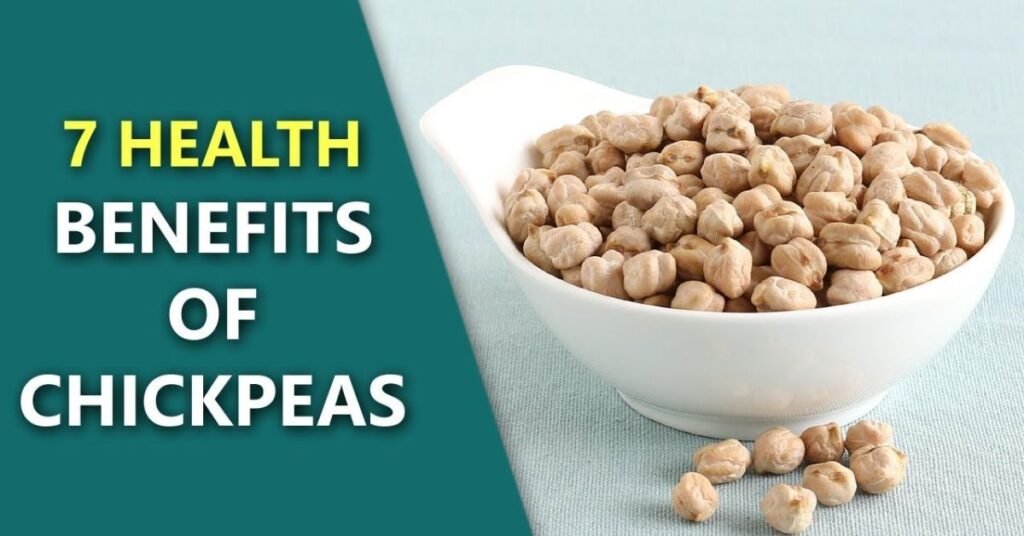
Chickpeas contain several nutrients that can support your dog’s overall health. When fed in small amounts, they can be a healthy addition to your dog’s diet. They are especially useful as an occasional plant-based treat.
Some key Healthl benefits of chickpeas for dogs include:
- Fiber, which helps support healthy digestion
- Plant-based protein, which supports muscles and energy
- Vitamins like B6, which help with brain and nerve function
- Minerals such as iron and magnesium, which support overall body health
Vitamins, Fiber, and Plant-Based Protein Explained
Chickpeas are packed with helpful nutrients that can support your dog’s body when fed in moderation. They provide vitamins and minerals that help with energy, digestion, and overall wellness. These nutrients work together to support your dog’s daily health needs.
Fiber in chickpeas helps keep digestion regular and supports gut health. Plant-based protein helps maintain muscles, but it should never replace meat protein in a dog’s diet. Chickpeas are best used as a small supplement, not a main meal.
| Nutrient | What It Does | How It Helps Dogs |
| Fiber | Supports digestion | Helps prevent constipation and improves gut health |
| Vitamin B6 | Supports brain and nerve health | Helps with energy metabolism and brain function |
| Folate (Vitamin B9) | Helps cell growth | Supports red blood cell production |
| Iron | Supports oxygen flow | Helps prevent weakness and fatigue |
| Magnesium | Supports muscles and nerves | Helps with muscle function and bone health |
| Potassium | Supports heart health | Helps maintain healthy muscles and hydration |
| Plant-Based Protein | Supports muscle maintenance | Helps with tissue repair (not a meat replacement) |
Potential Risks of Feeding Chickpeas to Dogs
Chickpeas can be safe, but they are not perfect for every dog. Their high fiber content can be hard to digest, especially if your dog eats too much at once. This may cause gas, stomach pain, or loose stools.
Some dogs may also be sensitive to legumes like chickpeas. Reactions can appear slowly and may be easy to miss at first. Always introduce chickpeas in small amounts and avoid feeding them often.
Possible risks to keep in mind include:
- Digestive discomfort, such as bloating or diarrhea
- Food sensitivities, including itching or skin irritation
- Excess calories, which can lead to weight gain
- Diet imbalance, if chickpeas replace meat-based foods
Digestive Problems, Allergies, and Heart Health Concerns
Chickpeas can be difficult for some dogs to digest. They are high in fiber and complex carbs, which may cause gas or bloating. Dogs with sensitive stomachs may also experience diarrhea or vomiting after eating chickpeas.
Allergic reactions are less common but still possible. Some dogs may also have issues if chickpeas are fed too often as part of a grain-free diet. This can affect heart health in certain dogs. Always feed chickpeas in moderation and as an occasional treat.
| Concern Type | Possible Signs | Why It Happens | What to Do |
| Digestive Upset | Gas, bloating | High fiber content | Reduce portion size |
| Diarrhea | Loose stools | Poor digestion | Stop feeding temporarily |
| Vomiting | Throwing up | Stomach irritation | Consult a vet |
| Food Allergy | Itching, redness | Immune reaction | Avoid chickpeas |
| Ear Infections | Head shaking | Food sensitivity | Switch diet |
| Heart Health Risk | Low energy | Imbalanced diet | Use balanced dog food |
| Weight Gain | Extra fat | Too many calories | Feed in moderation |
Can Chickpeas Cause Allergies or Sensitivities in Dogs?
Yes, chickpeas can cause allergies or sensitivities in some dogs. It is not very common, but it can happen. Some dogs may react after eating chickpeas for the first time. Others may develop a problem over time. Every dog is different. That is why it is important to watch your dog closely after adding any new food.
Signs of a chickpea allergy or sensitivity can include itching, red skin, ear infections, or upset stomach. Some dogs may have gas, diarrhea, or vomiting. In rare cases, a serious allergic reaction can happen. If you notice swelling, trouble breathing, or extreme weakness, contact a vet right away. Always introduce chickpeas slowly and in small amounts.
| Symptom Category | Possible Signs | How Serious It Can Be | What You Should Do |
| Skin Problems | Itching, redness, rashes | Mild to Moderate | Stop feeding chickpeas and monitor |
| Ear Issues | Frequent ear infections, head shaking | Mild to Moderate | Check ears and consult vet if it continues |
| Digestive Problems | Gas, bloating | Mild | Reduce portion size or stop feeding |
| Stomach Upset | Vomiting, diarrhea | Mild to Moderate | Offer water and bland food; call vet if severe |
| Paw Licking | Excessive licking or chewing paws | Mild | Watch for ongoing irritation |
| Face Swelling | Swelling around eyes or mouth | Serious | Seek veterinary help immediately |
| Breathing Trouble | Difficulty breathing, wheezing | Emergency | Go to vet or emergency clinic right away |
| Low Energy | Weakness, unusual tiredness | Moderate to Serious | Contact your vet for advice |
What Forms of Chickpeas Can Dogs Eat Safely?
Dogs can eat chickpeas, but only in safe forms. Cooked plain chickpeas are the best option. They are soft, easy to digest, and healthy when given in small amounts. Avoid raw or canned chickpeas with added salt, spices, or sauces.
Here are safe forms of chickpeas for dogs:
- Cooked chickpeas – boiled or steamed without seasoning
- Mashed chickpeas – easier to digest for small dogs
- Chickpea flour – in small amounts, baked into dog treats
- Chickpea-based broths – plain and unsalted
Cooked vs Canned vs Raw Chickpeas
Not all chickpeas are safe for dogs. Cooked chickpeas are the safest because they are soft and easy to digest. They can be added to meals or served as a small treat. Canned chickpeas may contain salt or preservatives, which can harm dogs if eaten in large amounts. Raw chickpeas are hard and difficult to digest, so they should never be fed to dogs.
Here’s a simple comparison for dogs:
| Type of Chickpea | Safety for Dogs | Pros | Cons | How to Serve |
| Cooked | Safe | Easy to digest, soft, nutritious | Must be plain, no seasoning | Boiled or steamed, plain |
| Canned | Use with caution | Convenient, soft | High salt, preservatives | Rinse well, small amounts only |
| Raw | Not safe | None | Hard, can cause digestive issues | Do not feed |
| Hummus | Not safe | None | Contains garlic, salt, lemon | Avoid completely |
| Chickpea Flour | Safe in small amounts | Can be baked into treats | Too much can upset stomach | Use in dog-friendly recipes |
Can Dogs Eat Hummus or Chickpea Flour?
Hummus is not safe for dogs. It often contains ingredients such as garlic, onion, or extra salt that can be harmful. Feeding hummus to your dog may cause stomach upset or other health problems.
Chickpea flour can be okay in small amounts. It is sometimes used in homemade dog treats. Make sure it does not have added sugar, chocolate, or spices. Give it gradually and observe your dog for any reactions.
How Many Chickpeas Can a Dog Eat?
The amount of chickpeas a dog can eat depends on their size and diet. Small dogs need only a few chickpeas, while larger dogs can have a little more. Chickpeas should always be fed in moderation to avoid stomach upset.
Here are some general guidelines:
- Small dogs (under 20 lbs): 2–3 cooked chickpeas per day
- Medium dogs (20–50 lbs): 4–6 cooked chickpeas per day
- Large dogs (over 50 lbs): 7–10 cooked chickpeas per day
- Always start with a small portion and watch for any digestive issues
- Do not feed raw or seasoned chickpeas
Safe Serving Size Based on Dog Size and Weight
The right serving size of chickpeas depends on your dog’s weight. Giving too much at once can cause stomach upset or diarrhea. It is best to start with a small amount and increase slowly if your dog tolerates it well.
Here is a guide for safe serving sizes:
| Dog Size | Weight Range | Recommended Chickpeas per Day | Notes |
| Small | Under 20 lbs | 2–3 chickpeas | Feed in small portions, monitor digestion |
| Medium | 20–50 lbs | 4–6 chickpeas | Can be mixed with meals or given as treats |
| Large | 50–80 lbs | 7–10 chickpeas | Avoid giving too many at once |
| Extra Large | Over 80 lbs | 10–12 chickpeas | Spread across the day, not all at once |
How to Prepare Chickpeas for Dogs Safely
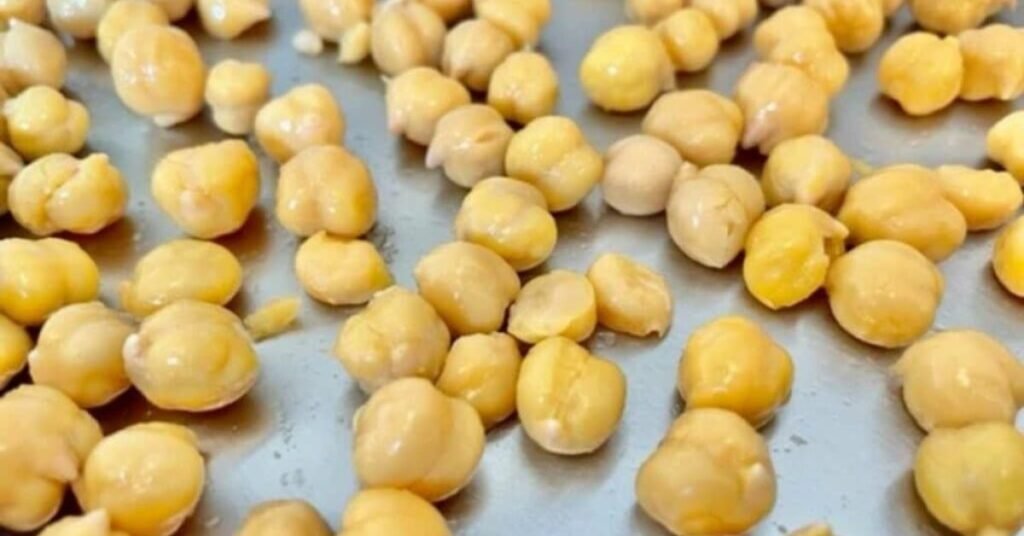
Chickpeas should always be cooked before giving them to dogs. Boiling or steaming is the best way to make them soft and easy to digest. Avoid adding salt, spices, oils, or sauces, as these can harm your dog.
After cooking, let the chickpeas cool completely. You can mash them or serve them whole, depending on your dog’s size. Start with a small amount and gradually increase if your dog tolerates them well. This helps prevent stomach upset and keeps your dog safe.
Cooking Methods, Seasoning Rules, and Feeding Tips
There are safe ways to cook chickpeas for dogs. Boiling or steaming them until soft is the best method. Avoid frying or roasting with oils, spices, or salt, as these can upset your dog’s stomach.
Here are some tips for serving chickpeas safely:
| Step | What to Do | Why It Matters |
| Cooking | Boil or steam until soft | Makes chickpeas easy to digest |
| Cooling | Let chickpeas cool completely | Prevents burns and discomfort |
| Seasoning | Do not add salt, spices, or oils | Keeps chickpeas safe for dogs |
| Portion | Feed in small amounts | Avoids stomach upset |
| Frequency | Give as a treat, not main meal | Prevents overfeeding and weight gain |
| Preparation | Mash for small dogs | Makes swallowing easier |
| Observation | Watch for reactions | Detect allergies or digestive issues early |
When Should Dogs Avoid Chickpeas Completely?
Some dogs should not eat chickpeas at all. Dogs with sensitive stomachs, digestive issues, or known food allergies may have problems. Chickpeas can make symptoms worse in these dogs, so it’s best to avoid them completely.
Dogs should avoid chickpeas in these situations:
- Dogs with stomach problems like diarrhea or vomiting
- Dogs with legume allergies or sensitivities
- Dogs on special diets recommended by a vet
- Puppies or very small dogs who cannot digest legumes well
- Dogs who have heart issues and are on grain-free diets high in chickpeas
Conclusion
Chickpeas can be a healthy treat for many dogs. They are rich in protein, fiber, and nutrients that can support digestion and overall wellness. When given in small amounts, they can be a nice addition to your dog’s meals or snacks.
It is important to feed chickpeas the right way. Always cook them plain and avoid adding salt, spices, or oils. Raw or seasoned chickpeas can cause stomach upset. Start with a small amount and watch how your dog reacts.
Some dogs may not tolerate chickpeas well. Dogs with allergies, sensitive stomachs, or certain health issues should avoid them. Look for signs like vomiting, diarrhea, or itching after feeding chickpeas.
Overall, chickpeas can be a safe and healthy treat when given correctly. Feed them in moderation and as part of a balanced diet. This way, your dog can enjoy the benefits without any problems.
FAQs
1. Can dogs eat raw chickpeas?
No, dogs should not eat raw chickpeas. Raw chickpeas are hard and difficult to digest. Feeding them raw can cause stomach upset, bloating, or gas. Always cook chickpeas before giving them to your dog.
2. Are chickpeas good for dogs?
Yes, chickpeas can be healthy for dogs in small amounts. They provide fiber, protein, and vitamins that support digestion and overall health. However, they should only be a treat, not a main part of the diet.
3. Can dogs eat hummus?
No, hummus is not safe for dogs. It usually contains garlic, onions, salt, and spices, which can harm dogs. Even a small amount can cause stomach problems or other health issues.
4. How many chickpeas can I feed my dog?
The amount depends on your dog’s size. Small dogs can have 2–3 chickpeas per day, medium dogs 4–6, and large dogs 7–10. Always feed in moderation and start with a small portion.
5. Can chickpeas cause allergies in dogs?
Yes, some dogs may be sensitive or allergic to chickpeas. Signs include itching, skin rashes, vomiting, or diarrhea. If your dog shows these symptoms, stop feeding chickpeas and consult a veterinarian.

DogsVibes Editorial Team creates trusted, research-based dog care content to help pet owners keep their dogs healthy, happy, and safe.