

Introduction
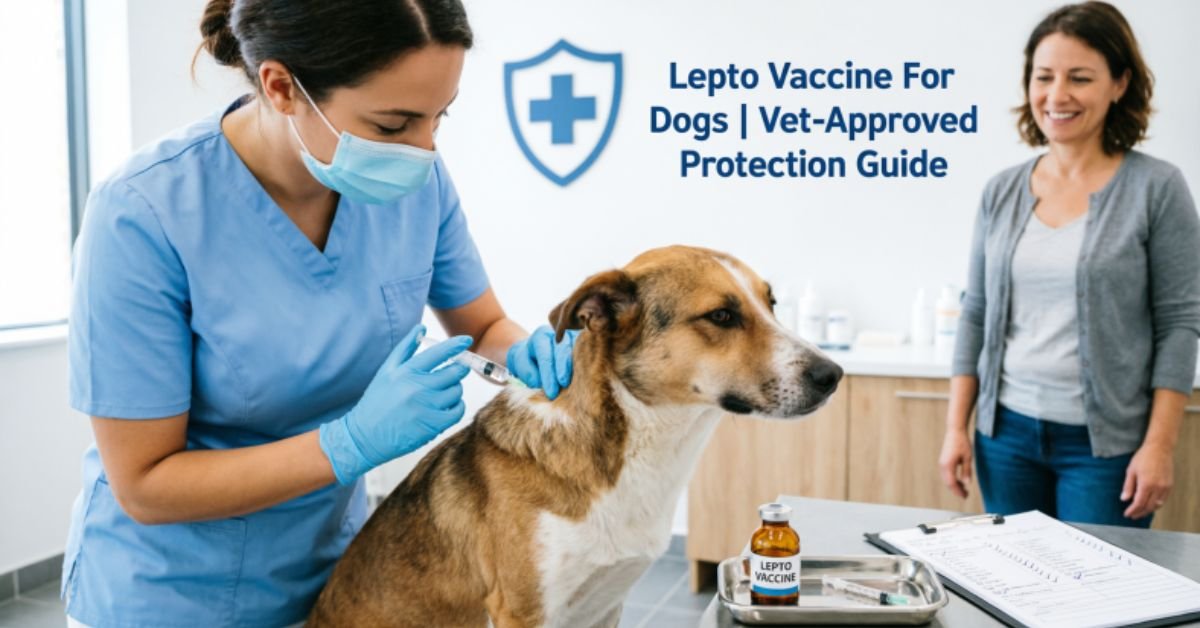
Lepto Vaccine For Dogs is a vaccination that helps protect dogs from leptospirosis. Leptospirosis is a serious bacterial disease that spreads through contaminated water, soil, and animal urine. This vaccine helps the dog’s immune system recognize and fight the infection before it causes severe health problems.
Many dog owners believe their pets are safe if they live indoors, but that is not always true. Dogs can be exposed during daily walks, at dog parks, or through contact with wildlife. Because leptospirosis can lead to kidney failure, liver damage, and can also spread to humans, prevention is very important.
Lepto Vaccine For Dogs is commonly recommended by veterinarians, especially in high-risk areas. The vaccine schedule depends on your dog’s age, lifestyle, and exposure risk. Learning about this vaccine helps dog owners make informed decisions about their pet’s health.
What Is Lepto Vaccine for Dogs?
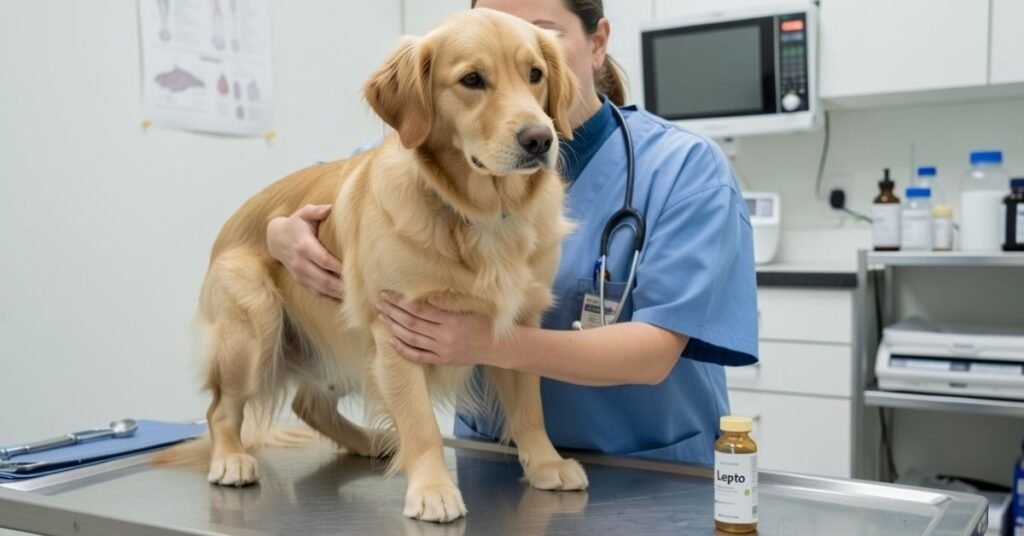
The lepto vaccine for dogs is a vaccine that protects dogs from leptospirosis. Leptospirosis is a bacterial infection found in water, soil, and the urine of infected animals. When dogs come in contact with these sources, they can get sick. The vaccine helps the immune system recognize the bacteria and fight it quickly.
This vaccine does not treat the disease, but it helps prevent it. Veterinarians often recommend the lepto vaccine for dogs that spend time outdoors or live in areas where leptospirosis is common. It is usually given as part of a regular vaccination plan to keep dogs healthy and safe.
What Is Leptospirosis in Dogs?
Leptospirosis in dogs is a serious bacterial disease. It is caused by bacteria found in contaminated water, wet soil, and animal urine. Dogs can get infected when the bacteria enter through the mouth, nose, or small cuts in the skin. The disease can spread quickly inside the body.
This infection mainly affects the kidneys and liver. Some dogs may show symptoms like fever, vomiting, tiredness, or loss of appetite. In severe cases, leptospirosis can be life-threatening and can also spread to humans. Early treatment and prevention are very important.
How Leptospirosis Bacteria Affect Dogs Bodies
Leptospirosis bacteria enter a dog’s body through the mouth, nose, or broken skin. Once inside, the bacteria move into the bloodstream and spread quickly. They attack important organs and weaken the dog’s immune system. This can make the dog very sick in a short time.
The bacteria mainly damage vital organs, which can lead to serious health problems, such as:
- Kidney damage or kidney failure
- Liver infection and jaundice
- Fever, pain, and weakness
- Bleeding or breathing problems in severe cases
How Do Dogs Get Leptospirosis?
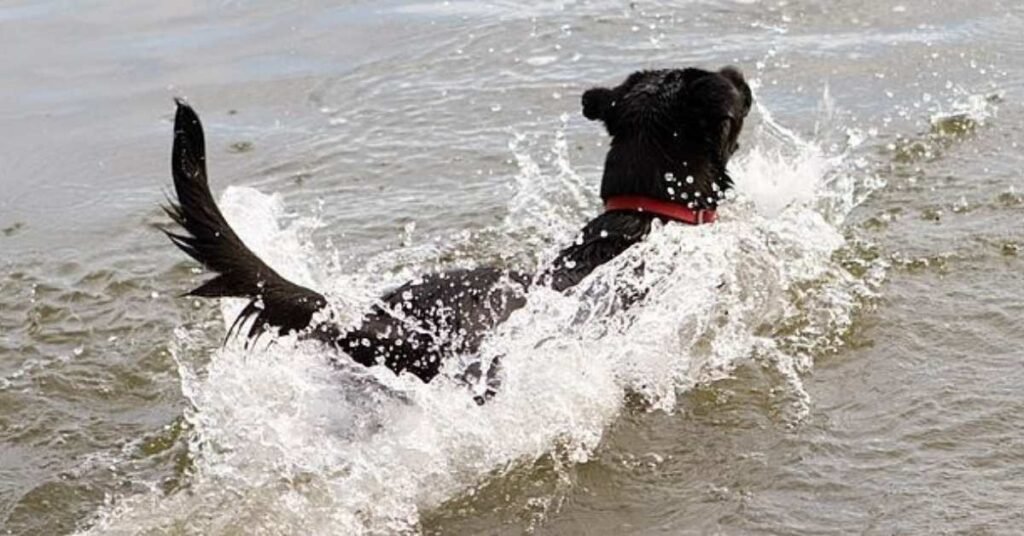
Dogs get leptospirosis when they come into contact with bacteria in the environment. The bacteria live in water, moist soil, and the urine of infected animals. Dogs can be exposed during daily activities, even in common places.
Some common ways dogs may get leptospirosis include:
- Drinking or playing in puddles, lakes, or streams
- Sniffing or licking areas contaminated with animal urine
- Contact with wildlife such as rats, raccoons, or skunks
- Bacteria entering through cuts or wounds on the skin
Why Is Leptospirosis Dangerous for Dogs?
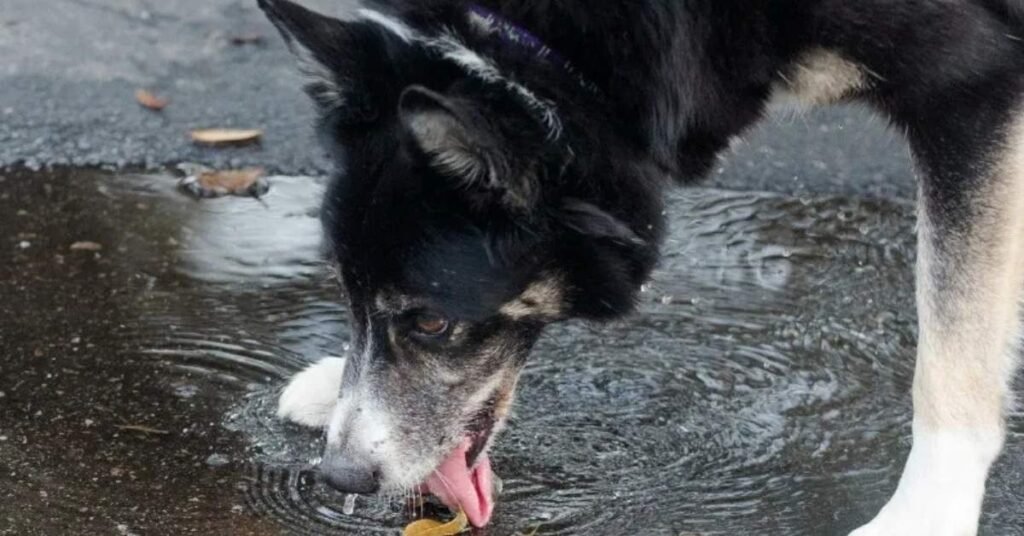
Leptospirosis is dangerous for dogs because it spreads fast inside the body. The bacteria attack vital organs and can cause serious illness within days. Some dogs may look fine at first but become very sick quickly.
This disease can lead to severe and life-threatening problems, including:
- Kidney failure
- Liver damage
- Severe dehydration
- Internal bleeding
- Risk of spreading the infection to humans
How the Lepto Vaccine for Dogs Works
The lepto vaccine for dogs works by training the immune system to recognize harmful bacteria. It contains inactive parts of the leptospirosis bacteria, which do not cause disease. When the vaccine is given, the dog’s body learns how to fight the infection before real exposure happens.
If a vaccinated dog later comes into contact with leptospirosis bacteria, the immune system responds faster. This helps reduce the risk of severe illness and organ damage. The vaccine does not guarantee full protection, but it greatly lowers the chance of serious disease.
| Aspect | How the Lepto Vaccine Helps |
| Purpose | Prevents leptospirosis infection |
| How it works | Trains the immune system to recognize bacteria |
| Type of bacteria | Inactive leptospira bacteria |
| Immune response | Builds antibodies against infection |
| Speed of protection | Faster response during real exposure |
| Disease severity | Reduces risk of severe illness |
| Organ protection | Helps protect kidneys and liver |
| Use in dogs | Recommended based on lifestyle and risk |
| Treatment role | Preventive, not a cure |
| Veterinary guidance | Given as part of a vaccination plan |
Which Leptospira Strains Does the Lepto Vaccine Protect Against?
The lepto vaccine protects dogs against the most common leptospira strains that cause illness. These strains are types of bacteria found in the environment and carried by wildlife and rodents. Different strains are common in different areas, which is why the vaccine focuses on the most risky ones.
Most modern lepto vaccines protect against four major strains. These strains are known to cause serious disease in dogs in many regions. While the vaccine may not cover every strain, it greatly reduces the risk of severe infection and complications.
Is the Lepto Vaccine for Dogs Necessary?
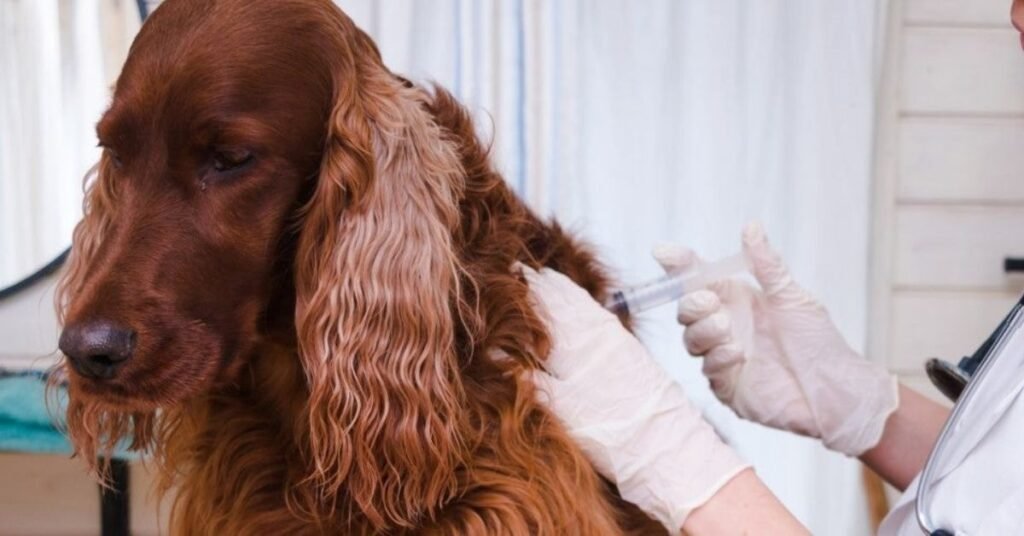
In the United States, the lepto vaccine for dogs is often recommended by veterinarians. Leptospirosis is found in many states and can affect both urban and rural areas. Dogs do not need to live on farms to be at risk. Even city dogs can be exposed during walks or park visits.
The vaccine is usually advised for dogs with certain risk factors, such as:
- Spending time outdoors or near water
- Living in areas with wildlife or rodents
- Visiting dog parks or boarding facilities
- Walking in rainy or flood-prone areas
Lepto Vaccine Schedule for Puppies
Puppies usually get the lepto vaccine once their immune system is strong enough to respond. The vaccine is given in two doses to help build proper protection. The first dose introduces the bacteria to the immune system, and the second dose strengthens the response. This early protection is important because puppies are more sensitive to infections.
The timing of the vaccine may change depending on where the puppy lives and its daily activities. Regular booster shots are needed to keep the protection active. Missing a dose can lower the vaccine’s effectiveness, so following the vet’s schedule is important.
| Puppy Age | Vaccine Stage | Reason |
| Under 8 weeks | No lepto vaccine | Immune system not ready |
| 8–10 weeks | Risk evaluation | Vet checks exposure level |
| 10–12 weeks | First vaccine dose | Begins immune protection |
| 14–16 weeks | Second vaccine dose | Strengthens immunity |
| 6–12 months | Booster shot | Maintains protection |
| Every year | Annual booster | Long-term safety |
| High-risk areas | Adjusted timing | More exposure to bacteria |
| Outdoor puppies | Earlier protection | Higher infection risk |
| Vet visits | Ongoing review | Ensures correct schedule |
| Missed dose | Catch-up plan | Restores protection |
Lepto Vaccine Schedule for Adult Dogs
Adult dogs also need the lepto vaccine to stay protected from infection. If a dog has never received this vaccine before, it usually needs two doses. These doses are given a few weeks apart to help the immune system build strong protection.
Dogs that are already vaccinated still need regular booster shots. The booster helps keep immunity active each year. The exact schedule depends on the dog’s lifestyle and risk level.
| Dog Status | Vaccine Step | Purpose |
| Never vaccinated | First dose | Starts immune response |
| 3–4 weeks later | Second dose | Builds full protection |
| Previously vaccinated | Annual booster | Maintains immunity |
| Outdoor dogs | Yearly booster | Higher exposure risk |
| Indoor dogs | Vet-based decision | Risk may be lower |
| High-risk areas | Strict schedule | Common bacteria presence |
| Low-risk areas | Flexible timing | Based on vet advice |
| Boarding dogs | Up-to-date vaccine | Reduces spread risk |
| Travel with dogs | Booster before travel | Extra protection |
| Vet checkups | Schedule review | Ensures continued safety |
Lepto Vaccine for Dogs Side Effects and Safety Concerns
Most dogs handle the lepto vaccine without serious problems. In most cases, mild side effects can happen and usually go away within a day or two. For example, a dog may feel a little tired or have slight swelling at the injection site. However, these reactions are normal and show that the immune system is responding to the vaccine.
In rare cases, some dogs may have stronger reactions. This can happen especially in smaller breeds or dogs with a sensitive immune system. Therefore, talking to a veterinarian before vaccination is very important. This way, you can better understand the risks and keep your dog safe and healthy.
| Side Effect Type | Common Symptoms | How Long It Lasts | What to Do |
| Mild reaction | Tiredness | 24–48 hours | Allow rest |
| Mild reaction | Soreness at injection site | 1–2 days | Avoid heavy activity |
| Mild reaction | Low appetite | Short-term | Monitor eating |
| Moderate reaction | Vomiting | Few hours to 1 day | Call vet if ongoing |
| Moderate reaction | Diarrhea | Short-term | Provide fluids |
| Rare reaction | Facial swelling | Immediate | Seek vet care |
| Rare reaction | Hives or itching | Immediate | Emergency visit |
| Severe reaction | Breathing difficulty | Immediate | Emergency care |
| Small breeds | Higher sensitivity | Varies | Vet supervision |
| Vet guidance | Pre-vaccine check | Preventive | Reduces risk |
How Effective Is the Lepto Vaccine for Dogs?
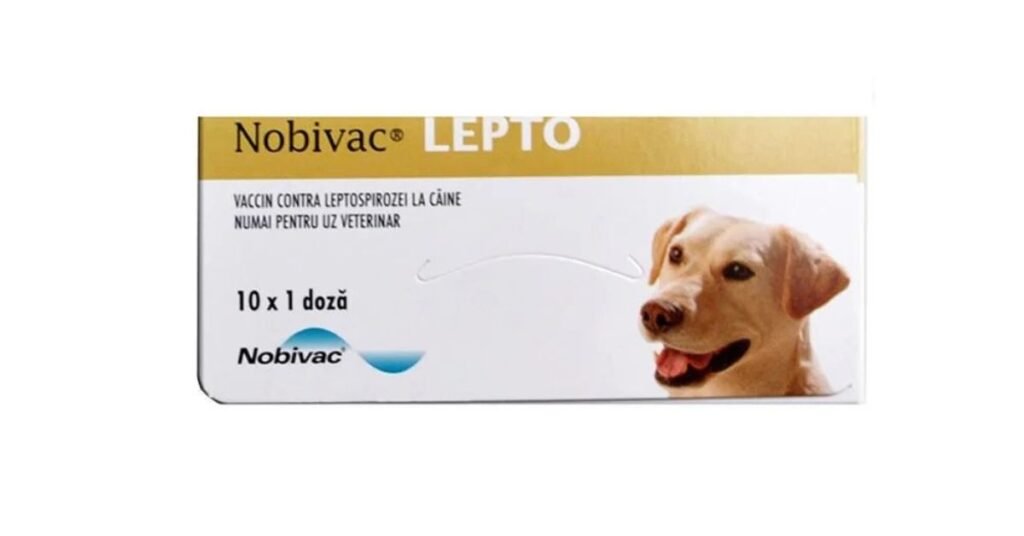
The lepto vaccine for dogs is effective at reducing the risk of serious illness. It helps the immune system respond faster if a dog is exposed to the bacteria. Vaccinated dogs are less likely to develop severe kidney or liver damage.
The vaccine does not give lifetime protection and does not cover every strain. This is why booster shots are important each year. Even with vaccination, no protection is 100 percent, but the vaccine greatly lowers the chances of severe disease and complications.
Can Humans Get Leptospirosis from Dogs?
Yes, humans can get leptospirosis from dogs. The bacteria can spread through contact with infected urine, blood, or contaminated water. This usually happens when the bacteria enter the body through cuts in the skin or the eyes, nose, or mouth.
People are at higher risk in certain situations, such as:
- Cleaning up dog urine without protection
- Touching contaminated water or wet soil
- Handling a sick or infected dog
- Having open cuts or wounds on the skin
Additional Ways to Prevent Leptospirosis in Dogs
Preventing leptospirosis in dogs involves more than just vaccination. Reducing exposure to bacteria in the environment plays a big role. Simple daily habits can help lower the risk of infection.
Here are some additional ways to protect your dog:
- Avoid letting your dog drink from puddles or standing water
- Keep your yard clean and free from rodent activity
- Wash your hands after handling your dog or cleaning waste
- Cover cuts or wounds on your dog’s skin
- Visit the vet regularly for health checkups
Conclusion
Leptospirosis is a serious disease that can affect dogs and even humans. Therefore, the lepto vaccine for dogs is an important tool to help protect against this infection. In addition, it lowers the risk of severe illness and helps keep your dog healthier for a longer time.
However, vaccination works best when combined with other preventive steps. For example, avoiding standing water, keeping your yard clean, and watching your dog’s health can reduce the chance of infection. Likewise, regular vet visits help ensure your dog stays on the correct vaccine schedule.
Fortunately, side effects from the lepto vaccine are usually mild and short-term. In most cases, dogs may only experience slight tiredness or soreness. Nevertheless, serious reactions are rare, but you should still watch your dog after vaccination. If needed, talking to your veterinarian can help you make safe and informed choices for your dog’s health.
Overall, the lepto vaccine is a simple and effective way to protect your dog from this dangerous disease. When combined with good hygiene and preventive care, it can help your dog live a longer, healthier, and happier life.
FAQs
What is the lepto vaccine for dogs?
The lepto vaccine protects dogs from Leptospirosis, a serious bacterial infection. Basically, it helps the immune system recognize and fight the bacteria before illness develops. Therefore, dogs that spend time outdoors or near wildlife are often recommended to receive this vaccine.
How often should my dog get the lepto vaccine?
Puppies usually receive two doses a few weeks apart. After that, adult dogs normally need a booster every year. However, the exact schedule may vary depending on your dog’s age, lifestyle, and exposure risk. So, your veterinarian will guide you on the best timing.
What are the side effects of the lepto vaccine?
Most dogs have only mild reactions. For example, they may experience soreness at the injection site, slight tiredness, or a mild fever. Fortunately, these effects usually disappear quickly. However, severe reactions are rare but may include swelling, hives, or breathing problems. Therefore, always monitor your dog after vaccination.
Can humans get leptospirosis from dogs?
Yes, humans can get leptospirosis from infected dogs. Typically, this happens through contact with urine, blood, or contaminated water. Because of this, proper hygiene is very important. In addition, washing hands and vaccinating dogs helps lower the risk.
Are there other ways to prevent leptospirosis in dogs?
Yes, vaccination is important, but other steps also help prevent infection. For instance, keep dogs away from standing water and places where wildlife may live. Additionally, clean your yard regularly and cover any cuts or wounds. Finally, regular vet checkups help keep your dog healthy and reduce infection risks.

DogsVibes Editorial Team creates trusted, research-based dog care content to help pet owners keep their dogs healthy, happy, and safe.