

Introduction
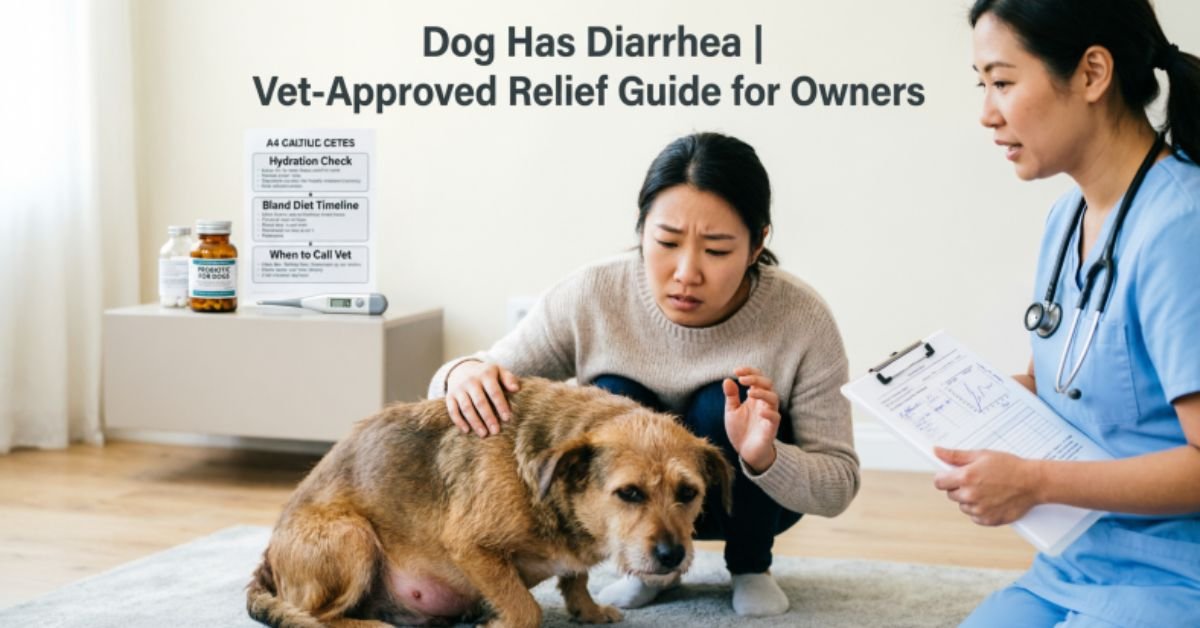
When a dog has diarrhea, it means the stool is loose or watery. It may happen once or many times in a day. This problem shows that your dog’s stomach is upset. Diarrhea can be mild or severe, depending on the cause.
Seeing your dog has diarrhea can be worrying. It often comes with stress for pet owners. You may wonder if it is something serious. Many dogs act normal, but the issue should not be ignored.
A dog has diarrhea for many reasons. Food changes are common causes. Infections, parasites, and stress can also lead to it. Knowing the cause helps you decide what to do next. Early care can help your dog feel better faster.
What Is Diarrhea in Dogs?
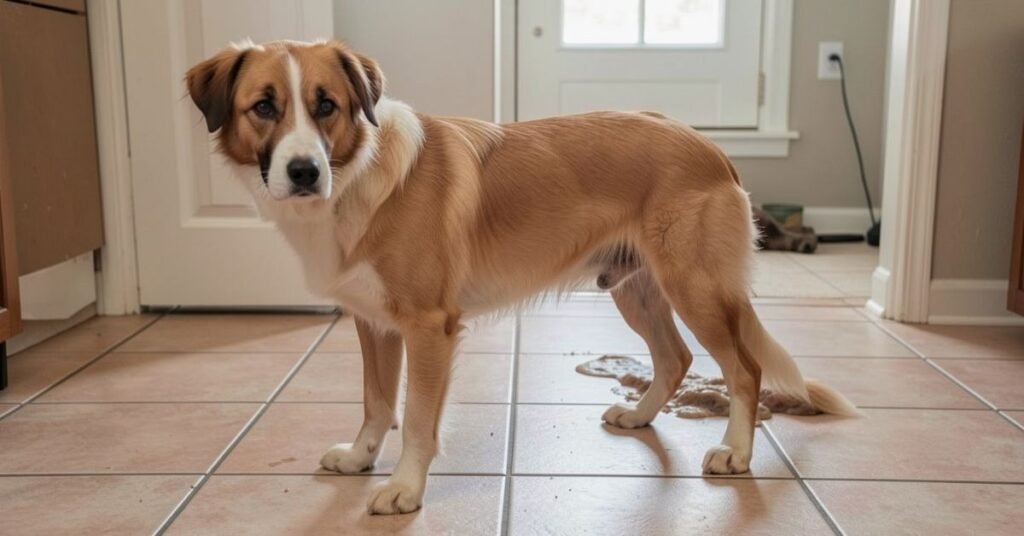
Diarrhea in dogs means their poop is loose or watery. It may look soft, runny, or messy. Dogs may go to the bathroom more often than usual. This happens when the digestive system is not working properly.
A dog with diarrhea may also have stomach discomfort. Some dogs feel tired or lose their appetite. Mild diarrhea can pass on its own. But ongoing diarrhea can be a sign of a bigger problem.
Common Types of Dog Diarrhea
Dog diarrhea can look different in each case. Some types are mild and short-term. Others can be serious and need quick care. Knowing the type can help you understand what is going on.
Common types of dog diarrhea include:
- Acute diarrhea, which starts suddenly and lasts a short time.
- Chronic diarrhea, which lasts for weeks or keeps coming back.
- Watery diarrhea, often caused by food issues or infections.
- Bloody diarrhea, which can be a warning sign and needs a vet visit.
Acute Diarrhea vs Chronic Diarrhea vs Watery Diarrhea vs Bloody Diarrhea
Dog diarrhea can be grouped into different types based on time and appearance. Acute diarrhea starts suddenly and lasts a short time. It often happens after eating bad food or a sudden diet change. Chronic diarrhea lasts for weeks or keeps coming back. This type may point to allergies, infections, or long-term health problems.
Watery diarrhea looks very loose and liquid. It can cause dehydration if it continues. Bloody diarrhea is more serious and should never be ignored. Blood in the stool may signal infection, injury, or internal disease. Knowing the difference helps you decide when home care is enough and when a vet visit is needed.
| Type of Diarrhea | How It Looks | How Long It Lasts | Common Causes | When to Worry |
| Acute Diarrhea | Soft or loose stool | 1–2 days | Diet change, stress, spoiled food | If it lasts more than 2 days |
| Chronic Diarrhea | Loose stool again and again | Weeks or longer | Allergies, parasites, illness | Always needs vet advice |
| Watery Diarrhea | Very thin, liquid stool | Short or long term | Infection, food intolerance | Risk of dehydration |
| Bloody Diarrhea | Stool with blood or mucus | Sudden or ongoing | Infection, injury, disease | Immediate vet visit needed |
What Causes Diarrhea in Dogs?
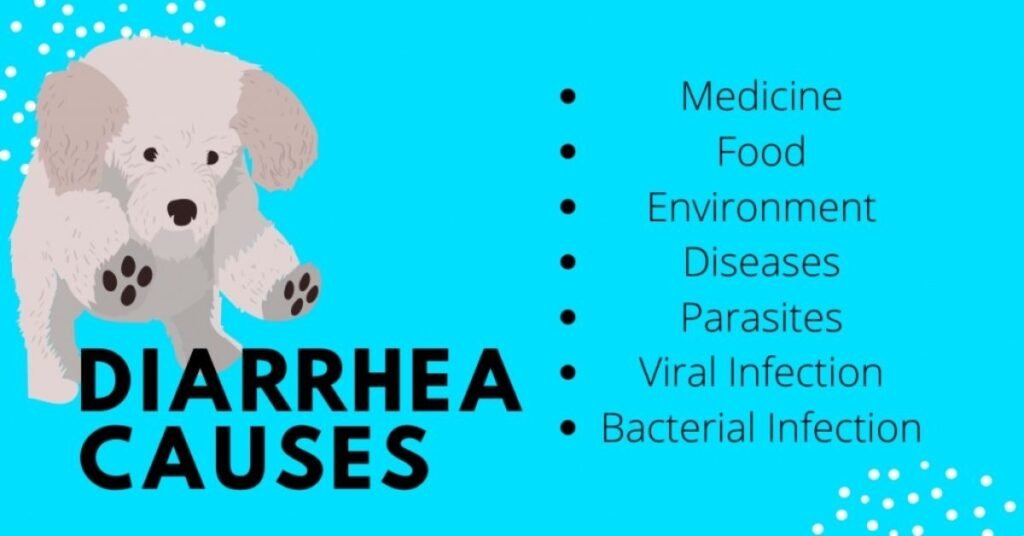
Diarrhea in dogs can happen for many reasons. The most common cause is food. Dogs often eat things they should not. A sudden change in diet can also upset their stomach. Stress and anxiety may play a role too.
Some other common causes include:
- Eating spoiled food or trash
- Food allergies or intolerance
- Bacterial or viral infections
- Intestinal worms or parasites
- Stress from travel or new surroundings
Diet Changes, Infections, Stress, and Parasites
A dog’s stomach is sensitive to sudden changes. New food, extra treats, or human leftovers can quickly cause loose stools. Germs like bacteria and viruses can also disturb digestion. These usually enter the body through unsafe food or contaminated water.
Emotional stress can affect a dog’s gut health. Moving to a new home or meeting new animals may trigger diarrhea. Parasites are another serious cause. They live in the intestines and damage digestion over time. Spotting the source early helps prevent bigger problems.
| Cause | What Happens in the Body | Key Symptoms | How Serious | Helpful Action |
| Food Changes | Digestive balance is disturbed | Soft stool, stomach upset | Mild | Change food slowly |
| Infections | Gut becomes inflamed | Diarrhea, tiredness | Moderate | Vet care may be needed |
| Stress | Gut movement speeds up | Loose poop, restlessness | Mild | Create a calm space |
| Parasites | Nutrients are stolen | Weight loss, dull coat | Serious | Deworming treatment |
Symptoms of Dog Diarrhea You Should Not Ignore
When a dog has diarrhea, some signs are more serious than others. Mild loose stool may pass on its own. But certain symptoms can point to a bigger health problem. These signs mean your dog needs extra care.
Watch closely for these warning symptoms:
- Diarrhea lasting more than two days
- Blood or mucus in the stool
- Vomiting along with diarrhea
- Weakness or unusual tiredness
- Loss of appetite or weight loss
When Is Dog Diarrhea an Emergency?
Some cases of dog diarrhea need urgent care. If the stool is very watery and happens many times a day, dehydration can happen quickly. Blood in the stool is never normal and should raise concern. Small puppies and senior dogs can get sick faster.
Emergency signs also include ongoing vomiting and high fever. A dog that seems weak or cannot stand needs help right away. Refusing food and water is another danger sign. When diarrhea does not improve within a short time, a vet visit is the safest step.
When You Should Contact a Veterinarian Immediately
Some signs mean your dog needs medical help right away. Diarrhea with blood is a serious warning. Strong pain or nonstop vomiting should not be ignored. These symptoms can get worse very fast.
Call a vet if your dog seems weak or confused. Loss of appetite for a full day is also concerning. Puppies and older dogs need quicker care. Getting help early can prevent serious problems.
How Long Does Diarrhea Last in Dogs?
In many cases, dog diarrhea lasts one or two days. Mild stomach upset often clears on its own. This is common after eating new food or treats. During this time, your dog may still act normal.
If diarrhea lasts longer than two days, it may be a problem. Ongoing loose stools can mean infection or parasites. Chronic diarrhea may last weeks if untreated. A vet can help find the cause and stop it sooner.
How Veterinarians Diagnose Diarrhea in Dogs
When a dog has diarrhea, a vet starts with basic questions. They ask about food, behavior, and recent changes. This helps narrow down the cause. A physical exam is usually the first step.
The vet may also run simple tests, such as:
- Stool tests to check for worms or parasites
- Blood tests to look for infection or illness
- X-rays or scans if a blockage is suspected
- Diet history to spot food-related issues
How to Treat Diarrhea in Dogs at Home
When diarrhea is mild, simple care at home can help your dog feel better. Letting the stomach settle is important. Clean, fresh water should be offered often. This helps replace lost fluids and prevents weakness.
Helpful home steps may include:
- Serving soft foods like plain rice and boiled chicken
- Skipping snacks and human food for a short time
- Offering smaller portions throughout the day
- Checking stools to see if they are improving
Safe Home Remedies and Bland Diet Guidelines
Simple home remedies can support your dog’s recovery from mild diarrhea. Resting the stomach helps digestion return to normal. Clean water is very important during this time. A bland diet is gentle and easy to digest.
The bland diet should be given for a short period only. Foods must be plain and cooked well. Avoid spices, oils, and seasonings. Slowly return to regular food once stools improve.
| Remedy or Food | Purpose | How to Prepare | How Often to Give | Notes |
| Fresh Water | Prevents dehydration | Clean bowl, refill often | Always available | Add ice cubes if needed |
| Plain White Rice | Easy to digest | Boiled, no salt | Small meals | Helps firm stool |
| Boiled Chicken | Provides protein | Skinless, no seasoning | Mixed with rice | Use small portions |
| Pumpkin (Plain) | Adds fiber | Canned or cooked | 1–2 teaspoons | Avoid pie filling |
| Rest | Supports healing | Limit activity | All day | Helps digestion |
Veterinary Treatment Options for Dog Diarrhea
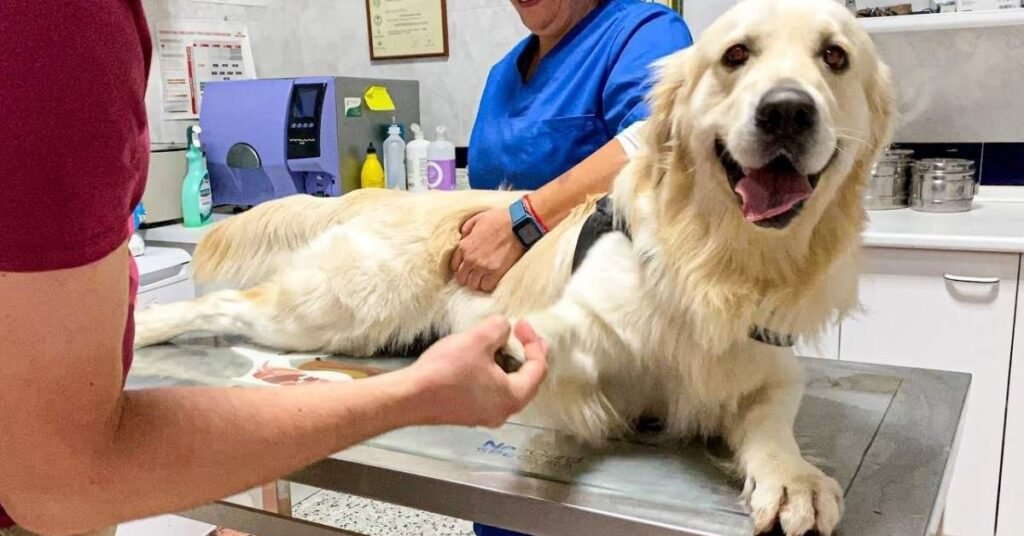
If diarrhea does not improve, a veterinarian may step in with proper care. Treatment is chosen based on test results and symptoms. Some dogs need medicine to settle the stomach. Others require support to regain strength and fluids.
A vet may recommend:
- Drugs that reduce gut irritation
- Treatments to remove worms or parasites
- Medicines to control infection
- Fluid therapy for dehydration
- Special food made for sensitive digestion
Recovery and Care Tips After Dog Diarrhea
After diarrhea stops, your dog still needs gentle care. The stomach may remain sensitive for a few days. Food should be reintroduced slowly. Fresh water must always be available to keep your dog hydrated.
During recovery, watch your dog closely. Energy levels should slowly return. Any return of loose stools is a warning sign. Proper aftercare helps prevent diarrhea from coming back.
| Care Tip | Why It Helps | How to Do It | Duration | Extra Notes |
| Gradual Diet Return | Protects digestion | Mix regular food slowly | 3–5 days | Increase portions step by step |
| Fresh Water | Prevents dehydration | Clean bowl daily | Ongoing | Encourage small sips |
| Small Meals | Reduces stomach stress | Feed 3–4 times daily | Few days | Avoid overfeeding |
| Monitor Stool | Tracks recovery | Check daily | 1 week | Stop if diarrhea returns |
| Light Activity | Supports healing | Short walks only | Few days | Avoid heavy exercise |
How to Prevent Diarrhea in Dogs in the Future
Preventing diarrhea starts with good daily habits. Feed your dog the same food regularly. Change diets slowly over several days. Avoid giving table scraps or spoiled food.
Keep your dog’s living area clean. Make sure fresh water is always available. Regular vet checkups help catch problems early. With proper care, many stomach issues can be avoided.
You can help prevent future diarrhea by:
- Feeding the same quality food each day
- Changing food slowly over 5–7 days
- Avoiding table scraps and spoiled food
- Providing clean, fresh water at all times
- Keeping bowls and living areas clean
- Scheduling regular vet checkups
Conclusion
Dog diarrhea is common, but it should not be ignored. Some cases are mild and pass quickly. Others can be serious and need medical care. Knowing the signs helps you act on time.
Watching your dog closely is very important. Changes in poop, energy, or appetite give useful clues. Early care can stop small problems from getting worse. Your attention can make a big difference.
Home care works for mild cases. Fresh water and simple food often help. But long-lasting or severe diarrhea needs a vet. Getting help early keeps your dog safe.
Prevention is always better than treatment. Good food habits and a clean space matter. Regular vet visits also help. With proper care, your dog can stay happy and healthy.
FAQs
1. Why does my dog suddenly get diarrhea?
Sudden diarrhea often happens after eating new food or trash. Stress can also upset the stomach. Most cases are short and mild. Watch your dog closely for changes.
2. Should I stop feeding my dog during diarrhea?
You do not need to stop food completely. Giving small amounts of bland food helps the stomach rest. Plain rice and boiled chicken are good choices. Always keep water available.
3. How long is it safe to treat dog diarrhea at home?
Mild diarrhea can be treated at home for one to two days. If it does not improve, a vet should be contacted. Ongoing diarrhea can cause dehydration. Early care is important.
4. Is diarrhea dangerous for puppies?
Yes, diarrhea is more risky for puppies. They lose fluids faster than adult dogs. Even mild diarrhea can become serious quickly. A vet visit is often the safest choice.
5. Can stress really cause diarrhea in dogs?
Yes, stress can affect a dog’s digestion. Travel, loud noises, or new pets can trigger loose stools. This type usually improves once the dog feels calm. Comfort and routine help recovery.

DogsVibes Editorial Team creates trusted, research-based dog care content to help pet owners keep their dogs healthy, happy, and safe.