

Introduction
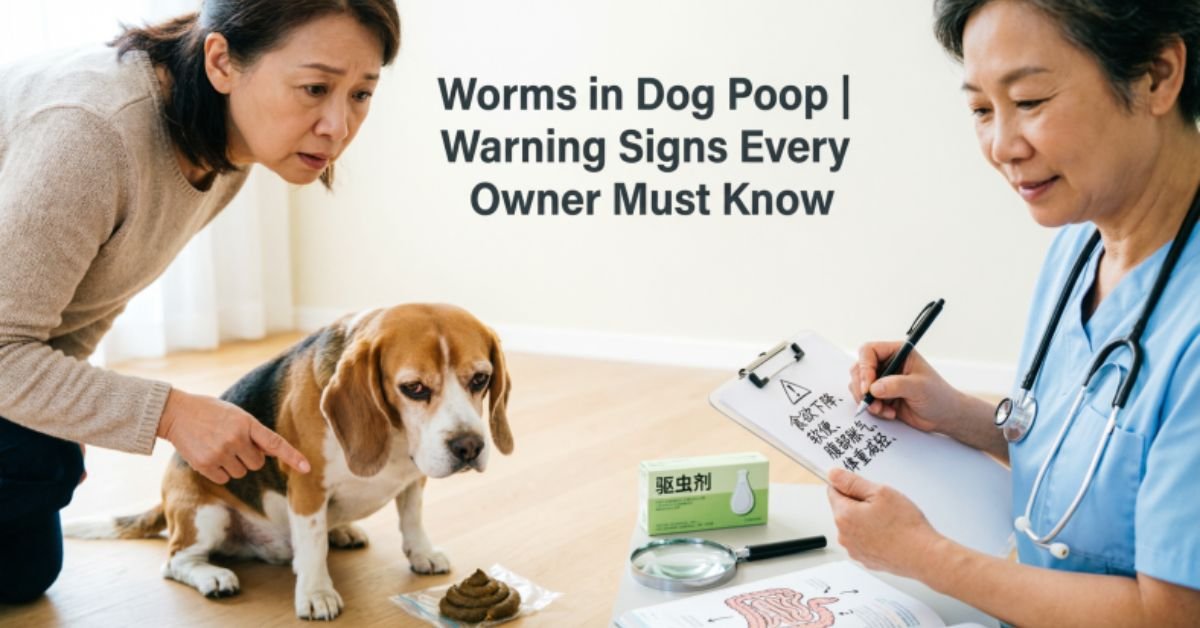
Worms in dog poop means your dog has intestinal parasites. These worms live inside your dog’s body and come out in the stool. They can look like small white threads or rice-shaped pieces. This is a common problem in dogs of all ages.
Seeing worms in dog poop can be scary for any pet owner. Many people panic or feel confused about what to do next. The good news is that this problem is usually easy to treat if caught early. Acting fast helps protect your dog and your family.
Worms in dog poop often come with other signs like weight loss, itching, or stomach issues. Different worms cause different symptoms and need different treatments. Learning the basics can help you spot the problem early and get the right care for your dog.
What Do Worms Look Like in Dog Poop?
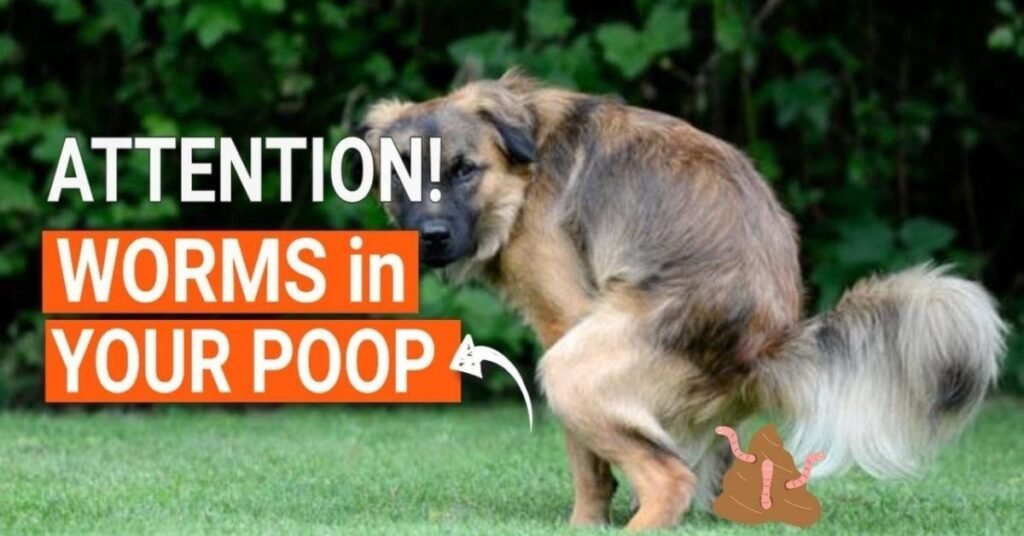
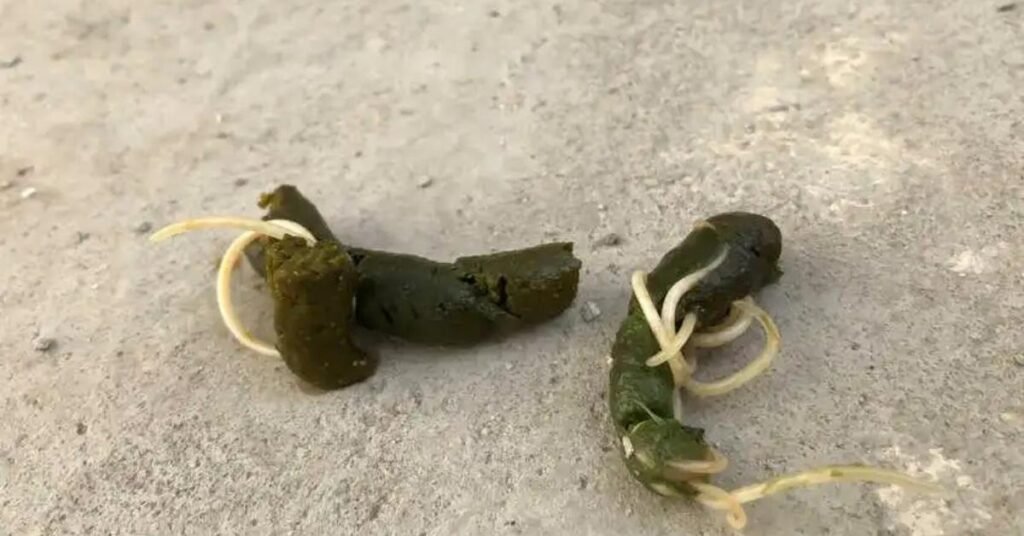
Worms in dog poop can look different depending on the type. Some look like small white threads moving in the stool. Others look like tiny grains of rice stuck to the poop or around your dog’s rear. In some cases, the worms may not move at all.
Sometimes, you may only see pieces of worms instead of whole ones. The poop may look normal except for these small white or cream-colored shapes. Not all worms are easy to spot, so checking your dog’s poop closely is important.
Common Visual Signs of Worms in Dog Stool
Worms in dog stool often appear as small white or light-colored shapes. Some may move, while others stay still. You might see them on fresh poop or near your dog’s bottom. In some cases, they are easier to spot after the poop dries.
Common visual signs include:
- Thin, spaghetti-like worms in the stool
- Small rice-shaped pieces on the poop
- White or cream spots mixed in the stool
- Worms around the anus or in your dog’s bedding
Common Types of Intestinal Worms Found in Dogs
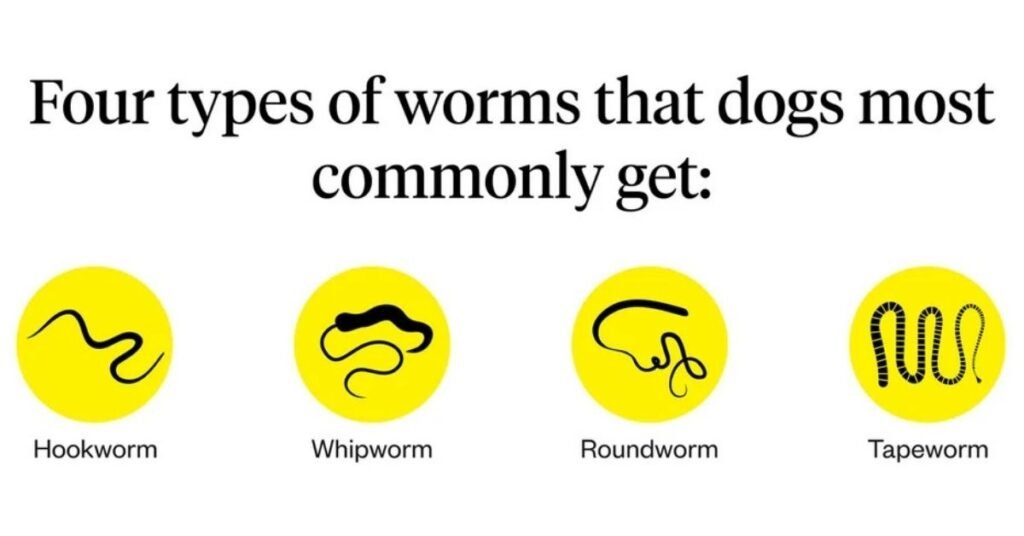
Dogs can get different types of intestinal worms. Each type looks different and affects dogs in different ways. Some worms are easy to see in poop, while others are very small. Knowing the common types helps you understand what your dog may have.
Common intestinal worms in dogs include:
- Roundworms : Long, white worms that look like spaghetti
- Tapeworms : Small, flat pieces that look like rice grains
- Hookworms : Tiny worms that are hard to see but very harmful
- Whipworms :Thin worms shaped like a whip
Roundworms, Tapeworms, Hookworms, and Whipworms
These are the most common intestinal worms found in dogs. Each worm looks different and causes different health problems. Some are easy to spot in dog poop, while others need a vet test. Knowing the differences can help you act faster.
Some worms affect digestion, while others cause weakness or weight loss. Puppies are more likely to get worms, but adult dogs can get them too. Regular checkups and treatment help keep dogs safe.
| Worm Type | What They Look Like | Common Signs in Dogs | How Dogs Get Them | Risk Level |
| Roundworms | Long, white, spaghetti-like | Pot belly, vomiting, weight loss | From mother, soil, poop | Common |
| Tapeworms | Small, flat, rice-like pieces | Scooting, itching, mild weight loss | Fleas, raw meat | Moderate |
| Hookworms | Very small, hard to see | Weakness, diarrhea, pale gums | Soil, skin contact | High |
| Whipworms | Thin, whip-shaped worms | Bloody stool, diarrhea, weight loss | Contaminated soil | Moderate |
How Do Dogs Get Worms?
Dogs can get worms in many common ways. They may swallow worm eggs from dirty soil or contaminated poop. Sniffing or licking infected areas can also spread worms. Puppies often get worms from their mother before or after birth.
Dogs can also get worms from fleas or raw food. Eating small animals like mice can carry parasites. Walking in places where other dogs poop increases the risk. Good hygiene and regular vet care help prevent worm infections.
Fleas, Contaminated Environments, and Mother-to-Puppy Transmission
Dogs often get worms through fleas, dirty areas, or their mother. Fleas can carry tapeworm eggs and infect dogs when they bite or are swallowed. Dirty soil, parks, and shared yards may contain worm eggs from infected poop. These eggs can stay in the environment for a long time.
Puppies are especially at risk from their mother. Worms can pass before birth or through nursing. This is why early deworming is very important. Understanding these sources helps prevent future infections.
| Source of Infection | How It Spreads | Worms Commonly Involved | Dogs Most at Risk | Prevention Tips |
| Fleas | Dog swallows infected flea | Tapeworms | Outdoor dogs, flea-prone dogs | Flea prevention treatments |
| Contaminated Soil | Contact with infected poop or ground | Roundworms, Hookworms, Whipworms | Dogs who visit parks or yards | Clean areas, pick up poop |
| Mother Dog | Passed before birth or during nursing | Roundworms, Hookworms | Puppies | Early vet checks |
| Shared Spaces | Contact with other infected dogs | Multiple worm types | Multi-dog homes | Regular deworming |
Symptoms of Worm Infections in Dogs
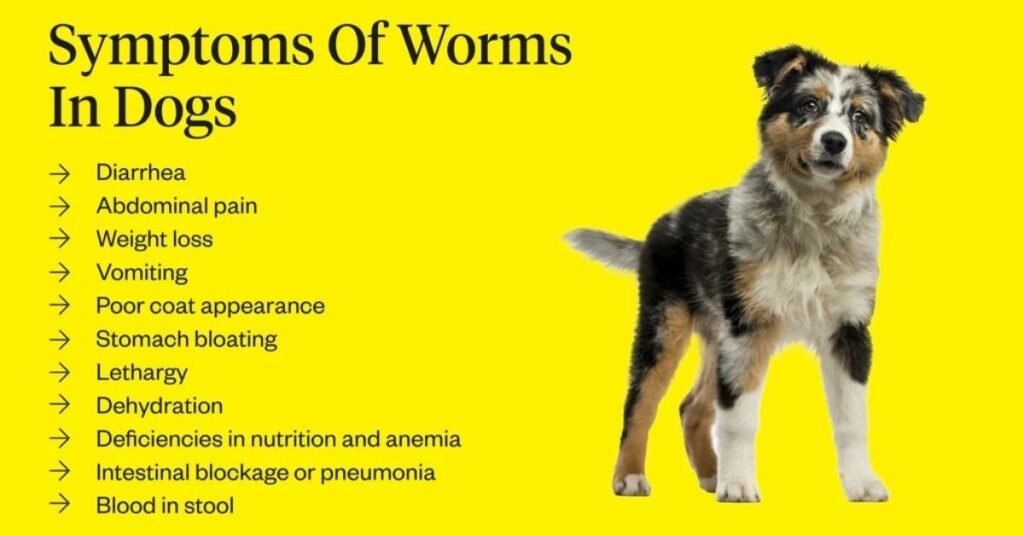
Dogs with worms may show clear signs, or sometimes no signs at all. Some dogs eat well but still lose weight. Others may seem tired or uncomfortable. The symptoms can vary depending on the type of worm.
Common symptoms of worm infections include:
- Worms or pieces of worms in dog poop
- Diarrhea or soft stool
- Vomiting or bloated belly
- Weight loss despite normal eating
- Scooting or itching around the rear
Digestive, Weight, and Behavior Changes
Worm infections often affect a dog’s digestion first. Dogs may have diarrhea or loose stool. Some may vomit or have a swollen belly. These changes can happen slowly or very suddenly.
Worms can also affect weight and behavior. Dogs may lose weight even if they eat normally. They may feel tired or less active than usual. Some dogs become itchy or scoot on the floor.
| Change Type | Common Signs | What It Means | When to Worry |
| Digestive | Diarrhea, vomiting, bloating | Worms irritating the gut | Lasts more than 1–2 days |
| Weight | Weight loss, poor growth | Worms stealing nutrients | Sudden or ongoing loss |
| Appetite | Eating more or less than usual | Digestive discomfort | Refuses food |
| Energy | Tired, weak, low activity | Loss of nutrients | Extreme lethargy |
| Behavior | Scooting, restlessness | Itching or irritation | Frequent or painful scooting |
Are Worms in Dogs Dangerous or Life-Threatening?
Worms in dogs can become a serious problem if they are left untreated. These parasites feed on your dog’s nutrients and can slowly weaken the body. Some worms harm the digestive system or cause blood loss. Young puppies and senior dogs are more likely to suffer serious effects.
In most cases, worms are not life-threatening when caught early. The danger increases when treatment is delayed or skipped. Long-term infections can lead to severe health issues and complications. Routine vet checkups and fast action help protect your dog’s health.
Puppies, Severe Symptoms, and Recurring Worms
Puppies are more sensitive to worm infections than adult dogs. Their immune systems are still developing. Worms can slow their growth and make them very weak. Without treatment, puppies can get sick quickly.
Severe symptoms happen when worms are ignored or keep coming back. Some dogs get worms again and again due to poor prevention. This can lead to long-term health problems. Regular treatment helps break this cycle.
| Risk Group | Common Problems | Why It’s Serious | What to Do |
| Puppies | Poor growth, bloated belly, diarrhea | Weak immune system | Early deworming |
| Dogs with Severe Symptoms | Anemia, vomiting, weight loss | Organ damage risk | Immediate vet visit |
| Recurring Infections | Frequent worms | Ongoing exposure | Preventive medication |
| Older Dogs | Weakness, low energy | Slower recovery | Regular checkups |
| Untreated Dogs | Severe illness | Life-threatening | Urgent treatment |
How Are Worms in Dogs Diagnosed?
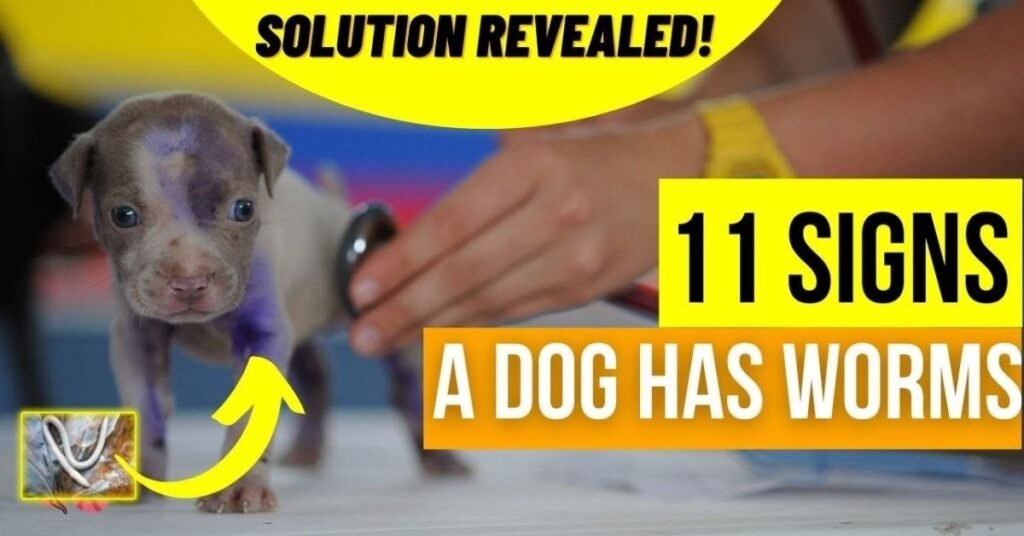
Vets use simple tests to find worms in dogs. The most common method is checking a stool sample. This helps identify worm eggs or pieces that are too small to see. Sometimes, vets also look at your dog’s symptoms.
Diagnosis may include:
- Stool sample testing
- Visual check of dog poop
- Blood tests for severe cases
- Review of symptoms and health history
Fecal Exams and Veterinary Testing
Fecal exams are the most common way to check for worms in dogs. The vet looks at a small poop sample under a microscope. This helps find worm eggs that cannot be seen with the naked eye. It is a quick and painless test.
Sometimes, more tests are needed. Blood tests help detect severe infections. Other checks may be done if symptoms are serious. These tests help the vet choose the right treatment.
| Test Type | What It Checks | Why It’s Used | When It’s Needed |
| Fecal Exam | Worm eggs in stool | Confirms infection | Routine checks |
| Visual Exam | Worms in poop | Quick detection | Obvious symptoms |
| Blood Test | Anemia or infection | Measures severity | Severe cases |
| Follow-Up Test | Treatment success | Ensures worms are gone | After medication |
| Puppy Screening | Early infection | Prevents growth issues | First vet visits |
Treatment Options for Worms in Dogs
Worm infections in dogs are usually easy to treat with the right care. A veterinarian will choose medication based on the specific worm involved. These medicines work by removing the parasites from your dog’s system. Improvement is often seen quickly after treatment begins.
Treatment may include:
- Prescription deworming medicine
- Multiple doses to fully clear the infection
- Flea control to stop tapeworms
- Washing dog bedding and cleaning living spaces
Deworming Medications and Follow-Up Care
Deworming medications are the main treatment for worms in dogs. These medicines are given as tablets, liquids, or spot-on treatments. Each type targets specific worms. Your vet may repeat the treatment to make sure all worms are gone.
Follow-up care is just as important as the medicine. Dogs may need another stool test after treatment. This confirms the infection is cleared. Good hygiene and prevention help stop worms from coming back.
| Care Step | What It Involves | Why It Matters | Timing |
| Deworming Medicine | Tablets or liquid | Kills worms | As prescribed |
| Repeat Dose | Second treatment | Removes new worms | 2–4 weeks later |
| Fecal Recheck | Stool test | Confirms success | After treatment |
| Flea Control | Prevents tapeworms | Stops reinfection | Ongoing |
| Cleaning Areas | Wash bedding, yard cleanup | Reduces eggs | During treatment |
How to Prevent Worms in Dogs
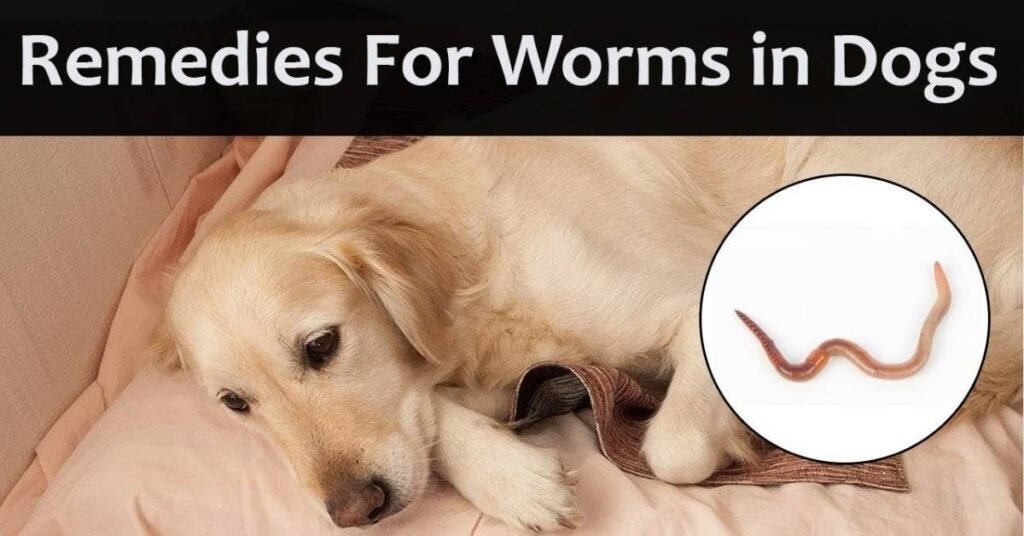
Preventing worms in dogs is easier than treating them. Regular vet visits help catch problems early. Keeping your dog’s living area clean also reduces risk. Good hygiene plays a big role in prevention.
Simple ways to prevent worms include:
- Regular deworming as advised by your vet
- Using flea prevention products
- Picking up dog poop right away
- Avoiding raw or undercooked food
Hygiene, Flea Control, and Regular Vet Visits
Good hygiene helps stop worms from spreading. Cleaning up dog poop reduces exposure to worm eggs. Washing your dog’s bedding keeps the living area safe. These small habits make a big difference.
Flea control and vet visits are also very important. Fleas can carry tapeworms and spread infection. Regular vet checkups help detect worms early. Prevention is always better than treatment.
| Prevention Step | What to Do | Benefit | How Often |
| Poop Cleanup | Remove poop daily | Reduces worm eggs | Every day |
| Bedding Hygiene | Wash dog bedding | Stops spread | Weekly |
| Flea Prevention | Use flea treatments | Prevents tapeworms | Monthly |
| Vet Checkups | Routine exams | Early detection | 1–2 times a year |
| Deworming Plan | Follow vet advice | Long-term protection | As recommended |
Conclusion
Worm problems in dogs are common, but they should never be ignored. Seeing worms in dog poop is often the first clear warning sign. Early action can prevent pain and serious health issues. Knowing what to look for helps you stay prepared.
Worms in dog poop can affect dogs of all ages. Puppies and older dogs are more at risk. With proper care, most infections are easy to treat. Vet guidance makes a big difference.
Regular prevention is the best defense. Cleaning up poop and controlling fleas lowers the risk. Routine vet visits help catch issues early. This reduces the chances of worms in dog poop returning.
If you ever notice worms in dog poop, do not panic. Many treatments work fast and well. Acting early protects your dog’s health and comfort.Staying informed helps you be a better pet owner. Simple habits can keep your dog safe and happy. Healthy dogs mean fewer worries for you.
FAQs
1. What causes worms in dog poop?
Dogs get worms by swallowing parasite eggs. This can happen through dirty soil, infected poop, fleas, or raw food. Puppies can also get worms from their mother. Poor hygiene increases the risk.
2. Can worms in dog poop infect humans?
Yes, some worms can spread to humans. This usually happens through contact with contaminated soil or poop. Children are at higher risk. Washing hands and cleaning areas helps prevent infection.
3. How long does it take to treat worms in dogs?
Most treatments work within a few days. Some dogs need repeat doses after a few weeks. Follow-up stool tests confirm the worms are gone. Always complete the full treatment.
4. Are worms in dog poop always visible?
No, not all worms can be seen in poop. Some are very small or only show up as eggs. A fecal test at the vet is the best way to be sure. Do not rely only on visual signs.
5. How can I stop worms from coming back?
Regular deworming and flea control are important. Pick up dog poop daily and keep areas clean. Routine vet visits help prevent reinfection. Prevention is easier than treatment.
