

Introduction
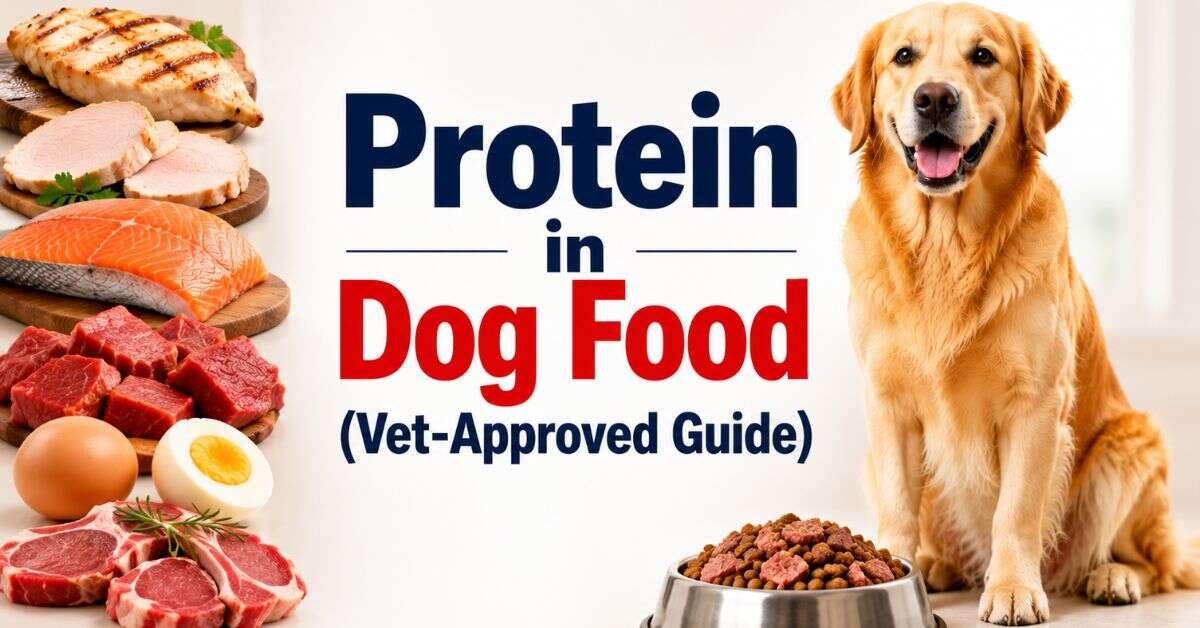
Protein in dog food is an essential nutrient that helps dogs grow and stay healthy. It is made up of amino acids that support muscles, skin, and overall body functions. Dogs need protein daily to maintain energy and repair tissues. Good-quality protein comes from animal or plant sources in their food.
Many dog owners are confused about how much protein their dog really needs. Some think more protein is always better, while others worry it may cause harm. The truth is, the right amount depends on your dog’s age, size, and activity level. Understanding this can make a big difference in your dog’s health.
In this guide, you will learn everything about protein in dog food. We will cover the types of protein, their benefits and risks, and how to choose the best option. This will help you make better feeding decisions for your dog.
What Is Protein in Dog Food and Why It Matters
Protein in dog food is a vital nutrient that helps your dog grow and stay healthy. It comes from sources like meat, fish, eggs, and some plants. Inside the body, protein breaks down into amino acids. These small parts help build muscles and repair tissues. Dogs need protein every day to support their basic body functions.
Protein also plays an important role in your dog’s overall health and energy. It helps keep the coat shiny and the skin healthy. It helps strengthen the immune system and keeps your dog full of energy. Without enough protein, dogs may become weak or lose muscle over time.
Why protein matters for dogs:
- Builds and maintains strong muscles
- Supports healthy skin and coat
- Helps repair body tissues
- Boosts energy levels
- Strengthens the immune system
Definition of Crude Protein in Dog Food
Crude protein in dog food refers to the total amount of protein present in the food. It is measured based on the nitrogen content found in the ingredients. This value is usually shown on the dog food label. It gives a general idea of how much protein the food contains.
However, crude protein does not show the quality of the protein. It does not tell where the protein comes from or how easy it is to digest. Some protein sources are better than others for dogs. So, it is important to look beyond just the number and consider the ingredient quality as well.
Role of Protein in Canine Health
Protein is a key part of a dog’s body system. It helps build strong muscles and supports healthy growth at every stage of life. It also works in the background to repair cells and keep body tissues in good condition. Without enough protein, a dog’s body cannot function at its best.
Protein also supports many important processes inside the body. It helps maintain a healthy coat and protects skin from damage. It is needed for the production of enzymes and hormones that control body functions. A proper protein intake helps dogs stay active, strong, and healthy in daily life.
Types of Protein in Dog Food
Protein in dog food mainly comes from two sources: animal-based and plant-based. Animal protein is found in meat, fish, eggs, and poultry. It is considered a complete protein because it contains all essential amino acids dogs need. Plant protein comes from ingredients like soy, peas, and lentils. It is often used to support or balance animal protein in dog food.
Both types of protein can be useful for dogs, but they work in different ways. Animal protein is usually easier for dogs to digest and use. Plant protein can still provide nutrients, but it may not be as complete on its own. Many dog foods combine both types to create a balanced diet.
Common protein sources in dog food:
- Animal-based: chicken, beef, fish, eggs
- Plant-based: soy, peas, lentils, chickpeas
- Mixed formulas: combine both for balance
Benefits of Animal-Based Protein Sources
Animal-based protein is one of the best protein sources for dogs. It comes from meat, fish, eggs, and poultry. This type of protein is very close to what dogs eat in nature. It helps them stay strong, active, and healthy. It also provides all essential amino acids that dogs need for growth and body repair.
Animal protein is also easy for dogs to digest and use. It gives quick energy and supports muscle development. Many vets prefer it as the main protein source in dog food because of its high quality.
Key benefits of animal-based protein:
- Contains all essential amino acids
- Supports strong muscle growth
- Easy to digest and absorb
- Boosts energy levels quickly
- Helps maintain healthy body functions
Differences Between Animal and Plant Protein
Animal and plant proteins are different in many ways. Animal protein comes from meat, fish, eggs, and poultry. It is a complete protein, which means it has all the essential amino acids dogs need. Plant protein comes from sources like peas, soy, and lentils. It may not always provide all essential amino acids on its own.
Another difference is how dogs digest them. Animal protein is usually easier and faster for dogs to absorb. Plant protein can be harder to digest for some dogs. However, both types can work well when combined in balanced dog food.
Main differences:
- Animal protein is complete; plant protein may be incomplete
- Animal protein is easier to digest
- Plant protein comes from vegetables and legumes
- Animal protein is more natural for dogs
- Both can be used together for balanced nutrition
How Much Protein Does a Dog Need?

The amount of protein a dog needs depends on its age, size, and activity level. Puppies need more protein because they are growing fast. Adult dogs need a balanced amount to maintain their body and energy. Active or working dogs may also need higher protein to support their strength and stamina.
Most adult dogs need a diet that contains enough high-quality protein every day. However, too much or too little protein can cause health problems. That is why it is important to choose dog food that matches your dog’s specific needs. A vet can also help decide the right protein level for your dog.
Protein Needs by Age, Size, and Activity
A dog’s protein needs change throughout its life. Puppies need more protein because their bodies are growing quickly. Adult dogs need a steady amount to maintain muscles and energy. Senior dogs may need moderate protein to stay healthy without stressing their kidneys. Size and activity level also make a big difference in daily protein needs.
Active dogs burn more energy, so they need more protein than calm or indoor dogs. Small breeds may need less total protein, but still need high-quality sources. Large and working dogs often require higher protein diets to support strength and endurance.
| Category | Protein Need Level | Reason for Need | Example Dogs |
| Puppies | High | Fast growth and body development | All breeds (young age) |
| Adult Dogs | Moderate | Maintenance of body and muscles | Labrador, Beagle |
| Senior Dogs | Moderate/Lower | Gentle support for an aging body | Older dogs (7+ years) |
| Small Breeds | Moderate | Less body size but high-energy diet | Chihuahua, Pomeranian |
| Large Breeds | High | More muscle and body support | German Shepherd, Husky |
| Active Dogs | High | Extra energy for running and exercise | Working or sporty dogs |
| Less Active | Low–Moderate | Lower energy use and slower metabolism | Indoor or lazy dogs |
Protein Requirements for Puppies vs Adult Dogs
Puppies need more protein than adult dogs. Their bodies are growing fast, so protein helps build strong muscles, bones, and tissues. It also supports healthy development during their early life stage. Without enough protein, puppies may grow weak or develop health problems later.
Adult dogs need less protein compared to puppies, but it is still very important. Their main goal is to maintain body strength and stay healthy. They do not need extra protein for growth, but they still need good-quality protein for energy and repair.
| Factor | Puppies | Adult Dogs |
| Growth Stage | Rapid growth and development | Fully grown, no growth needed |
| Protein Need | High | Moderate |
| Main Purpose | Build muscles, bones, and tissues | Maintain body and overall health |
| Feeding Frequency | 3–4 meals per day | 1–2 meals per day |
| Diet Focus | Growth-supporting, high-protein food | Balanced maintenance diet |
Benefits of High-Protein Dog Food
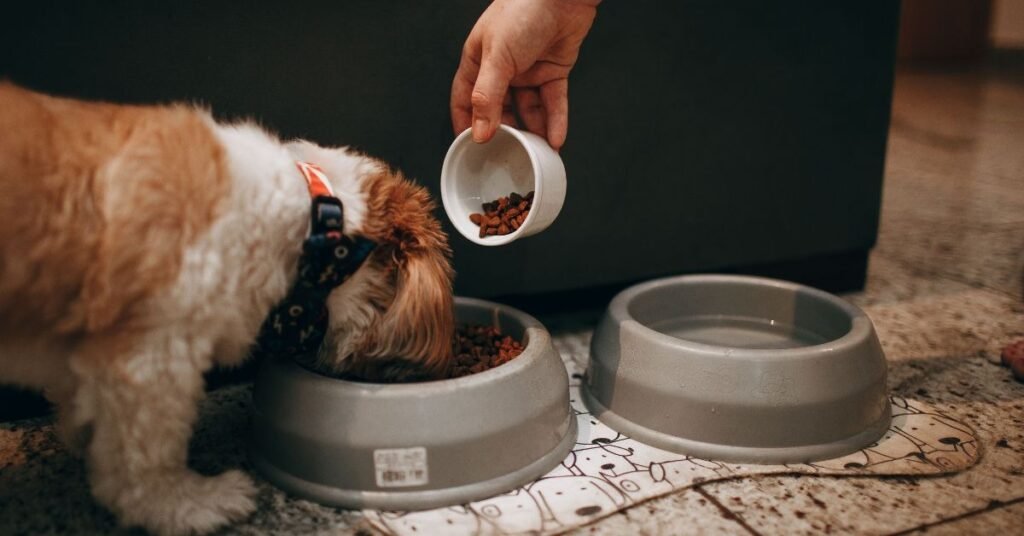
High-protein dog food helps support your dog’s overall health and strength. It provides the building blocks needed for strong muscles and body repair. Dogs that are active or growing benefit the most from higher protein levels. It also helps maintain energy throughout the day.
High-quality protein can also improve your dog’s skin, coat, and immune system. It supports healthy aging and keeps your dog feeling strong. However, the protein must come from good sources like meat, fish, or eggs.
Main benefits of high-protein dog food:
- Builds and maintains strong muscles
- Supports healthy growth and development
- Improves energy and stamina
- Promotes shiny coat and healthy skin
- Strengthens the immune system
Muscle Growth and Energy Support
Protein plays a major role in building and maintaining strong muscles in dogs. It helps repair muscle tissue after exercise or play. This is very important for growing puppies and active dogs. With enough protein, dogs can stay strong and physically fit.
Protein also provides steady energy for daily activities. It helps dogs stay active without feeling tired too quickly. Active and working dogs especially need more protein to support their energy needs.
How protein supports muscles and energy:
- Builds strong and healthy muscles
- Repairs muscle damage after activity
- Provides steady daily energy
- Supports active and working dogs
- Helps maintain physical strength over time
Recovery and Immune System Benefits
Protein helps dogs recover faster after illness, injury, or heavy activity. It supports the repair of damaged tissues and builds new healthy cells. This is very important for active dogs and those healing from health problems. With enough protein, the body can recover in a stronger and healthier way.
Protein also supports a strong immune system. It helps the body fight infections and stay protected from diseases. Dogs with good protein intake often stay more active and healthy over time.
How protein helps recovery and immunity:
- Repairs damaged tissues quickly
- Supports faster healing after injury or illness
- Builds strong and healthy cells
- Strengthens the immune system
- Helps the body fight infections
Risks of Too Much or Too Little Protein

Protein balance is very important in a dog’s diet. When a dog gets too little protein, the body cannot repair itself properly. This may lead to weak muscles, low energy, and poor coat condition. Over time, the dog may become less active and lose strength.
On the other hand, too much protein can also create issues. It may add extra load on the kidneys and digestive system in some dogs. It can also increase calorie intake, which may lead to unnecessary weight gain. Every dog needs the right amount based on its age and lifestyle.
What imbalance can cause:
- Loss of muscle strength and body condition
- Low energy and poor activity levels
- Slow healing and weak recovery
- Kidney stress in sensitive or older dogs
- Weight gain from extra calories in diet
Signs of Protein Deficiency in Dogs
Protein deficiency happens when a dog does not get enough protein in its diet. This can affect many parts of the body. Dogs may start to look weak and lose muscle over time. Their energy levels may also drop, and they may not feel as active as before.
It can also affect the skin, coat, and overall health. The body may struggle to repair itself properly. In serious cases, growth in puppies can slow down, and immunity may become weak.
Common signs of protein deficiency:
- Weak and tired appearance
- Loss of muscle mass
- Dull, dry, or rough coat
- Slow growth in puppies
- Poor healing of wounds
- Low energy and reduced activity
Side Effects of Excess Protein Intake
Too much protein in a dog’s diet can also cause health problems. While protein is important, the body only needs a certain amount. Extra protein does not always turn into extra strength. Instead, it may put stress on some organs, especially if given for a long time.
Some dogs may also gain unwanted weight if high-protein food has extra calories. In sensitive dogs, it can affect digestion and overall balance in the body. Older dogs need extra care with protein levels to avoid strain on their health.
Possible side effects of excess protein:
- Extra strain on kidneys in some dogs
- Weight gain from high-calorie intake
- Digestive discomfort or loose stool
- Dehydration risk if water intake is low
- Imbalance in overall nutrition over time
How to Choose the Best Protein in Dog Food

Choosing the best protein for your dog is very important for good health. Look for dog food that has high-quality protein as the first ingredient. Good sources include chicken, beef, fish, or eggs. These proteins are easy for dogs to digest and help support strong muscles and energy.
It is also important to match the protein type with your dog’s age, size, and activity level. Puppies, active dogs, and working dogs may need higher protein. Older or less active dogs may need a more balanced amount. Always read the label carefully before choosing dog food.
Tips for choosing the best protein:
- Look for real meat as the first ingredient
- Choose easily digestible protein sources
- Check if the food matches your dog’s age and activity
- Avoid low-quality fillers in the ingredients
- Prefer balanced and vet-approved formulas
Reading Dog Food Labels and Ingredients
Dog food labels tell you what your dog is really eating. The ingredient list shows everything used in the food, starting from the largest amount. The first ingredient is the most important because it makes up the main part of the diet. This helps you understand if the food has good-quality protein or not.
A good label should clearly name the protein source. Look for simple ingredients like chicken, lamb, beef, or salmon. Try to avoid unclear or hidden terms that do not explain the real source of protein. A clean and honest label usually means better nutrition for your dog.
What to check on labels:
- First ingredient should be real meat
- Clear protein source (chicken, beef, fish, etc.)
- Simple and easy-to-understand ingredients
- Avoid unclear terms like “animal derivatives”
- Fewer fillers and artificial additives
Identifying High-Quality Protein Sources
High-quality protein sources are very important for your dog’s health. They provide the right nutrients that help build strong muscles and support body functions. The best proteins come from real, whole food ingredients. These are easier for dogs to digest and use in their bodies.
Good protein sources are clearly named on the label. You should always look for specific ingredients instead of vague terms. The simpler and clearer the source, the better the quality usually is.
Examples of high-quality protein sources:
- Chicken
- Beef
- Lamb
- Salmon
- Eggs
- Turkey
Avoid foods that do not clearly explain the protein source. High-quality protein helps keep your dog strong, active, and healthy every day.
Understanding Protein Sources and Quality
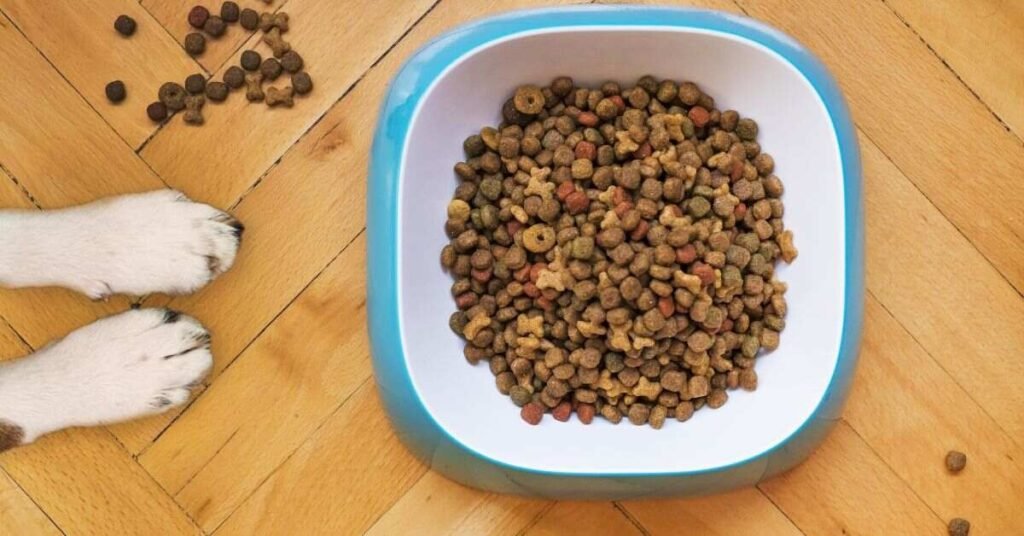
Protein sources in dog food come from both animals and plants. Animal sources include meat, fish, eggs, and poultry. Plant sources include peas, soy, and lentils. Not all protein sources are equal. Some are easier for dogs to digest and use than others.
High-quality protein gives better nutrition and supports your dog’s health more effectively. It provides essential amino acids that help build and repair the body. Low-quality protein may not give the same benefits and can be harder to digest. That is why checking protein quality is just as important as checking the amount.
Common protein sources:
- Animal-based: chicken, beef, fish, lamb
- Plant-based: soy, peas, lentils, chickpeas
- Mixed sources: combine animal and plant protein
Single Protein vs Multiple Protein Diets
A single protein diet means the dog food uses only one main protein source. For example, only chicken or only lamb. This type of diet is often used for dogs with food allergies or sensitive stomachs. It helps owners easily identify which protein works best for their dog.
A multiple protein diet includes more than one protein source. It can mix chicken, beef, fish, or other proteins. This type of diet offers more variety and can provide a wider range of nutrients. It is often used for healthy, active dogs with no food sensitivities.
| Feature | Single Protein Diet | Multiple Protein Diet |
| Protein Sources | One main source | Two or more sources |
| Best For | Dogs with allergies or sensitivity | Healthy and active dogs |
| Digestion | Easier to track and manage | More variety in digestion |
| Nutrition Variety | Limited but targeted | Wider range of nutrients |
| Example | Chicken-only food | Chicken + beef + fish mix |
Importance of Protein Digestibility
Protein digestibility means how easily a dog can break down and absorb protein from food. Even if food has high protein, it is not useful if the body cannot use it well. Good digestibility helps dogs get full nutrition from every meal. It supports growth, energy, and overall health.
Highly digestible protein reduces waste in the body. It also helps prevent stomach issues like gas or loose stool. Dogs feel more energetic when their food is easy to digest. That is why quality and digestibility matter more than just protein amount.
Why protein digestibility is important:
- Helps the body absorb nutrients better
- Supports healthy growth and energy
- Reduces digestive problems
- Improves stool quality
- Makes protein more effective for health
Best Dog Foods Based on Protein Content
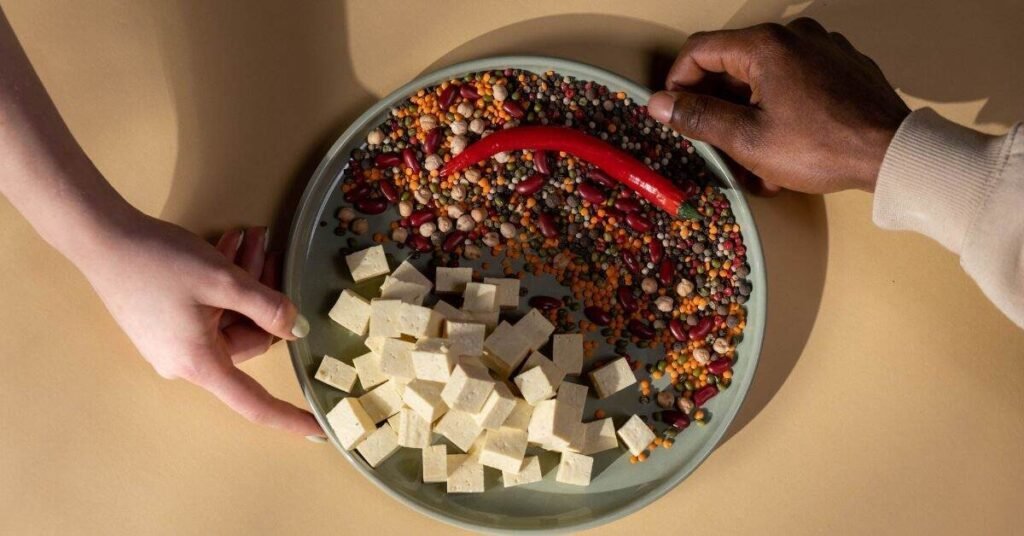
High-protein dog foods are made to support strength, energy, and muscle health. They usually contain real meat as the first ingredient and offer better nutrition for active dogs. Many top brands focus on balanced protein levels, usually from 25% to 40% or more on a dry basis. The best choice depends on your dog’s age, activity, and health needs.
These foods are often recommended for working dogs, puppies, and very active pets. They help maintain strong muscles and steady energy throughout the day. However, quality matters more than just high numbers. Good protein should come from clean and digestible sources like chicken, fish, or lamb.
Top features of good high-protein dog food:
- Real meat as the first ingredient
- Balanced protein (not just high percentage)
- Easy-to-digest protein sources
- No heavy fillers or artificial additives
- Suitable for dog’s age and activity level
High-Protein vs Balanced Diet Options
High-protein dog food focuses on giving a higher amount of protein for muscle strength and energy. It is often used for active, working, or growing dogs. This type of diet supports strong body development but may not be needed for every dog. It works best when carefully matched to the dog’s lifestyle.
A balanced diet includes protein along with fats, carbohydrates, vitamins, and minerals. It supports overall health and is suitable for most dogs. This type of diet is more common for everyday feeding. It helps maintain steady energy without overloading the body.
| Feature | High-Protein Diet | Balanced Diet |
| Protein Level | Higher than average | Moderate and controlled |
| Best For | Active, working, or growing dogs | Most adult and senior dogs |
| Energy Support | High energy and strength | Steady daily energy |
| Nutrient Focus | Protein-focused | Full nutrition balance |
| Risk Level | May stress the body if excessive | Safer for long-term feeding |
Choosing the Right Food for Your Dog’s Needs
Every dog has different needs, so there is no single perfect food for all dogs. A young puppy needs food that supports fast growth and strong development. An adult dog needs steady nutrition to maintain health and energy. Senior dogs need gentle food that is easy to digest and supports aging joints and organs.
You should always match food with your dog’s daily routine and health condition. Active dogs need more energy-rich meals, while calm dogs need lighter diets. Always focus on quality ingredients and clear protein sources. Small changes in food choice can make a big difference in your dog’s health.
Key points to choose the right food:
- Match food with age and life stage
- Adjust protein based on activity level
- Consider breed size and body needs
- Watch for allergies or food sensitivity
- Choose clean, high-quality ingredients
- Keep long-term health in mind, not just taste
Conclusion
Protein is an important part of a dog’s diet. It helps build strong muscles and supports overall health. Dogs need the right amount of protein every day to stay active and healthy.
Different dogs have different protein needs. Puppies need more protein for growth. Adult dogs need a balanced amount to maintain their body. Senior dogs may need gentle and easy-to-digest protein sources.
The quality of protein also matters a lot. High-quality protein from meat, fish, or eggs is easier for dogs to use. Poor-quality protein may not give the same health benefits. Always check the ingredients before choosing dog food.
In the end, a balanced diet is the best choice for most dogs. It should include the right level of protein based on age, size, and activity. Good nutrition helps your dog live a strong, happy, and healthy life.
FAQs
What is protein in dog food?
Protein in dog food is a nutrient that helps build and repair the body. It is made from amino acids that support muscles, skin, and organs. Dogs need protein every day for good health and energy.
Why is protein important for dogs?
Protein helps dogs stay strong and active. It helps build strong muscles, repair body tissues, and support a healthy immune system. Without enough protein, dogs may become weak and tired.
What are good protein sources for dogs?
Good protein sources include chicken, beef, fish, lamb, and eggs. These are animal-based proteins and are easy for dogs to digest. Some plant sources like peas and soy are also used in dog food.
Can dogs eat too much protein?
Yes, too much protein can cause problems in some dogs. It may put stress on the kidneys or lead to weight gain. The right balance depends on the dog’s age, size, and activity level.
How do I choose the best protein for my dog?
Look for real meat as the first ingredient on the label. Choose high-quality and easy-to-digest protein sources. Always match the food with your dog’s health needs and lifestyle.
