

Introduction
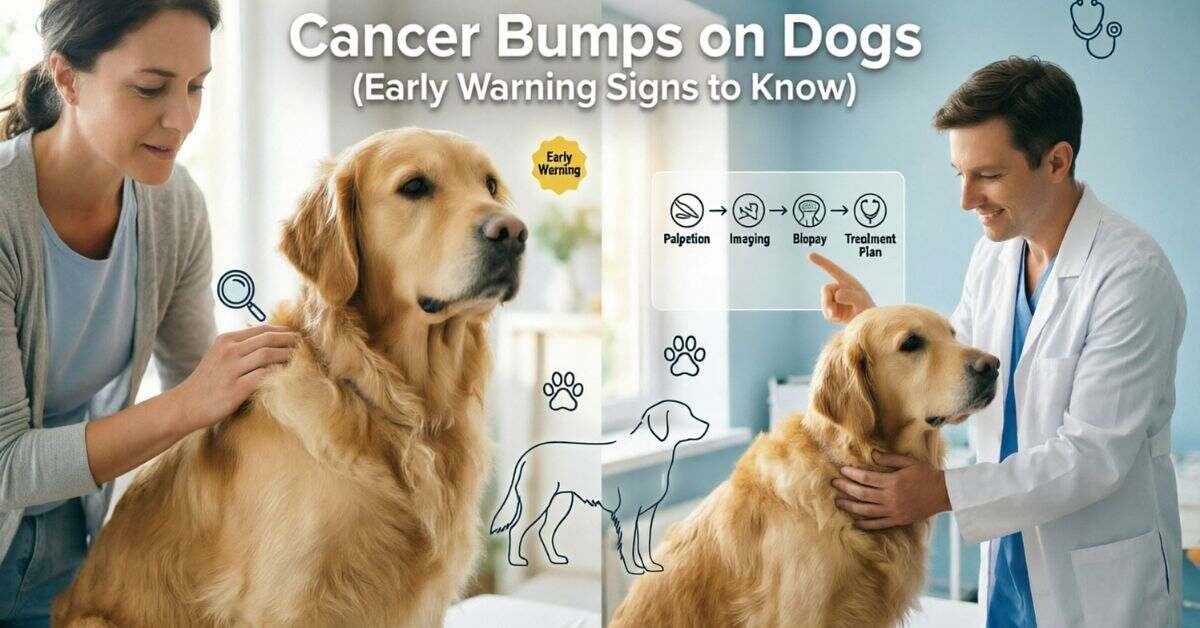
Cancer bumps on dogs are unusual lumps or growths that can appear on or under the skin. Some of these bumps are harmless, but others may be cancerous and need medical attention. They can vary in size, shape, and texture. You may notice them while petting or grooming your dog. Early detection is very important for your dog’s health.
Many dog owners ignore small lumps at first. This can be risky. Some cancer bumps grow quickly and become dangerous. Others may not hurt your dog in the beginning. But over time, they can lead to serious health problems. Knowing what to look for can truly save your dog’s life.
In this guide, you will learn how to spot early symptoms of cancer bumps in dogs. You will also understand which signs are normal and which are not. We will cover when to worry and what steps to take next. This simple knowledge can help you act fast and protect your dog.
What Are Cancer Bumps on Dogs?
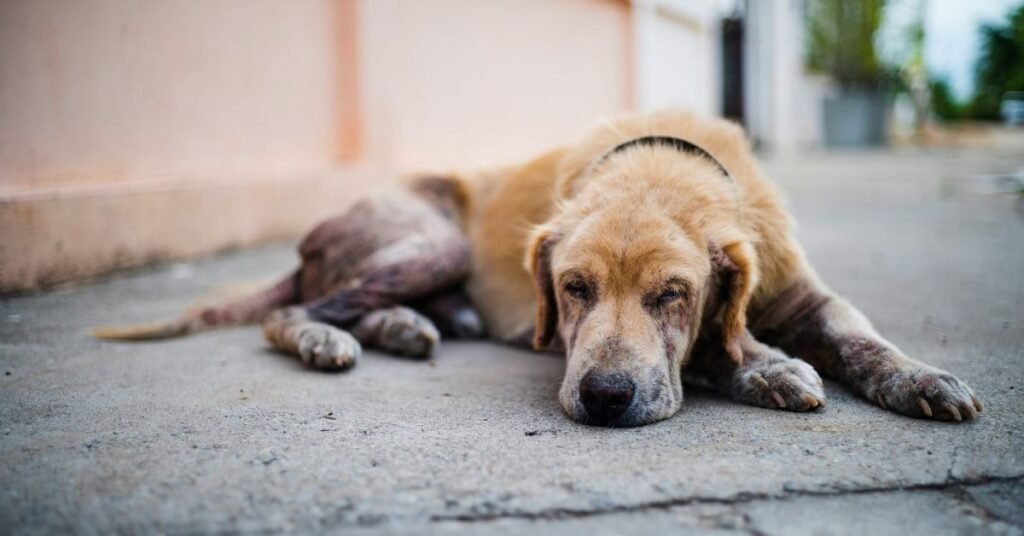
Cancer bumps on dogs are lumps or growths that can form on the skin or under it. Some are soft and move easily, while others feel hard and fixed in place. These bumps can be small or grow larger over time. Not all lumps are cancer, but it is important to take every new bump seriously. Early checking can help find problems before they get worse.
These bumps can be either benign (non-cancerous) or malignant (cancerous). Benign lumps usually grow slowly and may not cause harm. Cancerous bumps can spread to other parts of the body and become life-threatening. You may notice changes in size, color, or shape. If a bump looks unusual or keeps growing, it is best to have a vet examine it as soon as possible.
How to Identify a Suspicious Lump Early
Checking your dog regularly helps you notice problems sooner. Use your hands to feel along your dog’s body during cuddle time, slowly. Look closely at areas such as the neck, legs, belly, and the area under the tail. A healthy lump is usually soft and slow-growing, but anything that feels different should get your attention. Small changes are often the first warning signs.
Trust what you see and feel. If a lump starts changing over days or weeks, it should not be ignored. Even if your dog seems fine, early action can prevent serious issues later. Taking a simple photo or measuring the lump can help you track any changes before a vet visit.
Watch for these early red flags:
- A lump that appears suddenly
- Fast growth in a short time
- Uneven edges or odd shape
- Color changes (dark, red, or inflamed)
- Warmth or swelling around the area
- Your dog is acting restless or sensitive near the lump
Difference Between Benign and Cancerous Growths
Not all lumps on dogs are dangerous. Some are benign, which means they are not cancerous and usually grow slowly. These bumps often feel soft, smooth, and can move slightly under the skin. They may stay the same size for a long time and do not spread to other parts of the body. Even so, they should still be checked by a vet to be sure.
Cancerous growths are more serious and need quick attention. These lumps may grow fast, feel hard, or have an uneven shape. They can spread to other organs and affect your dog’s overall health. You might also notice changes in your dog’s behavior, like low energy or loss of appetite. Early detection can make treatment more effective.
Key differences to look for:
- Benign lumps: slow growth, soft, movable, not painful
- Cancerous lumps: fast growth, hard, irregular shape
- Benign lumps: usually stay in one place
- Cancerous lumps: may spread to other areas
- Benign lumps: little to no change over time
- Cancerous lumps: change quickly in size, color, or texture
Common Types of Cancer Bumps in Dogs
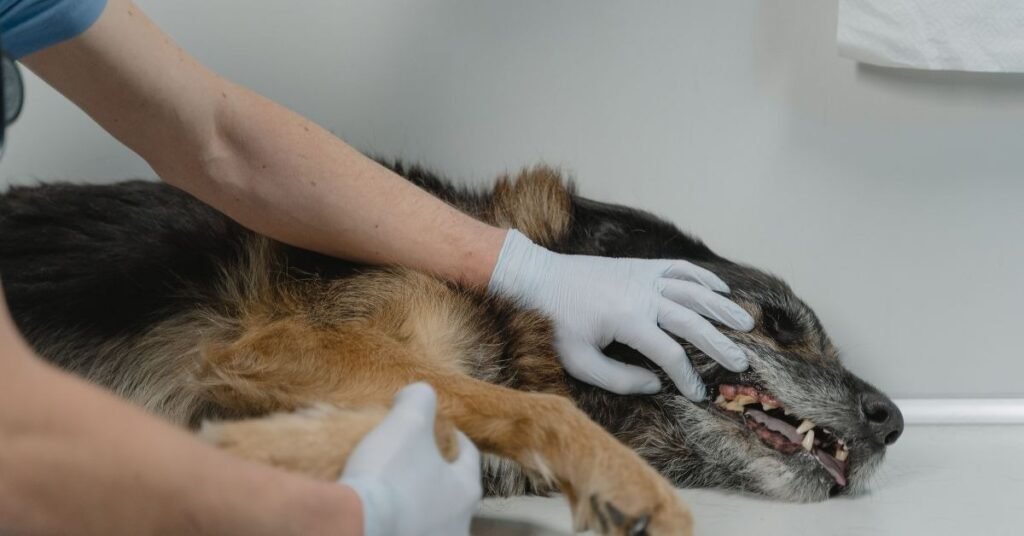
Dogs can develop different kinds of lumps on their skin or under it. Some are harmless, but others can be cancerous. These bumps may look similar at first, which makes them hard to identify without a vet check. Knowing the common types can help you understand what your dog might be dealing with. It also helps you act faster if something looks unusual.
Each type of bump has its own signs and behavior. Some grow slowly, while others spread quickly and need urgent care. Paying attention to how the lump looks and feels can give you early clues. Still, only a vet can confirm the exact type through proper testing.
Common types of cancer bumps in dogs include:
- Mast cell tumors are one of the most common and can change in size quickly
- Squamous cell carcinomas often appear as sores or rough patches on the skin
- Melanomas: dark-colored lumps that may grow fast
- Soft tissue sarcomas: firm lumps that form under the skin
- Lymphomas: may cause swollen lymph nodes instead of visible skin lumps
Mast Cell Tumors and Other Malignant Lumps
Mast cell tumors are one of the most common cancerous skin lumps in dogs. They can look simple at first, like a small bump or swelling. But they are dangerous because they can grow fast and change in size. These tumors may also become red, itchy, or painful. Some dogs may seem normal, while others show signs of discomfort.
Other malignant lumps in dogs can also appear in different forms. Some grow under the skin, while others affect deeper tissues. These cancers can spread if not treated early. That is why quick detection and vet care are very important. Below is a simple table to help you understand common malignant lumps.
| Type of Malignant Lump | How It Looks | Common Signs | Risk Level |
| Mast Cell Tumor | Small bump, may look normal | Itching, swelling, and rapid size change | High |
| Melanoma | Dark or black lump | Bleeding, fast growth | High |
| Squamous Cell Carcinoma | Red, crusty sore or lump | Pain, open wounds | High |
| Soft Tissue Sarcoma | Firm lump under skin | Slow or fast growth | Medium to High |
| Lymphoma (skin form) | Swollen areas or nodes | Weakness, weight loss | High |
Lipomas, Cysts, and Non-Cancerous Growths
Not all lumps on dogs are cancerous. Many dogs develop harmless growths like lipomas and cysts. Lipomas are soft, fatty lumps that usually grow slowly under the skin. Cysts are small sacs filled with fluid or thick material. These growths often do not cause pain and may stay the same size for a long time. Even though they are usually safe, they should still be checked by a vet.
Non-cancerous lumps can still look different from dog to dog. Some feel soft and movable, while others may feel firm or slightly raised. Regular monitoring is important to make sure they are not changing. If a lump starts growing fast or changing shape, it should be examined. The table below shows common non-cancerous growths and their signs.
| Type of Growth | How It Feels | Common Signs | Risk Level |
| Lipoma (Fatty Tumor) | Soft, smooth, movable | Slow growth, usually painless | Low |
| Sebaceous Cyst | Small, round lump | May release thick material if opened | Low |
| Skin Tag | Small flap of skin | No pain, stays the same size | Low |
| Wart (Papilloma) | Rough, cauliflower-like | May appear in groups | Low |
| Hematoma | Soft swelling filled with blood | May appear after injury | Low to Medium |
Why Do Cancer Bumps Develop in Dogs?
Cancer bumps in dogs develop when cells in the body start growing in an abnormal way. Instead of dying naturally, these cells keep dividing and form a lump or tumor. This can happen in the skin, under the skin, or inside the body. The exact cause is not always known, but it often happens slowly over time. Older dogs are more at risk, but it can happen at any age.
Several factors can increase the risk of cancer bumps in dogs. Genetics, breed type, and age can play a big role. Exposure to sunlight, chemicals, or long-term inflammation may also contribute. In some cases, a weak immune system can make it easier for abnormal cells to grow. That is why regular checkups and early detection are very important for your dog’s health.
Genetic and Age-Related Risk Factors
Some dogs are more likely to develop cancer bumps because of their genes. This means the risk can pass from parent dogs to puppies. Certain breeds are also more prone to tumors than others. These genetic factors cannot be controlled, but they can help owners stay alert. Early checkups become very important for high-risk dogs.
Age is another major factor in cancer development. Older dogs have a higher chance of getting lumps because their cells become weaker over time. The body also becomes less able to repair damaged cells. That is why most cancer bumps are seen in senior dogs. Regular vet visits can help catch problems early.
| Risk Factor Type | Description | Impact Level | Example |
| Genetics | Passed from the parent dogs | High | Family history of tumors |
| Breed Predisposition | Some breeds are more at risk | High | Golden Retrievers, Boxers |
| Age | Risk increases with aging | Very High | Senior dogs (7+ years) |
| Weak Cell Repair | Body repairs slowly over time | Medium | Older immune system |
| Inherited Conditions | Genetic mutations | High | Certain hereditary cancers |
Environmental and Lifestyle Triggers
Cancer bumps in dogs can also develop due to environmental and lifestyle factors. Things your dog is exposed to every day may slowly affect their health. This includes sunlight, chemicals, pollution, and even secondhand smoke. These triggers can damage cells over time and increase the risk of abnormal growths.
A dog’s lifestyle also plays an important role. Poor diet, lack of exercise, and long-term exposure to harmful substances can weaken the immune system. When the body is weak, it becomes harder to stop unhealthy cell growth. That is why a healthy routine can help lower the risk of cancer bumps.
| Trigger Type | Description | Possible Effect | Risk Level |
| Sun Exposure | Too much UV light | Skin cell damage, tumors | High |
| Chemical Exposure | Pesticides, cleaning agents | Cell mutation risk | High |
| Secondhand Smoke | Inhaling tobacco smoke | Lung and skin damage | High |
| Poor Diet | Low-quality food | Weak immune system | Medium |
| Lack of Exercise | Limited physical activity | Poor overall health | Medium |
| Obesity | Excess body weight | Higher cancer risk | High |
| Chronic Stress | Long-term anxiety | Weak immune response | Medium |
Early Warning Signs Dog Owners Should Not Ignore
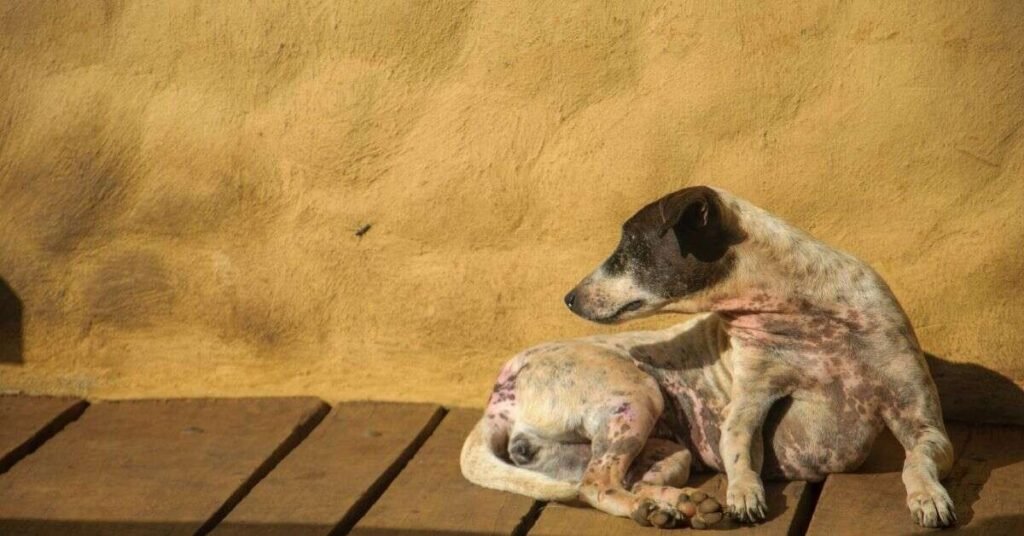
Early warning signs of cancer bumps in dogs can be easy to miss at first. Many changes start small but become more serious over time. You may notice a new lump, or an old one that starts to change. Some dogs also show small behavioral changes before the condition gets worse. Paying attention to these signs can help you act early.
It is important not to ignore any unusual changes in your dog’s body or behavior. Even if your dog looks normal, hidden problems can still be developing. Regular checking at home can help you notice these issues sooner. Early action can make treatment more successful and less stressful for your pet.
Common warning signs include:
- New lumps or bumps on the body
- Fast-growing or changing lumps
- Loss of appetite or eating less
- Low energy or unusual tiredness
- Bleeding, discharge, or open sores
- Sudden weight loss without reason
- Constant licking or scratching of one area
Changes in Size, Shape, or Color
Changes in a lump’s size, shape, or color are important warning signs in dogs. A healthy lump usually stays the same for a long time. But a suspicious lump may start growing quickly or changing in appearance. You might see it become larger, uneven, or more noticeable over days or weeks. These changes should never be ignored.
Color changes can also be a sign of trouble. A lump may turn red, dark, or even look bruised. The skin around it may become irritated or swollen. Even small changes can mean something serious is developing inside. Tracking these changes helps you understand how fast the problem is progressing.
| Type of Change | What You May Notice | Possible Meaning | Risk Level |
| Size Increase | The lump gets bigger quickly | Active tumor growth | High |
| Shape Change | Becomes uneven or irregular | Abnormal cell activity | High |
| Color Darkening | Turns black or dark brown | Possible melanoma or bleeding | High |
| Redness | Skin becomes red or inflamed | Infection or irritation | Medium to High |
| Swelling Around a Lump | The area looks puffy or raised | Internal inflammation | Medium |
| Bruising Appearance | Blue or purple tone | Blood vessel involvement | High |
Symptoms Like Pain, Low Energy, or Appetite Loss
Pain, low energy, and loss of appetite are important signs that your dog may not be well. Dogs often hide pain, so the signs can be very subtle at first. You may notice your dog moving less, sleeping more, or avoiding normal activities. These changes can happen slowly, so careful observation is important.
When a cancer bump becomes serious, it can affect your dog’s whole body. Your dog may stop eating properly or lose interest in food they usually enjoy. Low energy can make them seem tired all the time. These symptoms often appear together and should not be ignored.
| Symptom | What You May Notice | Possible Meaning | Concern Level |
| Loss of Appetite | Eating less or skipping meals | Illness or discomfort | High |
| Low Energy | Sleeping more, less activity | Body weakness or disease | High |
| Pain Signs | Whining, flinching, or sensitivity | Tumor pressure or inflammation | High |
| Reduced Playfulness | No interest in toys or walks | Physical or internal illness | Medium to High |
| Weight Loss | Noticeable thinning over time | Long-term health issue | High |
| Restlessness | Trouble settling or sleeping | Discomfort or pain | Medium |
When Is a Lump on a Dog an Emergency?
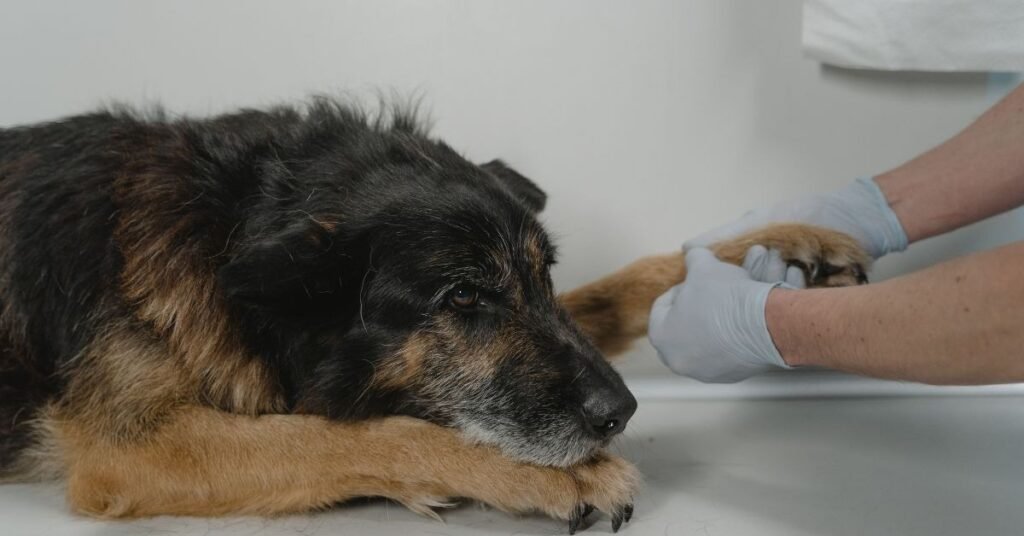
A lump on a dog is not always serious, but certain changes need quick attention. If a bump suddenly grows, changes shape, or becomes very hard, it may be a warning sign. Fast growth can show that the problem is active and should not be ignored. Pain, heat, or bleeding from the lump also suggests a serious condition.
It becomes an emergency when your dog also shows whole-body symptoms. This includes refusing food, extreme tiredness, or acting weak and unusual. If the lump looks infected, opens into a wound, or keeps oozing fluid, it needs fast treatment. In these situations, delaying a vet visit can put your dog’s health at risk.
Rapid Growth, Bleeding, or Infection Signs
Rapid growth in a lump is one of the most important warning signs in dogs. A bump that suddenly becomes larger in a short time may indicate a serious problem. Bleeding or oozing from the lump is also not normal. These signs often show that the tissue is damaged or changing quickly.
Infection can also make a lump more dangerous. The area may become red, warm, swollen, or painful to touch. You may also notice a bad smell or discharge coming from the bump. These changes mean the lump needs immediate veterinary attention.
Warning signs to watch for:
- A lump growing quickly in days or weeks
- Bleeding or an open sore on the bump
- Pus or unusual discharge
- Red, hot, or swollen skin around the lump
- Bad smell coming from the area
- Pain or sensitivity when touched
Other Life-Threatening Symptoms to Watch
Some symptoms in dogs can be very serious. If your dog is weak, collapsing, or unable to stand, it may be an emergency. Trouble breathing is also a major warning sign. These problems should never be ignored.
Other dangerous signs include severe vomiting or diarrhea that does not stop. Pale gums, extreme pain, or sudden loss of energy can also mean something is wrong. In these cases, take your dog to a vet right away for quick treatment.
How Veterinarians Diagnose Cancer Bumps
Veterinarians start by carefully checking your dog’s body. A veterinarian checks the size, shape, and feel of the lump. They also ask whether it has grown, become painful, or started bleeding. This first exam helps them determine whether the bump looks risky.
To confirm the diagnosis, vets may do more tests. They can take a small sample from the lump using a needle. This is called a biopsy or fine needle test. Sometimes, blood tests or scans are also needed to see if cancer has spread. These steps help the vet choose the right treatment plan.
Physical Exams and Fine Needle Aspiration
Vets first start with a physical exam. First, the veterinarian carefully feels the lump on your dog’s body. Next, they check its size, shape, and hardness. They also look for signs of pain, warmth, or skin changes. This helps them understand if the bump may be harmless or serious.
After the exam, the vet may do a fine needle aspiration. This is a simple test using a thin needle. It takes a small sample from the lump. The sample is then checked under a microscope. This helps identify if the cells are normal or cancerous.
| Step | What the Vet Does | Why It Is Done |
| Physical Exam | Feels and inspects the lump | To check size, shape, and texture |
| Skin Check | Look for redness or ulcers | To see signs of infection or cancer |
| Pain Test | Gently presses the area | To check sensitivity or discomfort |
| Needle Insertion | Uses a thin needle to collect cells | To get a sample from the lump |
| Sample Review | Studies cells under a microscope | To find abnormal or cancer cells |
| Result Analysis | Compares findings with normal cells | To decide the next treatment step |
Biopsy, Imaging, and Lab Testing
A biopsy is one of the most accurate ways to check a cancer bump. The vet removes a small piece of the lump. This sample is sent to a lab for detailed study. It helps confirm if the cells are cancerous or not. This step gives a clear diagnosis.
Imaging and lab tests are also very important. X-rays, ultrasound, or scans help see if cancer has spread inside the body. Blood tests show the overall health of your dog. These combined results help the vet plan the best treatment.
| Test Type | What It Involves | Purpose | What It Shows |
| Biopsy | Removing a small tissue sample | Confirm cancer diagnosis | The exact cell type of the lump |
| X-ray | Taking internal body images | Check the spread in bones/lungs | Tumor spread or damage |
| Ultrasound | Sound wave imaging | View soft tissues and organs | Hidden tumors or changes |
| CT Scan | Detailed cross-body imaging | Deep internal view | Exact tumor size/location |
| Blood Test | Lab analysis of a blood sample | Check overall health | Infection, organ function |
| Urine Test | Analyzing a urine sample | Support a full health check | Kidney and urinary health |
| Cytology | Microscopic cell study | Quick cell evaluation | Benign or suspicious cells |
What to Do If You Find a Lump on Your Dog
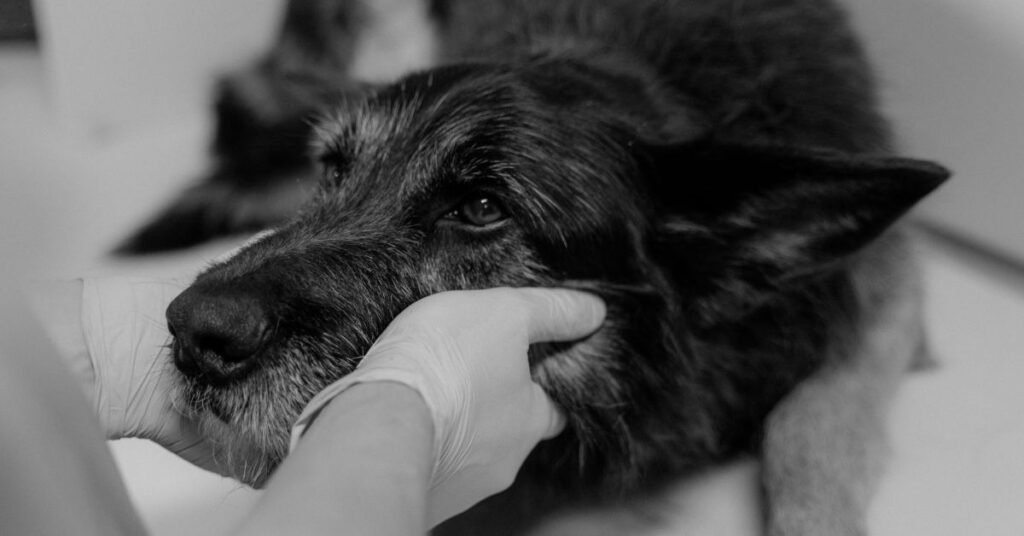
If you find a lump on your dog, stay calm. Not all lumps are dangerous. First, check the size and feel of the bump. See if it is soft or hard. Watch if your dog feels pain when you touch it. It is also helpful to note when you first noticed it.
Do not try to treat the lump at home. Avoid squeezing or pressing it too much. Keep an eye on any changes like growth, redness, or bleeding. The best step is to visit a vet as soon as possible. Early checking can help catch serious problems in time.
Step-by-Step Actions Before the Vet Visit
If you find a lump on your dog, do not panic. Stay calm and observe the bump closely. Try to notice its size, shape, and texture. Check if your dog shows pain when you touch it. These small details can help the vet understand the problem better.
Before the vet visit, you can take a few simple steps at home. These actions will help you track any changes and give clear information to the vet.
- Measure the size of the lump with a ruler
- Take clear photos to track changes
- Note the date when you first saw it
- Watch for growth, redness, or bleeding
- Check your dog’s behavior and energy level
- Avoid pressing or squeezing the lump
How to Track Changes and Protect the Area
Keep a close eye on the lump every day. Watch for even slight changes in size, color, or shape. Even slow growth can be important. Write down what you notice in simple notes. This helps you share clear details with your vet later.
Try to keep the area safe from irritation. Stop your dog from licking, biting, or scratching it. You can gently cover it if needed, but keep it breathable. Make sure the skin stays clean and dry. If the lump looks sore or open, avoid touching it and contact your vet quickly.
Treatment Options and Prevention Tips
Treatment for dog lumps depends on what the vet finds. Some lumps are harmless and only need regular chitselfking. Others may need medicine or surgery. In some cases, cancer treatment like chemotherapy is required. The vet will choose the safest and most effective plan for your dog.
Prevention is not always possible, but good care helps reduce risk. Regular vet visits are very important. At home, check your dog’s skin often. A healthy diet and clean environment also support better health. Early action can make a big difference.
| Treatment Option | Description | When It Is Used | Main Benefit |
| Observation | Watch the lump over time | Small or harmless lumps | Avoid unnecessary treatment |
| Medication | Drugs for infection or swelling | Infected or inflamed lumps | Reduce pain and swelling |
| Surgery | Remove the lump completely | Growing or suspicious lumps | Stop further problems |
| Biopsy | Testing lump tissue | To confirm cancer or not | Accurate diagnosis |
| Chemotherapy | Cancer-fighting drugs | Advanced cancer cases | Slow or stop cancer spread |
| Radiation Therapy | Targeted energy treatment | Hard-to-remove tumors | Shrink tumor size |
Ways to Reduce Future Cancer Risks in Dogs
You can lower the risk of cancer in dogs with good daily care. A healthy lifestyle is very important for prevention. Regular vet visits also help detect problems early. Early action can protect your dog’s long-term health. Simple habits can make a big difference over time.
There is no full guarantee to prevent cancer, but you can reduce the risk. Focus on balanced care, clean living, and routine checks. Small changes in daily life can help keep your dog stronger and healthier.
- Feed a balanced and high-quality diet.
- Keep your dog at a healthy weight
- Schedule regular vet checkups
- Avoid exposure to harmful chemicals
- Give daily exercise and activity
- Check your dog’s skin and body often
- Act quickly if you notice any changes
Conclusion
Finding a lump on your dog can be scary. But not every lump is dangerous. Some are harmless and grow slowly. Still, it is always important to stay alert.
Early check-ups make a big difference. A vet can find the real cause quickly. This helps in starting the right treatment on time. It also improves your dog’s chances of recovery.
Never ignore changes in size, shape, or color. Watch your dog closely every day. Small signs can sometimes point to bigger problems. Quick action is always the safest choice.
In the end, regular care and attention protect your dog’s health. Keep visits to the vet on time. Stay calm, stay observant, and always choose early care.
FAQs
1. Are all lumps on dogs cancerous?
No, not all lumps are cancerous. Many lumps are harmless, like fatty tumors or cysts.
However, only a vet can confirm the exact cause. It is always best to get it checked early.
2. When should I take my dog to the vet for a lump?
You should visit the vet as soon as you notice a new lump. Also, go if it grows quickly, bleeds, or causes pain. Early checks help prevent serious problems.
3. Can I treat my dog’s lump at home?
No, you should never treat a lump at home.
Squeezing or applying home remedies can make it worse. A vet should always examine it first.
4. How do vets check if a lump is dangerous?
Vets use physical exams and tests like needle sampling or biopsy.
These tests help determine if the lump is harmless or cancerous. It gives a clear diagnosis for treatment.
5. Can dog cancer be treated if found early?
Yes, early detection improves treatment success.
Vets may use surgery, medicine, or other therapies. Quick action gives your dog a better chance of recovery.

DogsVibes Editorial Team creates trusted, research-based dog care content to help pet owners keep their dogs healthy, happy, and safe.