

Introduction
A dog not drinking water means your pet is not taking in enough fluids to stay healthy. Water is essential for your dog’s body. It helps with digestion, temperature control, and overall health. When a dog stops drinking, it can quickly lead to dehydration and other serious problems.
This can be scary for any dog owner. You may notice your dog ignoring their water bowl or drinking much less than usual. It may seem small at first, but it can be a warning sign. Some causes are mild, while others need urgent attention. Knowing the signs early can make a big difference.
In this article, you will learn the common reasons why dogs stop drinking water. You will also discover urgent signs to watch for and simple ways to help your dog stay hydrated. Taking quick action can protect your dog’s health and keep them safe.
Why Is My Dog Not Drinking Water?
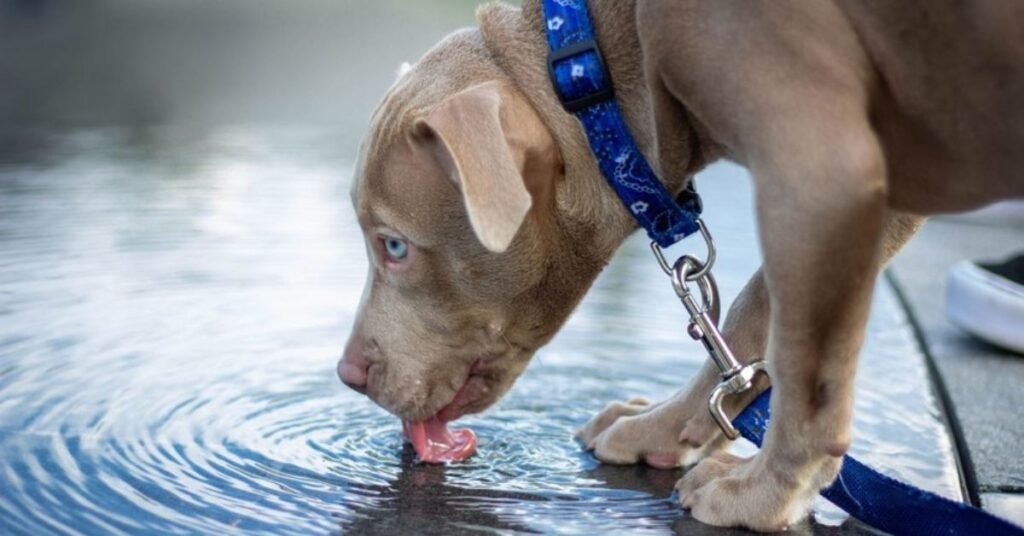
When a dog suddenly avoids water, it usually means something in its routine or body has changed. Dogs are sensitive to even small differences. A different bowl, new location, or strange smell in the water can make them stop drinking. Some dogs also reduce water intake when they feel calm, less active, or when the weather is cooler than usual.
Possible everyday reasons include:
- Sudden change in environment or home
- Water bowl placement feels unsafe or noisy
- Less exercise than normal
- Weather is not hot, so thirst is low
- Getting moisture from wet food
But sometimes, the reason is deeper than habits. A dog may avoid water when it is not feeling well. Pain in the mouth, stomach discomfort, or fever can reduce thirst. In more serious cases, internal illness can also affect hydration. If your dog looks tired, refuses food, or behaves differently, it is a warning sign that needs attention.
Common Causes Behind Low Water Intake
Some dogs drink less water because of small daily changes. Weather can affect their thirst. In cooler days, they may not feel very thirsty. Less exercise also means less need for water. A new place or routine can make a dog feel uneasy. This can reduce how much they drink.
Health and food habits can also be the reason. Dogs that eat wet food get extra moisture from meals. This makes them drink less water. Mouth pain or gum issues can make drinking uncomfortable. If a dog feels unwell, it may avoid water. Always look for other signs to understand the cause.
- Cold or mild weather
- Low physical activity
- Wet or canned food diet
- Stress or change in routine
- Dental pain or gum problems
- Illness or low energy
Behavioral vs Medical Reasons
Some dogs drink less water بسبب behavior changes. These are usually simple and not serious. A dog may feel stressed in a new place. Changes in routine can also affect drinking habits. Less activity means less thirst. Many of these causes can be fixed with small adjustments at home.
Medical reasons can be more serious and need attention. Illness can reduce a dog’s desire to drink. Pain in the mouth or body can make drinking hard. Fever or infections can also affect water intake. If your dog shows other symptoms, it is important to act quickly and consult a vet.
| Type | Cause | What It Means | What You Can Do |
| Behavioral | Change in routine | Dog feels confused or stressed | Keep a stable daily schedule |
| Behavioral | New environment | Anxiety reduces water intake | Give time to adjust |
| Behavioral | Low activity | Less need for hydration | Encourage light exercise |
| Behavioral | Weather change | Less thirst in cooler conditions | Monitor but do not worry too much |
| Behavioral | Wet food diet | Getting moisture from food | Ensure fresh water is always there |
| Medical | Dental problems | Pain while drinking | Check mouth and visit vet |
| Medical | Fever or infection | Body feels weak and tired | Seek vet care immediately |
| Medical | Digestive issues | Discomfort reduces drinking | Monitor symptoms |
| Medical | Kidney problems | Affects hydration balance | Urgent vet consultation |
| Medical | General illness or weakness | Low energy and appetite | Proper diagnosis needed |
How Much Water Should a Dog Drink Daily?
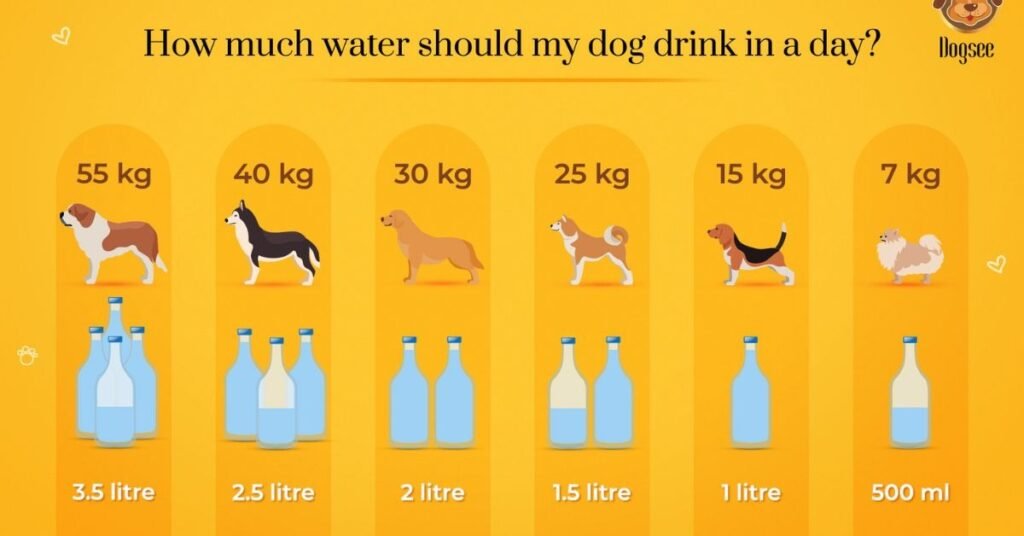
Dogs need a certain amount of water every day to stay healthy. A simple rule is about 50–60 ml of water per kilogram of body weight. Small dogs drink less, while big dogs need more. Active dogs also drink more water than lazy ones. Weather plays a role too, as dogs drink more in hot days.
Food type also affects water intake. Dogs eating dry food will drink more water. Dogs on wet food may drink less because they get moisture from meals. Always make sure fresh and clean water is available. If your dog drinks too little or too much, it is good to monitor closely.
Water Needs by Size, Age, and Activity
Water needs can change based on a dog’s size, age, and daily activity. Small dogs need less water than large dogs. Puppies may drink more because they are growing and active. Older dogs may drink less, especially if they move slowly. Active dogs lose more water, so they need to drink more to stay hydrated.
Lifestyle also plays an important role. Dogs that run, play, or exercise daily will feel more thirsty. Dogs that rest most of the day may drink less. Weather and health also affect water needs. Always watch your dog’s habits and adjust when needed.
| Size | Age Group | Activity Level | Daily Water Need (Approx.) | Notes |
| Small (1–10 kg) | Puppy | High | 70–80 ml per kg | Growing and very active |
| Small (1–10 kg) | Adult | Moderate | 50–60 ml per kg | Normal daily needs |
| Small (1–10 kg) | Senior | Low | 40–50 ml per kg | May drink less due to low activity |
| Medium (10–25 kg) | Puppy | High | 70–80 ml per kg | Needs more due to growth |
| Medium (10–25 kg) | Adult | Moderate | 50–60 ml per kg | Balanced hydration needed |
| Medium (10–25 kg) | Senior | Low | 40–50 ml per kg | Monitor closely for dehydration |
| Large (25+ kg) | Puppy | High | 70–90 ml per kg | High energy and growth stage |
| Large (25+ kg) | Adult | Moderate | 50–70 ml per kg | Needs more due to body size |
| Large (25+ kg) | Senior | Low | 40–60 ml per kg | Watch for health-related changes |
| Any Size | Any Age | Very Active | +10–20% extra | Exercise increases water loss |
| Any Size | Any Age | Hot Weather | +15–30% extra | Heat increases thirst |
| Any Size | Any Age | Sick/Recovering | Varies | May need vet advice for proper hydration |
Factors That Affect Hydration Levels
Many things can affect how much water a dog needs each day. Weather is a big factor. Dogs drink more in hot conditions and less in cold weather. Activity level also matters. A dog that runs and plays will need more water than one that rests most of the time. Food type can also change hydration needs.
Health and environment also play a role. Dogs with illness may drink more or less water. Stress or changes in routine can reduce thirst. Clean water and bowl placement also matter. Always make sure water is fresh and easy to reach. Even small changes can have a big impact.
- Hot or cold weather
- Level of daily activity
- Type of food (dry or wet)
- Health conditions or illness
- Stress or routine changes
- Cleanliness of water bowl
- Easy access to fresh water
Signs of Dehydration in Dogs
Dehydration can be dangerous for dogs if not noticed early. It happens when the body loses more water than it takes in. A dehydrated dog may seem weak and tired. Its mouth and nose may feel dry. You may also notice less interest in food or play.
Some signs are easy to see if you look closely. The skin may lose its stretch and stay up when gently pulled. Eyes can look dull or sunken. Panting and fast breathing may also happen. Always act quickly if you notice these signs.
- Dry gums and nose
- Low energy or weakness
- Loss of appetite
- Sunken or dull eyes
- Skin losing elasticity
- Excessive panting
- Thick or sticky saliva
Early Warning Signs to Watch
Early signs of dehydration in dogs can be mild and easy to miss. A dog may seem a little tired or less active than usual. It may not feel like eating or playing. The nose and gums can start to feel slightly dry. These small changes often appear before serious symptoms.
Watching your dog closely can help you act early. A dog may drink less or ignore its water bowl. You might notice slower movement or less excitement. Catching these signs early can prevent bigger health problems. Quick care can keep your dog safe and healthy.
- Slight dryness in gums or nose
- Low energy or mild weakness
- Less interest in food
- Reduced activity or play
- Drinking less water than usual
- Dull-looking eyes
Severe Dehydration Symptoms
Severe dehydration in dogs is a serious condition. It can become life-threatening if not treated quickly. A dog may become very weak and unable to stand. Its eyes may look deeply sunken. The gums can feel very dry and sticky. Breathing may become fast or heavy.
In some cases, the dog may collapse or stop responding. The skin may not return to normal when gently pulled. Heart rate can increase, and the body may feel cool. These signs mean urgent help is needed. A vet should be contacted immediately.
- Very dry and sticky gums
- Extreme weakness or collapse
- Deeply sunken eyes
- Skin stays raised when pulled
- Rapid heartbeat
- Fast or heavy breathing
- Unresponsiveness
What to Do If Your Dog Is Not Drinking Water
If your dog is not drinking water, start with simple steps. Check if the water is clean and fresh. Change the bowl and place it in a quiet spot. You can also try offering water by hand or adding a little flavor like low-salt broth. Sometimes small changes can encourage your dog to drink again.
Watch your dog closely for any other signs. If your dog is eating and acting normal, it may not be serious. Try giving wet food to increase moisture. Keep the environment calm and comfortable. If your dog still refuses water for more than a day or shows signs of illness, contact a vet quickly.
Immediate Steps You Can Take at Home
If your dog is not drinking water, you can try some simple steps at home. Start by checking the water bowl.Make sure it is clean and has fresh water in it. Move the bowl to a quiet place where your dog feels safe. Sometimes dogs avoid water because of noise or stress. You can also try giving water in a different bowl.
You can encourage drinking in gentle ways. Offer small amounts of water more often. Try adding a small amount of flavor to the water.You can also give wet food to increase fluid intake. Keep your dog calm and comfortable while you observe.
- Provide fresh and clean water
- Change the water bowl
- Place bowl in a quiet area
- Offer water in small amounts
- Add a little low-salt broth (if needed)
- Give wet or moist food
- Keep the environment stress-free
How to Safely Rehydrate Your Dog
If your dog is dehydrated, you should help it drink water slowly. Do not force large amounts at once. Offer small sips of fresh water at regular times. You can also use an ice cube for licking. This can make drinking easier and more comfortable for your dog.
You can also support hydration in simple ways at home.Wet food can help boost fluid intake.. Some dogs may accept diluted broth if approved. Always watch your dog’s reaction and stop if it feels uncomfortable. If symptoms are serious, contact a vet immediately.
- Give small sips of water often
- Offer ice cubes for licking
- Use wet or moist food
- Try diluted low-salt broth (if safe)
- Keep water easily available
- Monitor your dog closely
How to Get Your Dog to Drink More Water
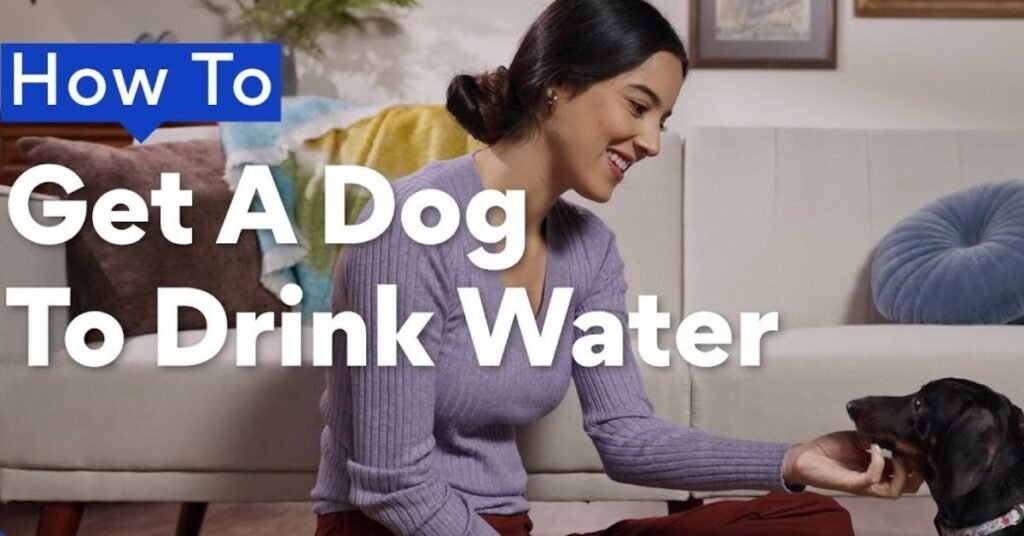
You can encourage your dog to drink more water by making it more attractive. Always keep fresh and clean water available. Try using a different bowl or placing it in a quiet spot. Some dogs like moving water, so a pet fountain can help. You can also add a little flavor like low-salt broth to make it more appealing.
Daily habits also matter a lot. Offer water after walks, playtime, or meals. Add wet food to increase overall fluid intake. You can even give ice cubes for licking on hot days. Keep your dog comfortable and stress-free so it feels safe to drink.
Simple Tricks to Encourage Drinking
You can use easy tricks to make your dog drink more water. Try changing the water bowl to a clean and different style bowl. Some dogs like wide bowls, while others prefer shallow ones. You can also place water in more than one spot in the house. This makes it easier for your dog to find and drink.
You can also make water more interesting for your dog. Add a small amount of low-salt broth for flavor. Give ice cubes for licking on hot days. Offer water after walks or playtime when your dog feels thirsty. Keep the water fresh and change it often.
- Use a clean and different bowl
- Place water in multiple locations
- Add a small amount of flavor (if safe)
- Offer ice cubes for licking
- Give water after exercise
- Keep water fresh and clean
Feeding and Hydration Tips That Work
Good feeding habits can help improve your dog’s hydration. Wet food is a great option because it contains extra moisture. You can also mix a little water into dry food. This helps your dog get more fluids without extra effort. Feeding at regular times also supports healthy drinking habits.
Hydration works best when combined with daily care. Always provide fresh water with every meal. Encourage drinking after exercise or walks. Keep food and water bowls clean to avoid refusal. Small changes in diet and routine can make a big difference in hydration.
- Use wet or moist food
- Mix water with dry kibble
- Offer fresh water with every meal
- Encourage drinking after exercise
- Keep bowls clean and fresh
- Maintain a regular feeding schedule
When to Worry and Call a Veterinarian
You should start worrying if your dog is not drinking water for a long time. If it lasts more than 24 hours, it can be serious. Look for other signs like tiredness, vomiting, or diarrhea. Dry gums and sunken eyes are also warning signs. These symptoms mean your dog may be dehydrated or sick.
Call a veterinarian quickly if the condition does not improve. Do not wait if your dog looks weak or refuses both food and water. Sudden changes in behavior should also be taken seriously. Early treatment can prevent bigger health problems. Quick action can protect your dog’s life.
How Long Can a Dog Go Without Water?
A dog can survive only a short time without water. Most dogs start to feel weak within 24 hours. Dehydration can begin quickly, especially in hot weather. Small puppies and sick dogs are at higher risk. Even a short lack of water can affect their health.
After 2 to 3 days without water, the situation becomes very dangerous. Organs can start to fail if the dog is not treated. Every dog is different, but water is always urgent for survival. That is why fresh water should always be available. Quick action is very important if your dog stops drinking.
Emergency Signs You Should Not Ignore
Some signs show that your dog needs urgent medical help. These signs should never be ignored. They can mean serious dehydration or illness. If you notice these symptoms, act quickly. Waiting can make the condition worse.
A dog may become very weak or stop responding. Breathing may become fast or difficult. The gums may look very dry and pale. The eyes may appear deeply sunken. In these cases, you should contact a vet immediately.
- Extreme weakness or collapse
- No response or unusual behavior
- Very dry or pale gums
- Deeply sunken eyes
- Fast or difficult breathing
- Continuous vomiting or diarrhea
- Refusing both food and water
How to Prevent Dehydration in Dogs
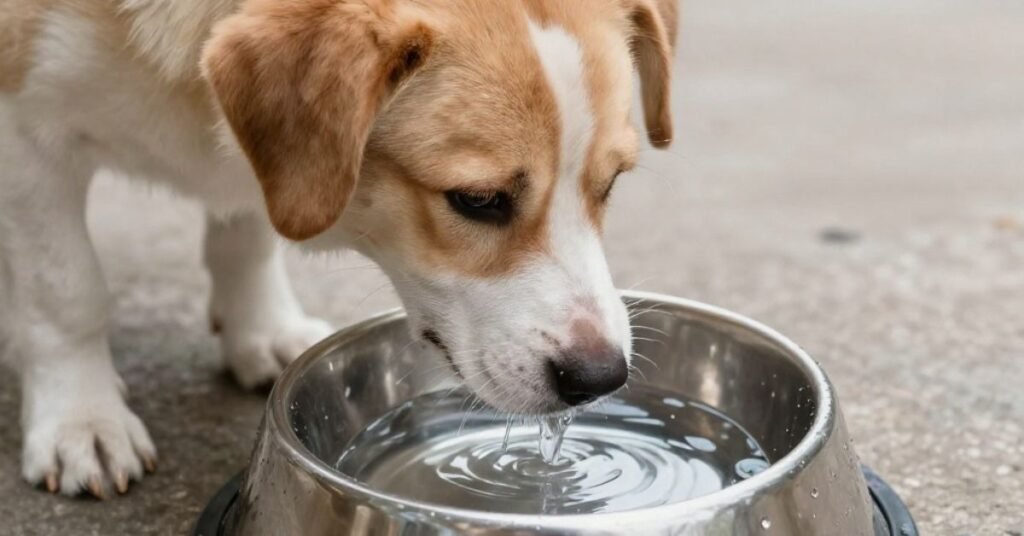
Preventing dehydration is important for your dog’s health. Always provide fresh and clean water throughout the day. Make sure your dog can easily reach the water bowl. Change the water regularly to keep it fresh. In hot weather, offer more water than usual.
Good daily habits also help a lot. Give water after walks, playtime, and meals. Add wet food to increase fluid intake. Keep your dog cool during warm days. Watch your dog’s drinking habits so you can notice any change early.
Daily Hydration Habits for Dogs
Good daily habits help keep your dog healthy and well hydrated. Always provide fresh water from morning to night. Make it a routine to check the water bowl several times a day. Dogs drink more when water is clean and easy to reach. Consistency is very important for healthy hydration.
You can also build simple habits into your dog’s daily routine. Offer water at regular times during the day. Give extra water after walks, play, and meals. Keep water bowls in more than one place if needed. These small habits help prevent dehydration.
- Always provide fresh water
- Check water bowl multiple times daily
- Offer water after exercise and meals
- Keep bowls clean and easy to reach
- Place water in different spots if needed
- Maintain a consistent routine
Special Care for Puppies and Senior Dogs
Puppies and senior dogs need extra care for proper hydration. Puppies are active and growing fast, so they lose water quickly. They need frequent access to fresh water. Senior dogs may drink less due to low activity or health issues. They also need gentle reminders to stay hydrated.
Both age groups should be monitored closely. Always check their water intake daily. Make water easy to reach at all times. Watch for any signs of dehydration. Small changes in behavior should not be ignored.
| Age Group | Hydration Needs | Common Issues | Care Tips | Warning Signs |
| Puppies | High water needs due to growth and activity | Quick dehydration, play-related water loss | Offer water often, keep bowl nearby | Dry nose, low energy, less play |
| Adult Dogs | Moderate water needs | Stress or routine changes | Maintain regular water schedule | Reduced drinking, mild tiredness |
| Senior Dogs | Needs vary, often lower intake | Kidney issues, dental pain, low thirst | Provide easy access, soft water options | Weakness, sunken eyes, dry gums |
| All Ages | Depends on weather and activity | Heat stress or illness | Increase water in hot weather | Panting, dehydration signs |
Conclusion
Keeping your dog hydrated is very important for good health. If you notice a Dog Not Drinking Water, it should never be ignored. Water helps the body work properly and supports energy, digestion, and overall comfort. Even small changes in water intake can be a sign that something is wrong.
Always make sure fresh water is available throughout the day. Dogs often need more water during hot weather or after exercise. Wet food may also help improve hydration levels. Simple daily care can reduce the risk of dehydration and other health problems.
Pay close attention to your dog’s drinking habits. Early signs linked to a Dog Not Drinking Water problem may include dry gums, weakness, tiredness, or loss of energy. Fast action can help prevent more serious complications.
If your dog refuses water for a long period, contact a veterinarian as soon as possible. Professional care is important when a Dog Not Drinking Water issue continues or becomes severe. Early treatment is always safer and can help keep your dog healthy, active, and happy.
FAQs
1. Why is my dog not drinking water?
Your dog may not drink water due to stress, weather change, or low activity. Sometimes wet food also reduces thirst. In some cases, illness can be the reason. Always check for other symptoms.
2. How can I tell if my dog is dehydrated?
Common signs include dry gums, tiredness, and sunken eyes. Your dog may also lose energy or stop eating. Skin may not return quickly when gently pulled. These are warning signs.
3. Can dogs go a full day without water?
Most dogs should not go more than 24 hours without water. They can quickly become weak and dehydrated.Puppies and sick dogs are at higher risk. Always provide fresh water daily.
4. What foods help with hydration?
Wet food is very helpful because it contains moisture. You can also mix a little water with dry food. Some dogs also drink flavored broth if it is safe. These help increase fluid intake.
5. When should I take my dog to the vet?
If your dog refuses water for more than a day, see a vet. Also look for vomiting, weakness, or dry gums. These signs may be serious. Early treatment is always best.

DogsVibes Editorial Team creates trusted, research-based dog care content to help pet owners keep their dogs healthy, happy, and safe.