

Introduction
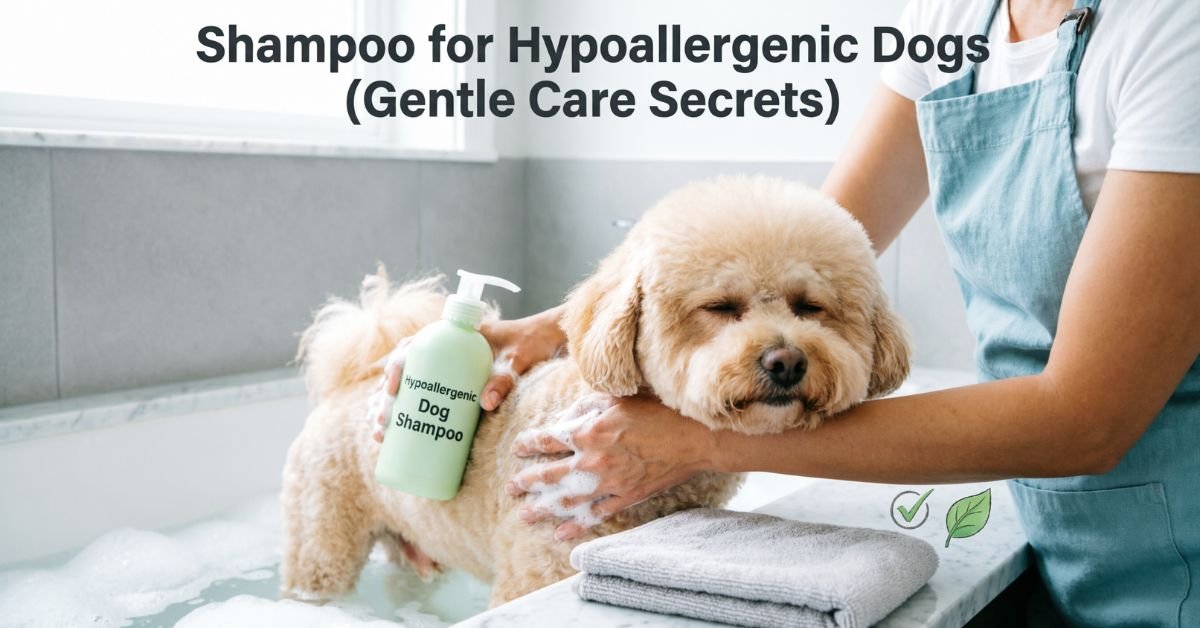
Shampoo for hypoallergenic dogs is specially made for dogs with sensitive skin. These shampoos use gentle ingredients that are less likely to cause irritation or allergies. Many regular dog shampoos contain strong chemicals or fragrances. Hypoallergenic shampoos avoid these harsh ingredients. They help keep a dog’s coat clean while protecting the skin.
Many dogs suffer from itching, dryness, or skin allergies. Bathing them with the wrong shampoo can make these problems worse. That is why choosing the right shampoo is very important. Dog owners often look for products that are safe, mild, and recommended by veterinarians.
In this guide, we will explore the best shampoo for hypoallergenic dogs. You will learn which ingredients are helpful and which ones to avoid. We will also share vet-recommended picks that are gentle and effective. This information can help you choose the right product to keep your dog’s skin healthy and comfortable.
Why Hypoallergenic Dog Shampoos Are Important

Hypoallergenic dog shampoos are specially designed for dogs that have sensitive or allergy-prone skin.Some dogs react badly to strong chemicals or artificial fragrances. These ingredients can cause itching, redness, or dryness. A hypoallergenic shampoo uses gentle ingredients that are less likely to irritate the skin. It helps clean the coat while keeping the skin calm and comfortable.
Using the right shampoo can make a big difference for your dog’s health. Dogs with allergies often scratch or lick their skin a lot. This may lead to skin infections or painful irritated spots.A mild and soothing shampoo helps reduce irritation and supports healthy skin. It also keeps your dog’s coat soft, clean, and fresh.
Common Skin Allergies and Irritation in Dogs
Many dogs suffer from skin allergies and irritation. These problems can make a dog feel very uncomfortable.Dogs may frequently scratch, lick, or chew on their skin.Allergies can be caused by food, pollen, dust, or certain grooming products. When the skin reacts to these triggers, it can become red, dry, or itchy.
Skin irritation can also appear as rashes, bumps, or flaky skin. Some dogs may lose small patches of fur because of constant scratching. Using gentle grooming products and keeping the skin clean can help reduce these problems. Dog owners should also watch for signs of irritation and act early if symptoms appear.
| Skin Problem | Common Symptoms | Possible Causes | What Owners May Notice |
| Itchy Skin (Pruritus) | Constant scratching, licking, biting | Allergies, dry skin, parasites | Dog scratching frequently |
| Red or Inflamed Skin | Red patches, warm skin | Allergic reactions, irritation | Visible redness on belly or paws |
| Dry and Flaky Skin | White flakes, rough coat | Weather changes, harsh shampoo | Dandruff-like flakes on fur |
| Skin Rash | Small bumps or irritated spots | Allergens, chemicals, insect bites | Dog rubbing against furniture |
| Hair Loss (Alopecia) | Thin coat or bald spots | Excess scratching, allergies | Missing fur patches |
| Hot Spots | Moist, painful sores | Bacteria from scratching | Dog licking one area repeatedly |
| Swelling or Irritation | Puffy or sensitive skin | Environmental triggers | Dog avoiding touch in that area |
| Excessive Licking | Constant licking of paws or body | Skin discomfort, allergies | Wet or stained fur from saliva |
How Hypoallergenic Shampoos Help Sensitive Skin
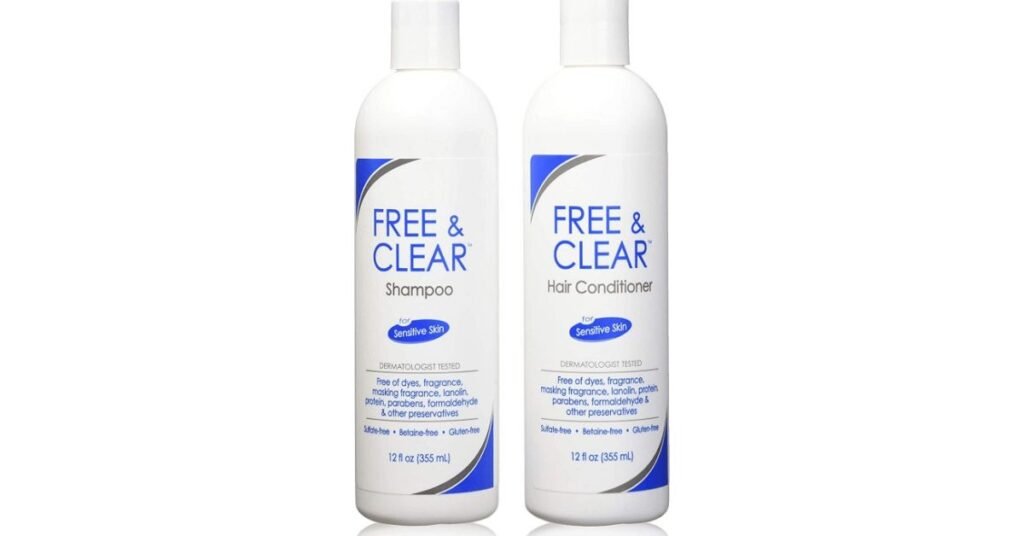
Hypoallergenic shampoos are specially made for dogs with delicate skin. They skip strong chemicals, artificial scents, and dyes that can cause irritation. Using them can calm redness, reduce itching, and make your dog feel more comfortable.
These shampoos help moisturize and care for your dog’s coat.They help repair dry or flaky skin while protecting the natural skin barrier. With regular baths, sensitive skin stays healthy, soothing your dog and preventing future flare-ups.
What Makes a Shampoo Hypoallergenic for Dogs
A hypoallergenic dog shampoo is designed to be gentle and safe. It avoids ingredients that often cause allergies or irritation. These shampoos focus on keeping your dog’s skin healthy without harsh chemicals.
Key features include:
- Free from artificial fragrances and dyes
- No harsh detergents or sulfates
- Contains soothing and moisturizing ingredients
- Tested for sensitive skin
- Helps reduce redness and itching
Gentle and Skin-Friendly Ingredients
Hypoallergenic dog shampoos use ingredients that are gentle on the skin. They avoid harsh chemicals that can cause irritation. Instead, they include natural and soothing components to calm redness and dryness. Regular use helps maintain healthy, soft skin and a shiny coat.
Some common gentle ingredients include:
| Ingredient | Benefit for Dogs | Notes |
| Aloe Vera | Soothes irritation and moisturizes | Safe for most dogs |
| Oatmeal | Reduces itching and dryness | Ideal for sensitive skin |
| Chamomile | Calms redness and inflammation | Gentle on delicate skin |
| Coconut Oil | Hydrates and nourishes coat | Adds shine and softness |
| Vitamin E | Supports skin repair | Helps prevent dryness |
| Calendula | Heals minor irritations | Natural anti-inflammatory |
Ingredients You Should Avoid in Dog Shampoo

Some ingredients in dog shampoos can irritate sensitive skin. Harsh chemicals, fragrances, and dyes may cause itching, redness, or rashes. Avoiding these helps protect your dog’s skin and coat health.
Common ingredients to avoid:
- Sulfates (SLS/SLES) – Can strip natural oils from the skin
- Artificial fragrances – Often trigger allergies or irritation
- Parabens – May cause skin reactions in sensitive dogs
- Alcohol – Dries out skin and coat
- Essential oils in high concentrations – Can be toxic to some dogs
- Dyes or colorants – Unnecessary and irritating
Benefits of Using Hypoallergenic Shampoo for Dogs
Hypoallergenic shampoos are designed to protect sensitive skin. They reduce itching, redness, and irritation. Regular use can help maintain a soft, healthy coat. These shampoos are gentle and safe for dogs prone to allergies or skin problems.
Key benefits include:
- Soothes irritated skin – Calms itching and redness
- Prevents allergic reactions – Gentle on sensitive dogs
- Moisturizes and nourishes – Keeps coat soft and shiny
- Safe for puppies and older dogs – Mild and non-toxic
- Supports skin healing – Helps minor irritations recover faster
Relief From Itching and Dry Skin
Hypoallergenic shampoos help calm itching and irritation. They moisturize dry skin and reduce flakiness. Regular baths with gentle shampoos can make your dog feel more comfortable and happy.
Common ingredients that provide relief:
| Ingredient | Benefit | Notes |
| Oatmeal | Soothes irritated skin | Gentle and safe for all breeds |
| Aloe Vera | Hydrates and cools | Helps reduce redness |
| Chamomile | Calms inflammation | Works well for sensitive skin |
| Coconut Oil | Moisturizes coat | Adds shine and softness |
| Vitamin E | Supports skin healing | Protects from dryness |
Healthier Coat and Skin Protection
Hypoallergenic shampoos help maintain a shiny, healthy coat. They strengthen the skin barrier and protect against irritants. Regular use can reduce hair breakage and prevent infections.
Ingredients that protect skin and coat:
| Ingredient | Benefit | Notes |
| Aloe Vera | Moisturizes and heals | Soothes sensitive skin |
| Oatmeal | Reduces inflammation | Gentle and safe |
| Coconut Oil | Adds shine and softness | Strengthens hair |
| Chamomile | Calms redness and irritation | Natural anti-inflammatory |
| Vitamin E | Supports skin repair | Protects against dryness |
| Glycerin | Hydrates skin | Prevents flaking |
How to Choose the Best Shampoo for Hypoallergenic Dogs
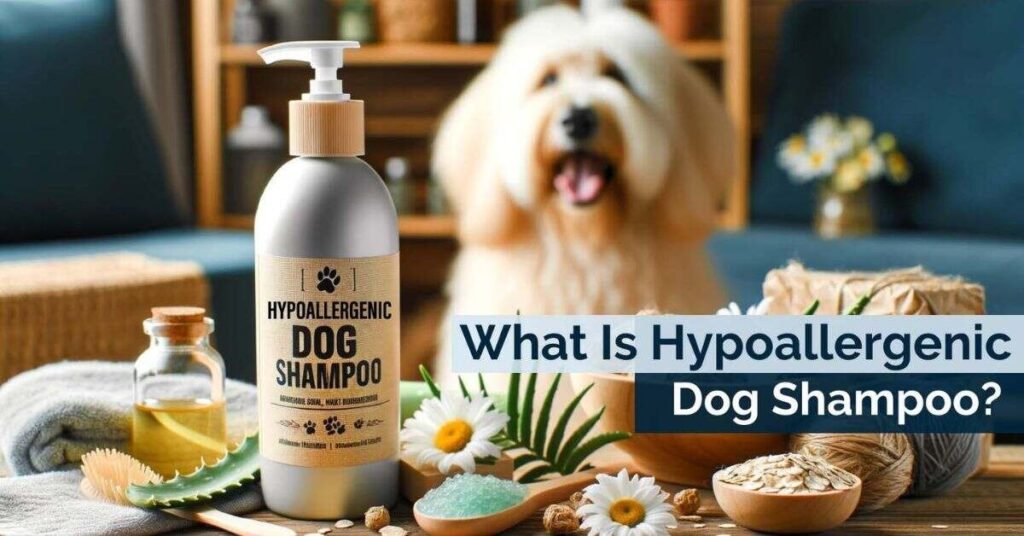
Not all dog shampoos are safe for sensitive skin. Look for products that are gentle, fragrance-free, and free from harsh chemicals. Ingredients like chamomile, aloe vera, and oatmeal can calm irritation and keep skin healthy. Avoid shampoos with sulfates, parabens, or artificial colors that may worsen allergies.
Think about your dog’s specific skin needs. Test a small amount first to see how your dog reacts. The right shampoo should reduce itching, strengthen the skin barrier, and make the coat soft and shiny. Picking the best hypoallergenic shampoo can make bath time safe and comfortable for your furry friend.
Check Ingredients and Safety Labels
Always read the ingredient list before buying a shampoo. Look for natural and gentle ingredients like oatmeal, aloe vera, or chamomile. Stay away from harsh chemicals like sulfates, parabens, and synthetic fragrances.These can irritate your dog’s skin or trigger allergies.
Safety labels tell you how the shampoo should be used. Check if it is vet-approved, fragrance-free, or made for sensitive skin. Try a small patch on your dog first to avoid any reactions.A careful review of ingredients and labels keeps your dog safe, clean, and comfortable.
| Ingredient Type | Safe for Sensitive Dogs | Why It Helps | Should Avoid? | Reason to Avoid |
| Oatmeal | Yes | Soothes itchy skin | No | N/A |
| Aloe Vera | Yes | Hydrates and calms skin | No | N/A |
| Chamomile | Yes | Reduces redness | No | N/A |
| Sulfates | No | Harsh detergent | Yes | Can irritate skin |
| Parabens | No | Preservative | Yes | May trigger allergies |
| Artificial Fragrances | No | Smells nice | Yes | Can cause irritation |
| Strong Essential Oils | Use with caution | Natural scent | Use with caution | May be too strong for some dogs |
Best Shampoo for Sensitive and Itchy Skin
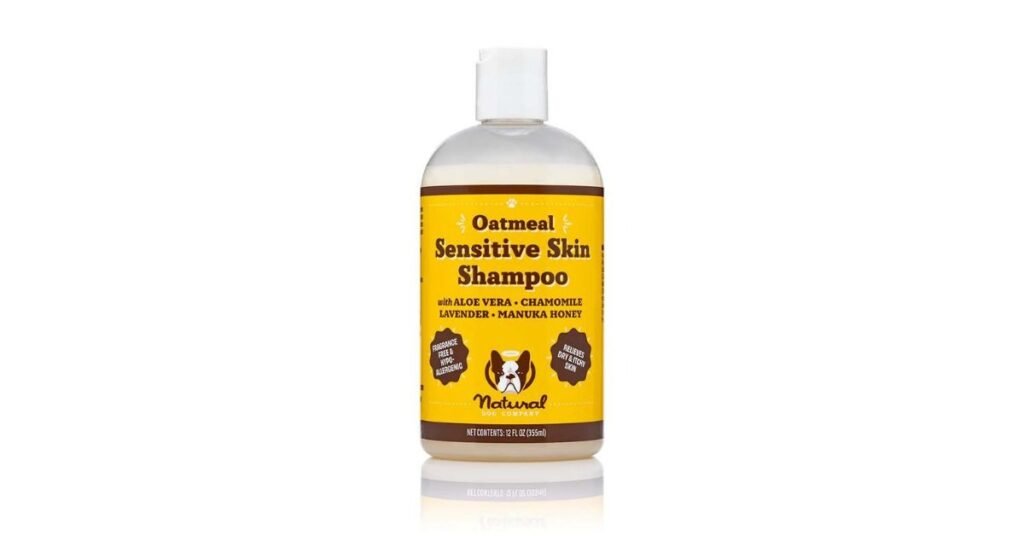
Dogs with sensitive or itchy skin need special care. The right shampoo soothes irritation and reduces scratching.It cleans your dog’s coat softly while keeping natural oils intact.. Using a gentle formula can calm redness and dryness.
Choose shampoos that include gentle moisturizers such as oatmeal or aloe.Avoid harsh chemicals and artificial fragrances. Regular use helps maintain healthy skin and a soft coat.
| Shampoo Name | Key Ingredients | Best For | Size | Price Range |
| Vet’s Best Hypo-Allergenic Shampoo | Aloe, Oatmeal, Vitamin E | Dry, itchy skin | 355ml | $12–$18 |
| Earthbath Oatmeal & Aloe Shampoo | Oatmeal, Aloe Vera | Sensitive skin | 473ml | $10–$15 |
| Burt’s Bees Hypoallergenic Shampoo | Oatmeal, Honey | Itchy, sensitive skin | 354ml | $9–$14 |
| TropiClean Gentle Coconut Shampoo | Coconut, Aloe | Softening & moisturizing | 473ml | $11–$16 |
| Veterinary Formula Clinical Care | Aloe, Vitamin E | Irritated, rash-prone skin | 355ml | $13–$20 |
How to Bathe a Dog With Hypoallergenic Shampoo
Bathing a dog with hypoallergenic shampoo takes gentle steps and care. First, brush your dog’s fur to remove tangles and loose hair. Use warm water to wet the coat evenly. Apply the shampoo slowly and massage it into the skin, focusing on itchy or sensitive areas. Avoid the eyes, ears, and mouth.Leave the shampoo on the skin for a few minutes to calm and nourish it.
Rinse your dog thoroughly to make sure no shampoo remains. Leftover residue can irritate sensitive skin. Gently towel dry or use a low-heat hair dryer. Don’t bathe too often, as it may dry the coat. Using hypoallergenic shampoo regularly helps protect the skin, reduce itching, and keep the coat soft and healthy.
How Often You Should Bathe Your Dog
Giving your dog baths too frequently can strip natural oils and dry out their skin.Most dogs do well with a bath every 3 to 4 weeks. Dogs with sensitive or itchy skin may need special care. Hypoallergenic shampoo can be used more often if your vet approves.
Keep an eye on your dog’s coat and skin. If it looks dirty or smells bad, it’s time for a bath. Puppies usually need fewer baths than adult dogs. Older dogs with dry skin may benefit from shorter, gentle baths. This helps keep their skin healthy and coat soft.
Additional Skin Care Tips for Dogs With Allergies
Dogs with allergies need gentle skin care. Their skin can get itchy, dry, or red. Bathing with a mild, hypoallergenic shampoo can help. Brushing their coat often removes dirt and loose hair. Keep their bedding and living area clean to reduce allergens. Watch for signs of scratching or licking, which can make irritation worse.
You can follow these tips to keep your dog comfortable:
| Tip | How to Do It | Why It Helps |
| Hypoallergenic Shampoo | Use once or twice a week | Reduces irritation from chemicals |
| Regular Brushing | Brush daily or a few times a week | Removes dirt, hair, and allergens |
| Clean Bedding | Wash weekly in hot water | Reduces dust mites and pollen |
| Moisturizing Creams | Apply vet-approved creams | Soothes dry and itchy skin |
| Limit Allergens | Keep dog indoors during high pollen | Prevents flare-ups |
| Omega-3 Supplements | Give as recommended by vet | Supports healthy skin and coat |
| Monitor Skin | Check daily for redness or sores | Early detection prevents infections |
Using Conditioners and Moisturizing Products
Conditioners and moisturizing products can help dogs with dry or itchy skin. They make the coat soft and reduce tangles. Using the right product can also protect the skin from irritation. Always choose dog-safe products. Human products can harm their skin.
Here are some tips for using these products:
| Product Type | How to Use | Benefits | Notes |
| Leave-in Conditioner | Spray lightly on damp coat | Keeps hair soft and manageable | Avoid eyes and mouth |
| Rinse-out Conditioner | Apply after shampoo, then rinse | Adds moisture and reduces dryness | Use 1–2 times per week |
| Moisturizing Creams | Apply on dry patches | Soothes itchiness and redness | Vet-approved only |
| Oatmeal Sprays | Spray on irritated areas | Reduces itching and inflammation | Good for sensitive skin |
| Coconut Oil | Rub a small amount into coat | Natural moisturizer, improves coat shine | Use sparingly |
| Aloe Vera Gel | Apply on hot spots | Calms irritation | Use pure, pet-safe aloe |
Maintaining a Healthy Skin Barrier
A strong skin barrier helps protect dogs from allergens and infections. Healthy skin keeps moisture in and irritants outHealthy skin locks in moisture and blocks irritants. Feeding a balanced diet with vitamins and fatty acids supports skin health. Avoid harsh chemicals on their coat or bedding, as these can damage the skin barrier.
Here are some ways to maintain healthy skin:
- Use gentle, dog-safe shampoos.
- Give omega-3 and omega-6 supplements if recommended by your vet.
- Keep the coat clean and brushed regularly.
- Avoid excessive bathing that can dry the skin.
- Watch for signs of irritation or infection and act early.
When to See a Veterinarian for Dog Skin Allergies

If your dog’s skin looks red, swollen, or has sores, it is time to see a vet. Constant scratching, licking, or chewing can make the problem worse. Some allergies can lead to infections if not treated early. A veterinarian can check the cause and give proper treatment.
You should also see a vet if your dog has hair loss or develops hot spots. Sudden changes in skin or coat health are signs something is wrong. The vet may recommend tests, medications, or special shampoos. Early care can make your dog more comfortable and prevent serious problems.
Medicated Shampoos and Professional Care
Medicated shampoos can help dogs with severe allergies or skin infections. They contain ingredients that reduce itching, redness, and bacteria. Always follow your vet’s instructions when using these shampoos. Overuse or wrong products can make skin worse. Professional care, including regular check-ups, keeps your dog’s skin healthy and prevents complications.
Here is a guide for using medicated shampoos and professional care:
| Type of Shampoo | How to Use | Benefits | Notes |
| Antibacterial | Apply 1–2 times per week | Reduces bacteria and infection | Use only as directed |
| Antifungal | Apply on affected areas | Treats yeast or fungal infections | Avoid contact with eyes |
| Anti-itch | Massage gently into coat | Relieves itching and inflammation | May need vet approval |
| Oatmeal-based | Use weekly | Soothes dry and irritated skin | Safe for sensitive dogs |
| Prescription Shampoos | Use as prescribed | Treats severe skin conditions | Follow vet’s instructions exactly |
| Professional Grooming | Regular vet or groomer visits | Helps maintain coat and skin health | Detects problems early |
Conclusion
Taking care of a dog’s skin is very important. Allergies can make dogs itchy, uncomfortable, and stressed. Using the right Shampoo for Hypoallergenic Dogs along with gentle care and a healthy diet helps keep their skin strong.
Watching your dog every day is key. Look for redness, hair loss, or constant scratching. Early attention can prevent serious problems. Regular use of a mild Shampoo for Hypoallergenic Dogs can help reduce irritation and keep the skin clean.
Medicated shampoos and professional care are sometimes needed. Vets can guide you on the best treatment, including choosing the right Shampoo for Hypoallergenic Dogs. Following their advice keeps your dog safe and comfortable.
Healthy skin makes your dog happy. Regular baths, brushing, and proper nutrition protect their coat and body. A high-quality Shampoo for Hypoallergenic Dogs can support long-term skin health and reduce allergy flare-ups.
With care and attention, your dog can live a happy, itch-free life. Choosing the best Shampoo for Hypoallergenic Dogs is a simple step that makes a big difference.
FAQS
1. What are common signs of skin allergies in dogs?
Redness, itching, hair loss, and constant scratching are common signs. You may also notice hot spots, bumps, or dry patches. Early detection helps prevent infections.
2. Can I treat my dog’s skin allergies at home?
Mild allergies can be managed with gentle shampoos, regular brushing, and clean bedding. Avoid human products and harsh chemicals. Severe cases need a veterinarian’s care.
3. How often should I bathe a dog with skin allergies?
Use a vet-approved or hypoallergenic shampoo 1–2 times per week, unless the vet recommends otherwise. Overbathing can dry the skin and worsen irritation.
4. Are medicated shampoos safe for all dogs?
Medicated shampoos are safe when used as directed by a veterinarian. Overuse or wrong products can harm the skin. Always follow the instructions carefully.
5. Can diet affect my dog’s skin health?
Yes. A balanced diet with omega-3 and omega-6 fatty acids supports healthy skin and coat. Sometimes, vets recommend special foods for dogs with allergies.
