

Introduction
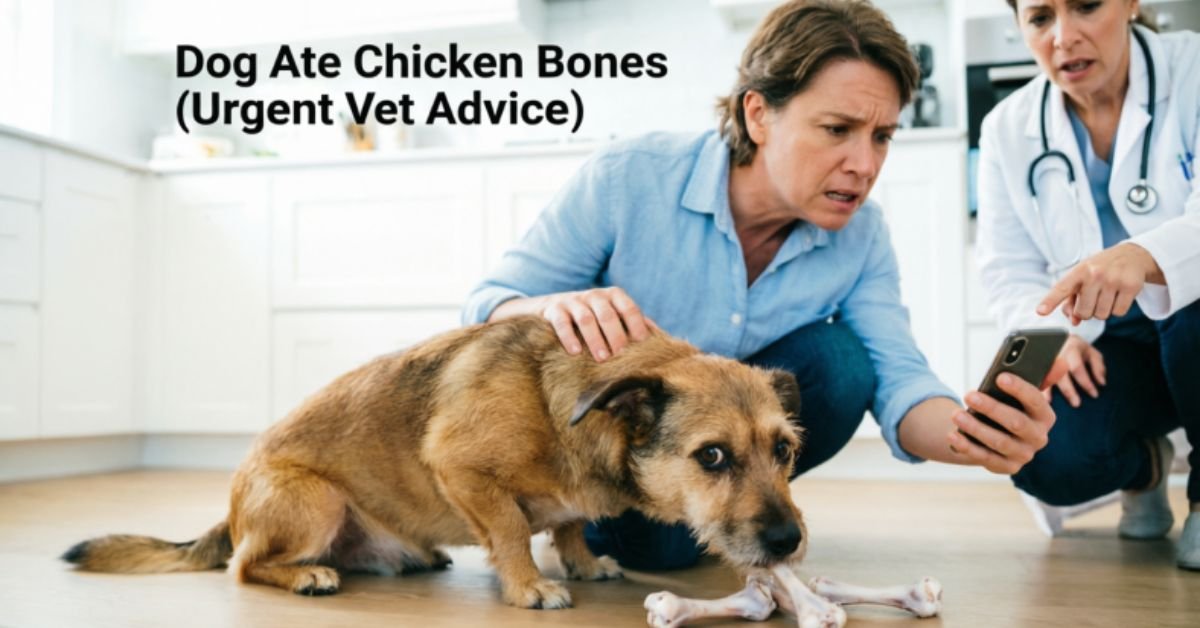
Sometimes dogs grab food quickly and eat things they should not. One common problem is when a dog ate chicken bones. Chicken bones can be small, sharp, and easy for dogs to swallow. Many dogs find them tasty because they smell like real meat. However, these bones can cause health problems if they break into sharp pieces inside the body.
This situation can make any dog owner worried. You may wonder if your dog will be okay or if you should call a vet right away. Chicken bones can sometimes lead to choking, stomach irritation, or blockage in the digestive system. Knowing the warning signs and the right steps to take can make a big difference for your dog’s safety.
In this guide, you will learn what to do if your dog eats chicken bones. We will explain the possible risks and when you should contact a veterinarian. You will also learn simple steps that may help protect your dog and prevent future accidents. This vet-approved emergency guide will help you stay calm and act quickly.
Dog Ate Chicken Bones?
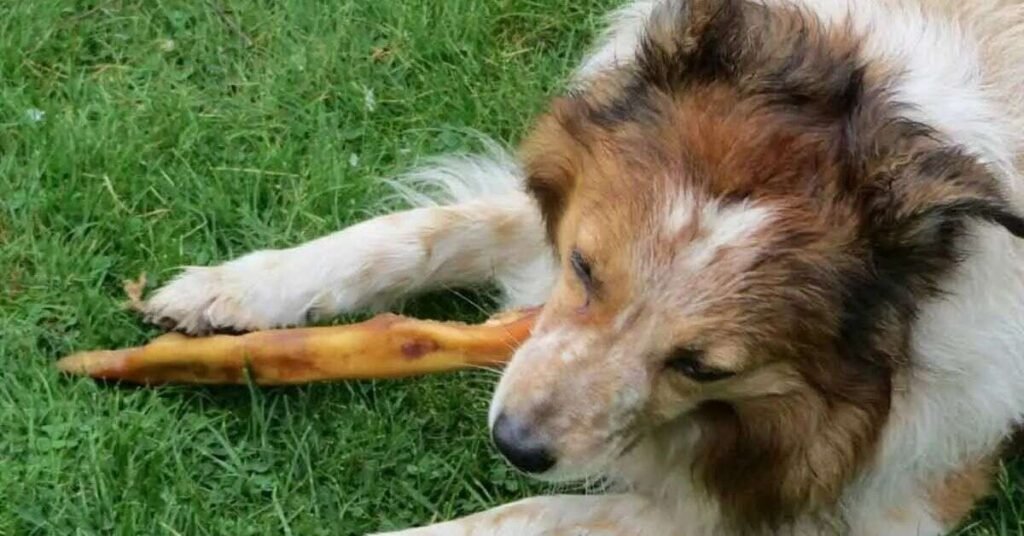
Dogs are curious and often eat things they should not. One common problem is when a dog ate chicken bones. Chicken bones can be small, sharp, and easy to swallow. They may look harmless, but they can break into pieces inside the dog’s stomach or intestines. This can cause serious health problems like choking or internal injury.
Not all chicken bones are the same. Raw bones are softer but still risky, while cooked bones are brittle and more likely to splinter. Even a small piece can cause damage if swallowed the wrong way. It is important to know the risks and watch your dog closely after eating chicken bones. Taking quick action can protect your dog from serious harm.
Why Chicken Bones Can Be Dangerous for Dogs
Chicken bones can be very risky for dogs because they are hard and sharp. When chewed, they can break into small pieces that may cut the mouth, throat, or digestive tract. Even if your dog seems fine, a small bone fragment can cause serious problems inside the stomach or intestines. Dogs that swallow bones quickly are at higher risk of choking or internal injury.
Here are the main dangers of chicken bones for dogs:
- Cooked bones splinter easily, which can pierce the stomach or intestines
- Choking hazard if a bone gets stuck in the throat
- Digestive blockage can cause vomiting, pain, or constipation
- Bacterial risk from raw bones, like Salmonella or E. coli
- Internal injuries may need emergency veterinary care
Vomiting, Diarrhea, or Constipation
When a dog eats chicken bones, the digestive system can get upset. Bones can irritate the stomach or intestines. This may cause vomiting, diarrhea, or constipation. Even small pieces of bone can lead to these problems. Some dogs may eat normally at first but show symptoms later. Watching your dog for these signs is very important.
Here is a table to help understand the possible digestive issues:
| Symptom | What It Means | Possible Cause | When to See a Vet |
| Vomiting | Dog throws up food or water | Bone irritation or blockage | If vomiting lasts more than 24 hours or blood is present |
| Diarrhea | Loose or watery stool | Digestive upset from bone fragments | If diarrhea persists for more than 1 day or contains blood |
| Constipation | Hard or infrequent stools | Bone fragments or blockage in intestines | If no bowel movement for 2 days or straining occurs |
| Stomach Pain | Whining, hunching, or reluctance to move | Bone causing internal injury | Immediate vet visit if severe or persistent |
| Loss of Appetite | Refusal to eat | Pain or discomfort from bone | If dog refuses food for more than 24 hours |
What Happens If a Dog Eats Chicken Bones
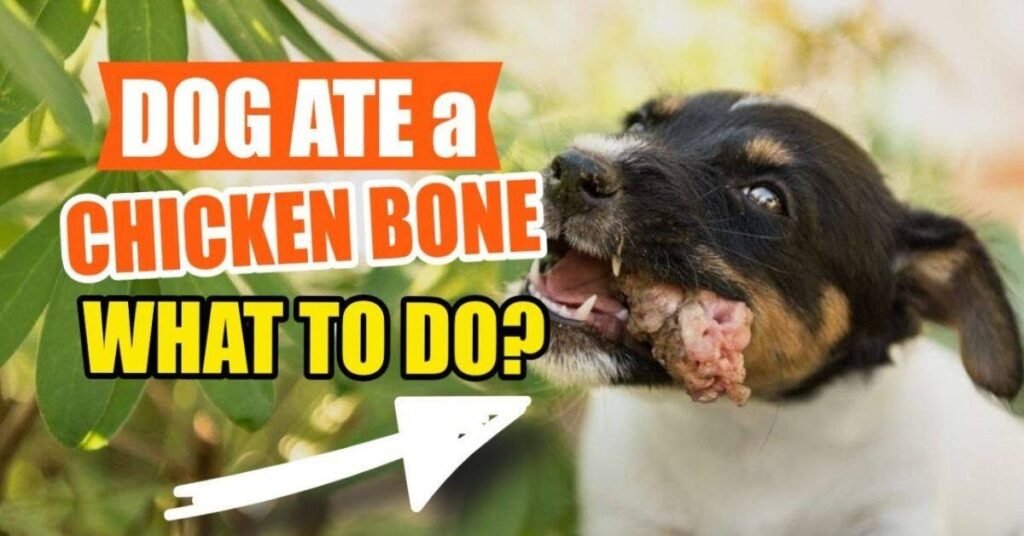
When a dog eats chicken bones, several problems can happen. Bones can splinter and cut the mouth, throat, or digestive tract. Small pieces may get stuck in the stomach or intestines, causing a blockage. This can lead to vomiting, constipation, or severe pain. Even if the dog seems fine at first, internal injuries can develop later.
Cooked bones are more dangerous than raw bones because they are brittle and break easily. Raw bones can carry bacteria like Salmonella, which may make your dog sick. Dogs that swallow bones quickly are at higher risk of choking. In some cases, surgery may be needed to remove a bone causing a blockage. Watching your dog carefully and knowing the warning signs is very important.
Possible Digestive Blockage
When a dog eats chicken bones, pieces can get stuck in the stomach or intestines. This is called a digestive blockage. A blockage can stop food and water from passing normally. It may cause vomiting, stomach pain, or constipation. If not treated quickly, it can become a serious health problem.
Here is a table to help recognize digestive blockage in dogs:
| Symptom | What It Shows | Possible Cause | Action Needed |
| Vomiting | Dog throws up repeatedly | Bone stuck in stomach or intestines | Contact your vet immediately |
| Constipation | Hard or infrequent stools | Bone fragments blocking intestines | Vet check required |
| Abdominal Pain | Whining, hunching, or guarding belly | Pressure from blockage | Immediate veterinary care |
| Loss of Appetite | Refuses food or water | Digestive discomfort | Monitor and call vet if persists |
| Lethargy | Unusual tiredness or weakness | Blockage affecting digestion | Seek vet attention quickly |
| Swelling | Distended or hard stomach | Bone obstruction | Emergency vet visit |
Esophagus or Intestinal Damage
Chicken bones can cause cuts or tears in a dog’s esophagus or intestines. Sharp fragments may pierce the digestive tract. This can lead to bleeding, pain, or infection. Even small pieces of bone can cause serious injuries inside the body. Dogs may swallow bones quickly, which increases the risk of damage.
Here is a table to help identify possible esophagus or intestinal damage:
| Symptom | What It Means | Possible Cause | Action Needed |
| Vomiting Blood | Blood in vomit | Bone has cut the esophagus or stomach lining | Immediate vet visit |
| Bloody or Dark Stool | Blood in feces | Intestinal tear or internal bleeding | Contact vet urgently |
| Abdominal Pain | Whining, hunching, reluctance to move | Bone puncture or irritation | Seek veterinary care |
| Difficulty Swallowing | Choking, gagging, or drooling | Esophagus damage from sharp bone | Emergency vet attention |
| Lethargy | Weakness or unusual tiredness | Internal injury affecting digestion | Monitor closely and call vet |
| Loss of Appetite | Refuses food or water | Pain from internal injury | Veterinary consultation needed |
Immediate Actions to Take If Your Dog Ate Chicken Bones
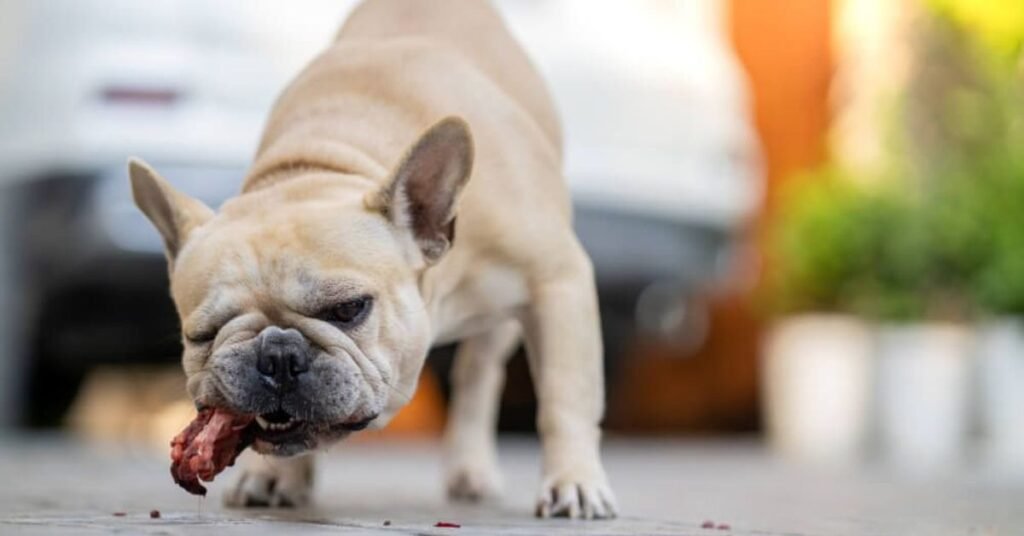
If your dog ate chicken bones, act quickly but stay calm. First, check your dog for choking or distress. If the dog is coughing, gagging, or having trouble breathing, it may need emergency help. Do not try to pull the bone out of the mouth yourself, as this can make it worse.
Next, monitor your dog closely for vomiting, abdominal pain, or unusual behavior. Keep the dog calm and hydrated while you contact your veterinarian. Do not give any home remedies or food to try to push the bone down. Your vet can guide you on the safe next steps to prevent serious complications.
When to Call Your Veterinarian
If your dog swallows chicken bones, it’s important to reach out to your veterinarian quickly. Even if your dog seems normal, the bones can scratch, puncture, or block parts of the digestive tract. Getting professional advice early can prevent serious health issues and keep your dog safe.
You should contact your vet immediately if you notice any of these warning signs:
- Coughing, choking, or gagging
- Vomiting or loose stools
- Stomach pain or swelling
- Blood in vomit or feces
- Unusual tiredness or lack of appetite
Steps to Keep Your Dog Safe at Home
If your dog ate chicken bones, there are steps you can take at home to keep them safe. First, stay calm and watch your dog closely. Do not try to make them vomit unless your vet specifically tells you to. Give your dog a quiet place to rest and keep them hydrated with small amounts of water.
You can also follow these safety tips:
- Remove any remaining bones from the area to prevent more accidents
- Feed soft, easy-to-digest food if your vet approves
- Monitor for vomiting, diarrhea, or constipation
- Check for signs of pain, bloating, or choking
- Keep emergency numbers handy, including your veterinarian and local animal hospital
What to Do If Your Dog Is Choking on a Chicken Bone

If your dog is choking on a chicken bone, act quickly but stay calm. Look inside the mouth carefully. Do not push your fingers too far, as the dog may bite or the bone may move deeper. If the dog cannot breathe, call your veterinarian or an emergency animal clinic immediately.
While waiting for help, you can try to help your dog safely. Encourage the dog to cough to dislodge the bone. You can gently perform back blows or abdominal pressure if trained, but avoid forcing anything into the throat. Time is critical in choking cases, so quick action can save your dog’s life.
First Aid Tips for Choking Dogs
If your dog is choking, you need to act carefully and quickly. First, stay calm to avoid frightening your dog. Check the mouth for visible bones, but do not push your fingers too deep. Encourage your dog to cough, which can help dislodge the bone naturally.
Here are some simple first aid tips:
- Call your veterinarian or emergency clinic immediately
- Keep your dog standing upright if possible
- Use gentle back blows for small dogs to help move the bone
- For larger dogs, trained owners can try careful abdominal thrusts
- Do not try to remove the bone blindly, as it can push it further down
- Monitor breathing and pulse until help arrives
When Emergency Care Is Needed
Emergency care is needed if your dog shows serious signs after eating chicken bones. This includes choking, difficulty breathing, or continuous vomiting. Sudden weakness, severe stomach pain, or blood in vomit or stool also require immediate attention. These symptoms may indicate a blockage or internal injury that cannot wait.
Even if your dog seems fine, some problems appear later. Bones can puncture the digestive tract or cause infection. If you notice persistent vomiting, lethargy, or refusal to eat, contact your veterinarian immediately. Quick action can prevent serious complications and may save your dog’s life.
Long-Term Health Considerations After Eating Chicken Bones
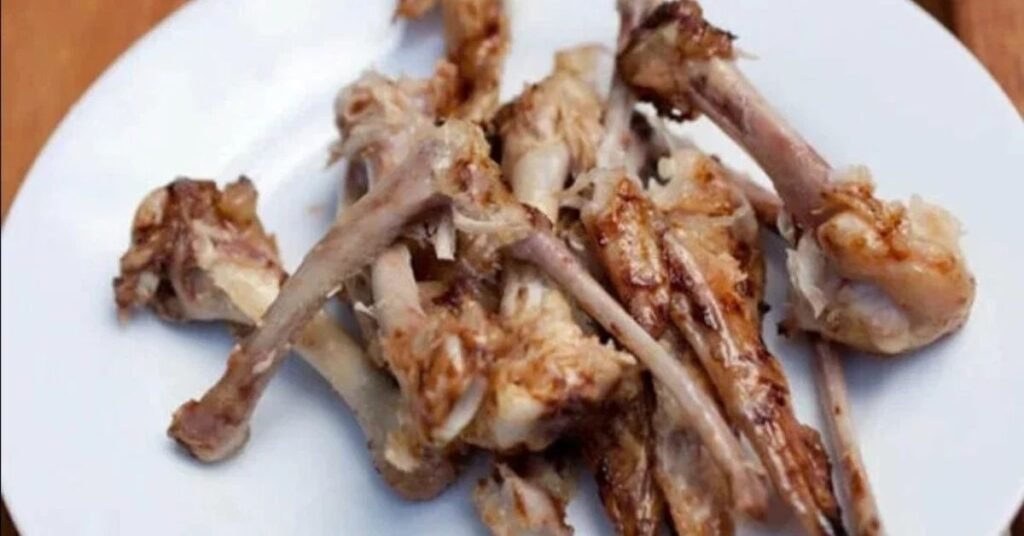
Even after a dog passes a chicken bone, there can be long-term health effects. Bones can cause small tears or scratches in the digestive tract. These injuries can cause infection or swelling if they are not treated promptly.Dogs may also develop chronic digestive issues like constipation or stomach discomfort.
It’s important to monitor your dog closely after the incident. Watch for changes in appetite, energy, or bowel movements. Regular check-ups with your veterinarian can help catch problems early. Preventing future accidents and keeping bones out of reach is the best way to protect your dog’s long-term health.
Monitoring Digestive Health
After your dog eats chicken bones, it’s important to keep an eye on their digestive health. Bones can cause blockages, irritation, or internal injuries that may not be obvious right away. Watch for signs like vomiting, diarrhea, constipation, or stomach pain. Early detection can prevent serious problems and help your dog recover safely.
Here is a table to help monitor your dog’s digestive health:
| Symptom | What to Watch For | Possible Cause | Action Needed |
| Vomiting | Frequent or severe vomiting | Bone irritation or blockage | Call your vet immediately |
| Diarrhea | Loose or watery stool | Digestive upset or minor injury | Monitor and contact vet if persistent |
| Constipation | Hard, infrequent stools | Bone fragments causing blockage | Contact vet if lasts more than 2 days |
| Abdominal Pain | Whining, hunching, or reluctance to move | Irritation or internal injury | Seek veterinary care |
| Loss of Appetite | Refusal to eat | Digestive discomfort | Monitor and call vet if persists |
| Lethargy | Unusual tiredness or weakness | Internal injury or infection | Consult veterinarian |
| Blood in Stool or Vomit | Red or dark blood | Internal damage | Emergency vet visit required |
How to Prevent Your Dog From Eating Chicken Bones
The best way to keep your dog safe is prevention. Never leave chicken bones where your dog can reach them. Keep trash cans covered or out of reach, and clean up any leftover bones immediately. Teaching your dog the “leave it” command can also help prevent accidental eating.
You can also give your dog safe chew toys or treats to satisfy their urge to chew.Offer dog-safe treats or chew toys instead of bones. Supervise your dog during mealtime or when guests eat chicken. Being proactive reduces the risk of choking, blockages, and serious injuries from bones.
Alternative Safe Treats for Dogs
If your dog loves chewing, there are many safe alternatives to chicken bones. Healthy treats can satisfy their cravings without risking injury or digestive problems. Fruits, vegetables, and vet-approved dog chews are all safe and healthy choices.Always make sure treats are dog-friendly and given in moderation.
Here is a table of safe treats for dogs:
| Treat Type | Examples | Benefits | Notes |
| Fruits | Apples (without seeds), Blueberries, Bananas | Rich in vitamins and antioxidants | Cut into small pieces |
| Vegetables | Carrots, Green beans, Sweet potatoes | Low calorie, high fiber | Serve raw or cooked |
| Chew Toys | Rubber bones, Nylon chews | Satisfies chewing instinct, safe for teeth | Supervise playtime |
| Commercial Dog Treats | Soft training treats, Dental chews | Easy to digest, convenient | Choose vet-approved brands |
| Freeze-Dried Snacks | Chicken, Beef, Liver | High protein, tasty | Avoid bones and additives |
| Peanut Butter | Unsweetened, xylitol-free | Great for mental stimulation | Use sparingly |
Fruits, Vegetables, and Dog-Friendly Snacks
Fruits and vegetables make healthy and tasty snacks for dogs. They are low in calories and full of vitamins, minerals, and fiber. Many dogs enjoy their natural sweetness and crunch. You can also offer dog-safe treats like dental chews or soft training snacks. These options satisfy chewing urges safely without the risks of bones.
Here is a table of safe fruits, vegetables, and snacks:
| Type | Examples | Benefits | Serving Tips |
| Fruits | Apples (without seeds), Blueberries, Strawberries, Bananas | Rich in vitamins and antioxidants | Cut into small, bite-sized pieces |
| Vegetables | Carrots, Green beans, Sweet potatoes, Cucumbers | Low calorie, high fiber | Serve raw or lightly cooked |
| Dog-Friendly Treats | Soft training treats, Dental chews, Freeze-dried liver | Safe chewing, supports dental health | Use vet-approved brands |
| Peanut Butter | Unsweetened, xylitol-free | Tasty and mentally stimulating | Give in moderation |
| Yogurt | Plain, unsweetened | Probiotics, calcium | Small amounts only |
| Pumpkin | Cooked or canned | Supports digestion | Avoid spiced varieties |
Conclusion
Chicken bones can be very dangerous for dogs. They can splinter, choke, or block the digestive system.Even small bone fragments can lead to serious injuries. It’s important to act quickly if your dog eats chicken bones.
Watching your dog closely after an incident is key. Look for vomiting, diarrhea, constipation, or pain. If any signs appear, contact your veterinarian immediately. Early action can prevent serious problems.
Prevention is always better than treatment. Keep chicken bones out of reach and clean up leftovers right away.Train your dog to follow commands like “leave it” to help prevent accidents. Safe alternatives like fruits, vegetables, or dog chews are great options.
Finally, always stay calm and provide care. Monitor your dog’s health and follow your vet’s advice. With careful attention, you can keep your dog safe, healthy, and happy.
FAQs
1. What should I do if my dog ate chicken bones?
Stay calm and check your dog for choking or distress. Watch for signs like vomiting, coughing, or stomach pain. Do not try to make your dog vomit without veterinary advice. Reach out to your veterinarian for advice and keep a close eye on your dog.
2. Are cooked chicken bones more dangerous than raw bones?
Yes, cooked chicken bones are usually more dangerous. Cooking makes bones brittle, so they can break into sharp pieces. These fragments may injure the mouth, throat, or intestines. Raw bones may also carry bacteria, so both types can be risky.
3. How long does it take for a dog to pass a chicken bone?
In some cases, a small bone may pass through the digestive system within 24–72 hours. However, this does not always happen safely. Bones can cause blockages or internal injuries. Monitor your dog’s behavior and call a vet if you notice any symptoms.
4. What signs show that a chicken bone is stuck in my dog?
Common signs include choking, gagging, drooling, vomiting, or difficulty swallowing. Your dog may also show stomach pain or refuse food. Blood in stool or vomit can also indicate a problem. These symptoms require immediate veterinary attention.
5. Can chicken bones kill a dog?
Yes, in severe cases chicken bones can be life-threatening. Sharp bone fragments can cause choking, internal bleeding, or intestinal blockage. These problems may require emergency surgery. Quick veterinary care greatly improves the chances of recovery.
