

Introduction
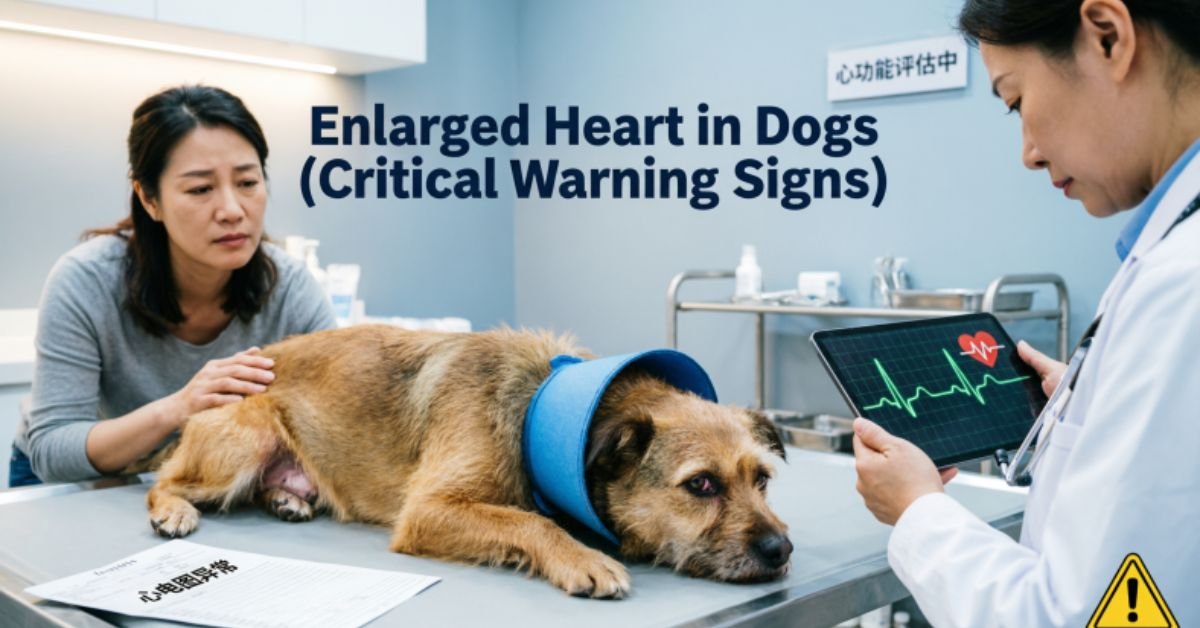
An enlarged heart in dogs is a condition in which the heart becomes larger than normal. This usually happens when the heart muscle becomes weak or stretched over time. Because of this change, the heart cannot pump blood as effectively as it should. As a result, different parts of the body may not receive enough oxygen and nutrients.
Many dog owners do not notice the condition in the early stages. The signs can appear slowly and may seem like normal tiredness or aging. A dog may start coughing, breathing faster, or getting tired during simple activities. These small changes can sometimes be the first warning signs of a heart problem.
Understanding this condition can help dog owners take action at the right time. Learning about the causes, symptoms, and treatment options can make it easier to protect a dog’s health. With proper care and veterinary support, many dogs with an enlarged heart can still live a comfortable life.
What Is an Enlarged Heart in Dogs?
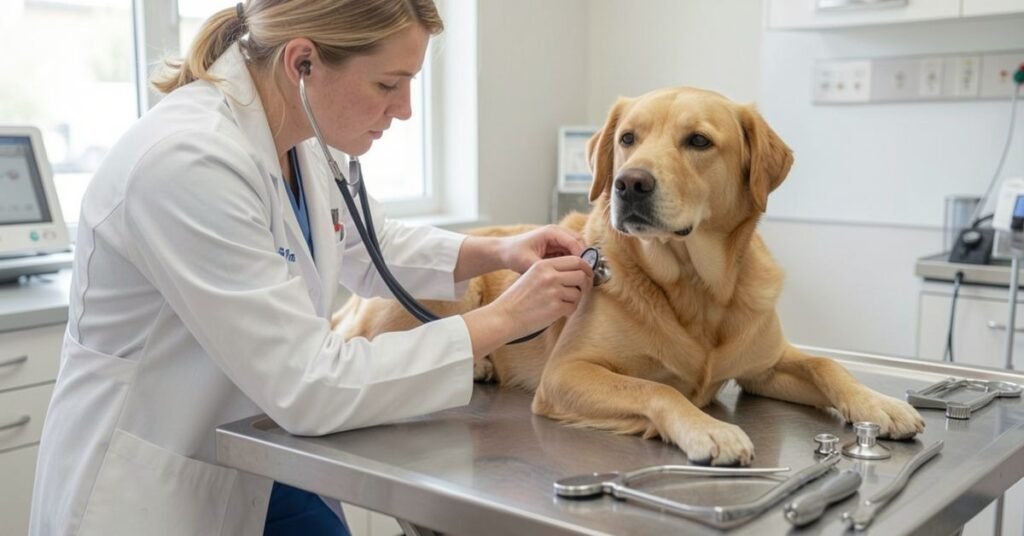
An enlarged heart in dogs means the heart has grown bigger than its normal size. This change usually happens when the heart muscle becomes weak or stretched. Because of this, the heart cannot pump blood through the body as efficiently as it should. When blood circulation is affected, other organs may not receive the oxygen and nutrients they need.
This condition is often related to certain heart diseases that slowly affect the heart’s ability to work properly. In many cases, the problem develops gradually and may not show clear symptoms at first. As the condition progresses, a dog may become less active, breathe faster, or get tired more easily. Early veterinary care can help manage the condition and support a better quality of life for the dog.
Understanding Dilated Cardiomyopathy (DCM) in Dogs
Dilated cardiomyopathy, or DCM, is a disease that affects a dog’s heart muscle. In this condition, the heart chambers become enlarged and the walls become weak. This makes it harder for the heart to pump blood properly. Over time, the heart cannot supply enough blood to the body, which can affect a dog’s overall health.
DCM is more common in certain large dog breeds, but it can happen to any dog. The condition usually develops slowly, so early signs may be easy to miss. Dogs with DCM may get tired quickly, cough, or have trouble breathing. Detecting the problem early and working with a veterinarian can help manage the disease and improve a dog’s quality of life.
What Causes an Enlarged Heart in Dogs?
An enlarged heart in dogs can develop for several reasons. Most often, it happens when the heart muscle weakens or stretches over time. Some causes are inherited, while others come from health issues or diet. Understanding these causes can help owners care for their dogs better.
Some common reasons for an enlarged heart in dogs include:
- Genetic predisposition – certain breeds are more at risk.
- Heart diseases – such as dilated cardiomyopathy or valve problems.
- High blood pressure – which makes the heart work harder.
- Nutritional issues – including diets lacking essential nutrients.
- Other medical conditions – like infections or hormonal imbalances.
Genetic and Breed-Related Causes
Some dogs are more likely to develop an enlarged heart because of their genetics. Certain breeds inherit heart problems that make their heart muscles weaker over time. These issues can appear at any age but are more common as dogs grow older. Knowing which breeds are at higher risk helps owners take early precautions.
Below is a table showing dog breeds that are more prone to genetic heart problems like dilated cardiomyopathy:
| Breed | Common Heart Issue | Notes |
| Doberman Pinscher | Dilated Cardiomyopathy (DCM) | Often develops between 4-8 years old |
| Boxer | Arrhythmogenic Right Ventricular Cardiomyopathy | Can cause irregular heartbeats and heart enlargement |
| Great Dane | Dilated Cardiomyopathy | Large breed, heart strain is more common |
| Irish Wolfhound | Dilated Cardiomyopathy | Usually shows signs in middle age |
| Cocker Spaniel | Heart Valve Disease | Can lead to heart enlargement over time |
| Saint Bernard | Dilated Cardiomyopathy | Large size increases risk |
| Newfoundland | Dilated Cardiomyopathy | Often develops slowly, requires regular heart checkups |
What Are the Symptoms of an Enlarged Heart in Dogs?

Dogs with an enlarged heart may not show signs at first. The condition can develop slowly, so early symptoms are often subtle. Over time, the heart struggles to pump blood, and the dog may start showing health changes. Recognizing these symptoms early can help get veterinary care in time.
Common symptoms of an enlarged heart in dogs include:
- Coughing, especially during rest or at night
- Rapid or labored breathing
- Fatigue or tiredness after light activity
- Weakness or collapse in severe cases
- Swelling in the abdomen or limbs due to fluid buildup
- Loss of appetite or weight loss
- Fainting or irregular heartbeat
Early Warning Signs Dog Owners Should Notice
Some dogs with an enlarged heart may show small changes before serious problems start. It is easy to miss these signs. Owners may notice their dog getting tired faster or breathing differently. Paying attention to these early signs can help detect heart issues sooner.
Common early warning signs include:
- Quick fatigue during walks or play
- Occasional or mild coughing, especially at night
- Faster or heavier breathing
- Trouble resting or sleeping well
- Less interest in eating or playing
- Slight swelling around the belly or legs
Which Dog Breeds Are Most Prone to Dilated Cardiomyopathy?
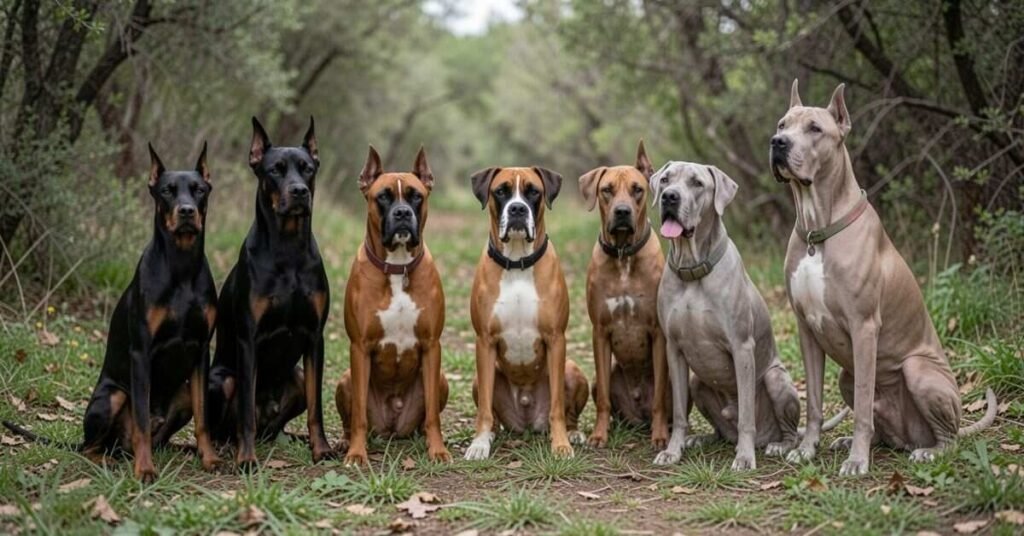
Some dog breeds are more likely to develop dilated cardiomyopathy (DCM) than others. This is often due to genetics or inherited heart problems. Large and giant breeds are usually at higher risk. Knowing which breeds are prone can help owners watch for early signs.
Breeds commonly affected by DCM include:
- Doberman Pinscher
- Boxer
- Great Dane
- Irish Wolfhound
- Cocker Spaniel
- Saint Bernard
- Newfoundland
Breeds With Higher Risk of Heart Enlargement
Some dog breeds have a higher chance of developing an enlarged heart. This is usually due to inherited heart conditions or weak heart muscles. Large and giant breeds are more often affected. Knowing which breeds are at risk can help owners monitor their dogs closely.
Here is a table of dog breeds with a higher risk of heart enlargement:
| Breed | Common Heart Problem | Notes |
| Doberman Pinscher | Dilated Cardiomyopathy (DCM) | Often develops between 4-8 years old |
| Boxer | Arrhythmogenic Right Ventricular Cardiomyopathy | Can cause irregular heartbeats and enlargement |
| Great Dane | Dilated Cardiomyopathy | Large size increases strain on the heart |
| Irish Wolfhound | Dilated Cardiomyopathy | Symptoms usually appear in middle age |
| Cocker Spaniel | Heart Valve Disease | Can lead to heart enlargement over time |
| Saint Bernard | Dilated Cardiomyopathy | Heart problems may develop slowly |
| Newfoundland | Dilated Cardiomyopathy | Requires regular veterinary heart checkups |
| Labrador Retriever | Heart Muscle Weakness | Less common but possible in large adults |
| Doberman Mixes | Dilated Cardiomyopathy | Mixed breeds with Doberman genes may also be at risk |
How Do Veterinarians Diagnose Enlarged Heart in Dogs?
Veterinarians use several tests to check if a dog’s heart is enlarged. They start with a physical exam and listen to the heart and lungs. Abnormal sounds like murmurs or irregular beats may indicate a problem. The vet may also ask about the dog’s activity level, coughing, or breathing changes.
To confirm the diagnosis, vets often use imaging and other tests. X-rays can show the size and shape of the heart. An electrocardiogram (ECG) checks the heart’s rhythm. An echocardiogram (heart ultrasound) gives a detailed look at the heart’s structure and function. These tests help the vet decide the best treatment plan for the dog.
X-Rays, Electrocardiogram (ECG), and Echocardiogram
Veterinarians use different tests to examine a dog’s heart. X-rays, ECG, and echocardiograms are the most common tools. Each test provides important information about the heart’s size, shape, and function. Together, they help the vet understand how serious the condition is and plan the treatment.
Here is a table explaining these tests:
| Test | Purpose | What It Shows | Notes |
| X-Rays | Imaging the chest | Heart size, shape, and lung condition | Quick and non-invasive, gives a general view |
| Electrocardiogram (ECG) | Measuring heart rhythm | Irregular heartbeats, electrical activity of heart | Helps detect arrhythmias or abnormal patterns |
| Echocardiogram | Ultrasound of the heart | Heart muscle thickness, chamber size, blood flow | Provides detailed information about heart function |
| Blood Pressure Measurement | Checking circulation strain | High or low blood pressure affecting the heart | Often done with other tests |
| Thoracic Ultrasound | Imaging fluid around the heart or lungs | Fluid buildup, structural issues | Helps assess congestive heart failure |
What Are the Treatment Options for Enlarged Heart in Dogs?
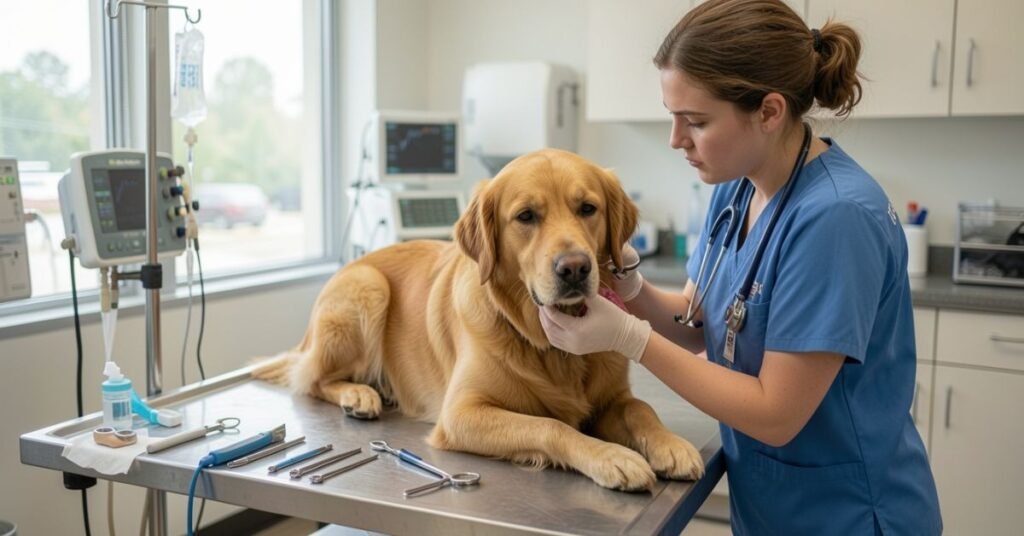
Treatment for an enlarged heart in dogs depends on the cause and severity. The goal is to help the heart work better and reduce symptoms. Veterinarians often use a combination of medicine, diet changes, and lifestyle adjustments. Early treatment can slow the disease and improve a dog’s quality of life.
Common treatment options include:
- Medications – to help the heart pump blood and control fluid buildup
- Dietary changes – low-salt food and proper nutrition to reduce strain on the heart
- Exercise management – light, controlled activity to prevent overexertion
- Regular checkups – monitoring the heart to adjust treatment as needed
- Surgery or advanced care – in rare cases, to repair heart valves or other issues
Medications and Veterinary Care
Dogs with an enlarged heart often need medications to help their heart work properly. These medicines can improve blood flow, reduce fluid buildup, and support heart function. Regular veterinary care is also important to monitor the dog’s condition. Checkups help adjust medicine doses and detect any new problems early.
Here is a table of common medications and their uses:
| Medication Type | Purpose | How It Helps the Dog | Notes |
| Diuretics | Remove excess fluid | Reduces swelling in lungs, abdomen, or legs | Helps dogs breathe easier |
| ACE Inhibitors | Relax blood vessels | Lowers blood pressure and eases heart workload | Often used for long-term heart support |
| Beta-Blockers | Control heart rate | Prevents rapid or irregular heartbeats | Can improve heart efficiency |
| Pimobendan | Strengthen heart contractions | Helps heart pump blood more effectively | Common for dogs with dilated cardiomyopathy |
| Anti-arrhythmic drugs | Control irregular heart rhythms | Reduces risk of fainting or sudden collapse | Used when arrhythmias are present |
| Regular Veterinary Checkups | Monitor overall health and heart condition | Adjust treatment, detect complications early | Essential for ongoing care |
What Is the Life Expectancy of Dogs With an Enlarged Heart?
The life expectancy of dogs with an enlarged heart can vary. It depends on the cause, severity, and how early the condition is detected. Some dogs may live for several years with proper care, while others may have a shorter lifespan. Regular veterinary checkups and treatment can help extend life and improve quality.
Early diagnosis and consistent management make a big difference. Dogs that receive medication, a proper diet, and controlled exercise often live longer. Monitoring for changes in symptoms is important to prevent sudden complications. With careful care, many dogs can enjoy a comfortable and active life despite having an enlarged heart.
Factors That Affect Survival and Quality of Life
Several factors can influence how long a dog with an enlarged heart lives and how comfortable they feel. The severity of the heart condition plays a big role. Dogs diagnosed early and treated promptly usually have a better chance of a longer life. Age, breed, and overall health also affect survival.
Other important factors include:
- Timely diagnosis – early detection allows for quicker treatment
- Medication adherence – giving the correct doses as prescribed
- Diet and nutrition – feeding heart-friendly food helps reduce strain
- Exercise management – avoiding overexertion while keeping the dog active
- Regular veterinary checkups – monitoring heart function and adjusting treatment
- Other health conditions – diseases like kidney or thyroid problems can impact the heart
How Can You Care for a Dog With an Enlarged Heart at Home?

Caring for a dog with an enlarged heart at home requires attention and routine. Make sure your dog takes all medications on time. Feed a healthy diet recommended by your veterinarian. Avoid giving foods that are high in salt, which can put extra strain on the heart.
You should also monitor your dog’s activity and breathing. Allow gentle play and short walks, but avoid overexertion. Keep track of any new symptoms, such as coughing, fainting, or swelling. Regular checkups with the vet are important to adjust treatment as needed. Small daily steps can make a big difference in your dog’s comfort and health.
Daily Management and Prevention Tips for Dog Owners
Managing a dog with an enlarged heart every day helps keep them healthy and comfortable. Veterinarians’ advice should be closely followed by owners. Giving medications on time and feeding a heart-healthy diet are very important. Monitoring your dog’s energy and breathing can catch problems early.
Helpful daily tips include:
- Feed a balanced, low-salt diet to reduce heart strain
- Give medications as prescribed without missing doses
- Provide gentle exercise like short walks or light play
- Watch for changes in breathing, coughing, or energy levels
- Keep regular vet appointments to track heart health
- Avoid stress and overexertion to protect the heart
Conclusion
An enlarged heart in dogs is a serious condition, but early care can make a big difference. Recognizing the symptoms and warning signs is the first step for every dog owner. Paying attention to coughing, fatigue, or changes in breathing can help detect the problem early.
Veterinary diagnosis is essential. Tests like X-rays, ECG, and echocardiograms show how the heart is working. Early treatment with medications, diet changes, and lifestyle adjustments can slow the disease. Following the vet’s advice helps dogs stay comfortable and active.
Daily care at home is important too. Giving medicines on time, feeding a heart-friendly diet, and managing exercise can improve life quality. Monitoring your dog for new symptoms ensures quick action if something changes.
With proper care, many dogs with an enlarged heart can live a happy and active life. Regular checkups, good management, and love from their owners make a big difference. Awareness, early detection, and ongoing care are key to helping dogs with this condition.
FAQs
1. What is an enlarged heart in a dog?
An enlarged heart is a condition where a dog’s heart becomes bigger than normal. This usually happens when the heart muscle weakens or stretches. It can make it harder for the heart to pump blood effectively. Early diagnosis and care are important to manage the condition.
2. What are the common symptoms of an enlarged heart in dogs?
Symptoms include coughing, rapid or labored breathing, fatigue, fainting, and swelling in the belly or legs. Early signs may be subtle, like getting tired quickly during play. Observing your dog’s behavior and activity can help detect the problem sooner.
3. Which dog breeds are most prone to an enlarged heart?
Large and giant breeds are often at higher risk. Breeds commonly affected include Doberman Pinschers, Boxers, Great Danes, Irish Wolfhounds, and Cocker Spaniels. Regular checkups are recommended for these breeds to detect heart problems early.
4. What is the diagnosis of an enlarged heart in a dog?
Veterinarians diagnose the condition using physical exams, X-rays, electrocardiograms (ECG), and echocardiograms. These tests show the heart’s size, shape, and how well it pumps blood. Early testing helps plan the best treatment for the dog.
5. Can an enlarged heart in dogs be treated?
Yes, treatment is possible but depends on the cause and severity. Medications, diet changes, and controlled exercise help manage symptoms. Regular veterinary care and early treatment can improve quality of life and extend survival.
