

Introduction
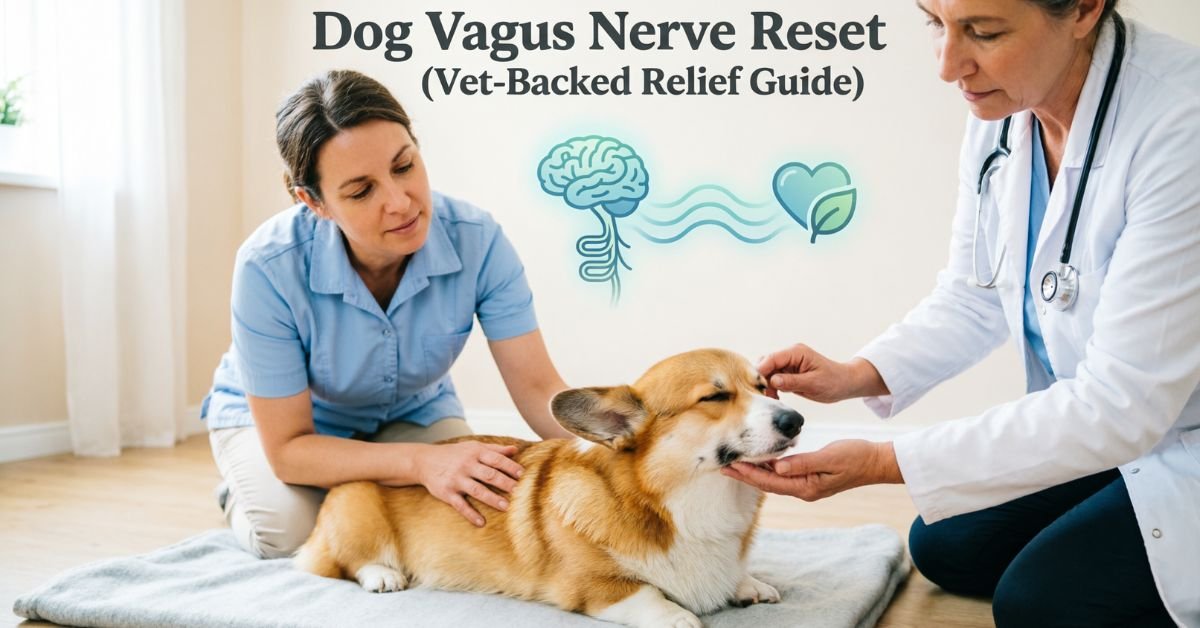
The vagus nerve is a major nerve that helps control your dog’s heart rate, breathing, digestion, and stress response. When it works well, your dog feels calm and balanced. A “dog vagus nerve reset” refers to simple techniques that support this nerve and help your dog move from stress into a relaxed state.
Many dogs today struggle with anxiety, reactivity, and constant overstimulation. Loud noises, busy homes, and lack of rest can keep their nervous system stuck in “fight or flight” mode. If your dog seems restless, overly alert, or hard to settle, their nervous system may need support.
Dog vagus nerve reset techniques focus on safe, natural methods like calm breathing, gentle touch, scent work, and soothing routines. These simple steps can help regulate your dog’s body and improve behavior over time. Understanding how this nerve works can change the way you approach training and emotional health.
What Is the Vagus Nerve in Dogs?
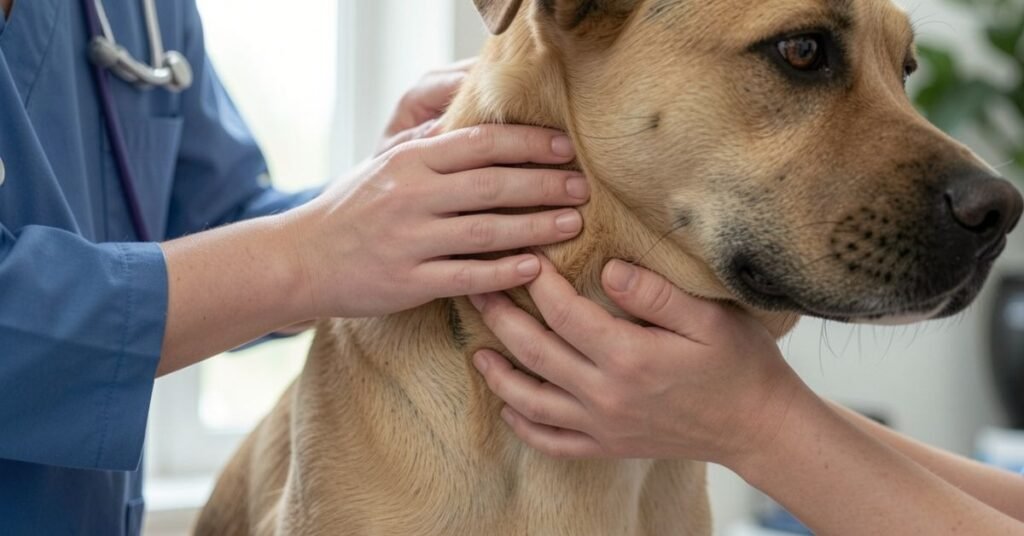
The vagus nerve is a long and powerful nerve that runs from your dog’s brain down to the chest and abdomen. It sends messages between the brain and important organs like the heart, lungs, and digestive system. This nerve helps control automatic body functions that your dog does not think about, such as breathing, heart rhythm, and digestion.
It also plays a key role in how your dog handles stress. When the vagus nerve is strong and active, your dog can relax more easily after being scared or excited. If it is not working efficiently, your dog may stay tense, anxious, or overly alert. Supporting this nerve helps create a calmer and more balanced nervous system.
Sympathetic vs. Parasympathetic Nervous System
Your dog’s nervous system has two main parts that control stress and relaxation. The sympathetic system is known as “fight or flight.” It turns on when your dog feels scared, excited, or alert. The parasympathetic system is called “rest and digest.” It helps your dog calm down, relax, and recover after stress.
Both systems are important. The problem happens when the sympathetic system stays active for too long. This can make your dog anxious, reactive, or unable to settle. The parasympathetic system, supported by the vagus nerve, helps bring the body back to balance.
| Feature | Sympathetic Nervous System (Fight or Flight) | Parasympathetic Nervous System (Rest and Digest) |
| Main Purpose | Protects from danger | Promotes calm and recovery |
| Triggered By | Fear, stress, excitement | Safety, comfort, relaxation |
| Heart Rate | Increases | Slows down |
| Breathing | Fast and shallow | Slow and deep |
| Muscles | Tight and ready to act | Relaxed |
| Digestion | Slows down | Improves and functions normally |
| Pupil Size | Dilates (gets bigger) | Returns to normal size |
| Energy Use | Burns energy quickly | Conserves energy |
| Behavior Signs | Barking, lunging, pacing | Resting, soft body, calm focus |
| Emotional State | Alert, anxious, reactive | Settled, safe, balanced |
| Recovery Time | Takes longer to calm down | Calms down more easily |
| Role of Vagus Nerve | Less active | More active and supportive |
What Does the Vagus Nerve Do for Your Dog’s Body and Behavior?
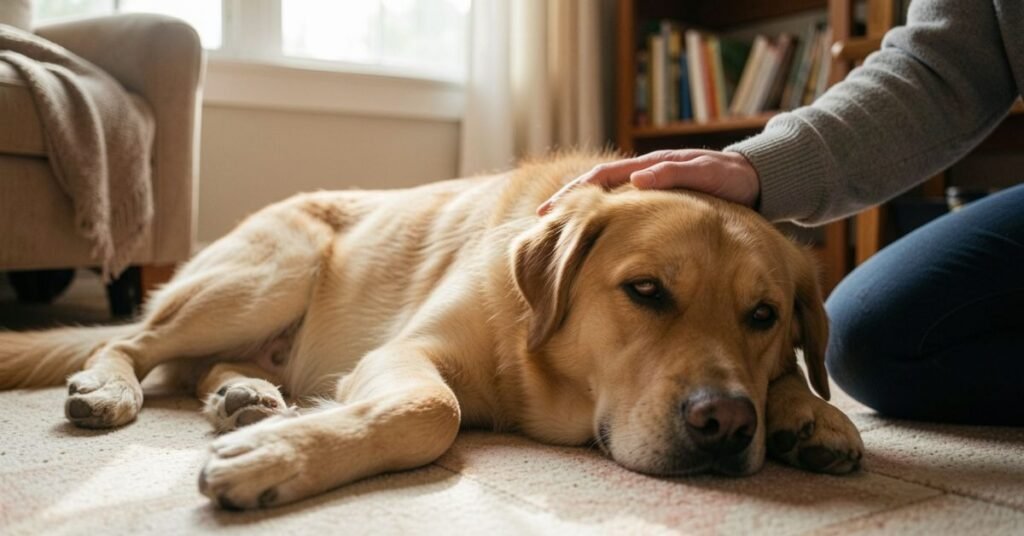
The vagus nerve helps control many important functions in your dog’s body. It supports the heart, lungs, and digestive system. It also plays a big role in helping your dog relax after stress. When this nerve is working well, your dog can shift from being alert and tense to feeling calm and safe.
This nerve also affects behavior. A healthy vagus nerve makes it easier for your dog to settle down, focus during training, and respond calmly to triggers. If it is weak or overstressed, your dog may stay anxious or reactive for longer periods.
The vagus nerve helps with:
- Slowing the heart rate
- Supporting healthy digestion
- Regulating breathing patterns
- Reducing stress levels
- Improving emotional balance
- Helping your dog recover after excitement or fear
The Gut–Brain Connection in Dogs
Your dog’s gut and brain are closely connected. They communicate through the nervous system, including the vagus nerve. This connection means that what happens in the stomach can affect mood and behavior. If your dog has poor digestion, it can also impact their stress levels and emotional balance.
A healthy gut supports a calm mind. Good bacteria in the digestive system help produce chemicals that influence mood. When the gut is upset, your dog may seem anxious, restless, or irritable. That is why proper nutrition, balanced meals, and digestive health are important for both physical and emotional well-being.
How the Vagus Nerve Affects Heart Rate, Breathing, and Emotional Regulation
The vagus nerve helps control your dog’s heart rate and breathing without them thinking about it. When your dog feels safe, this nerve slows the heart and supports steady, deep breathing. This creates a calm state in the body. When the vagus nerve is active, your dog can relax more easily after stress or excitement.
Emotional regulation is also greatly influenced by it. A strong vagal response helps your dog recover faster from fear, noise, or triggers. If this system is weak, your dog may stay tense, over-alert, or reactive for longer periods. Supporting the vagus nerve helps improve both physical balance and emotional control.
| Body Function | When Vagus Nerve Is Active (Balanced State) | When Vagus Nerve Is Underactive (Stressed State) |
| Heart Rate | Slower and steady | Fast and elevated |
| Breathing | Slow and deep | Rapid and shallow |
| Digestion | Smooth and regular | Slowed or upset |
| Muscle Tension | Relaxed muscles | Tight and stiff |
| Recovery After Stress | Calms down quickly | Takes longer to settle |
| Focus During Training | Calm and attentive | Distracted or reactive |
| Response to Triggers | Mild reaction | Strong overreaction |
| Sleep Quality | Restful and deep | Light or disturbed sleep |
| Overall Mood | Balanced and secure | Anxious or overstimulated |
What Is a Dog Vagus Nerve Reset?
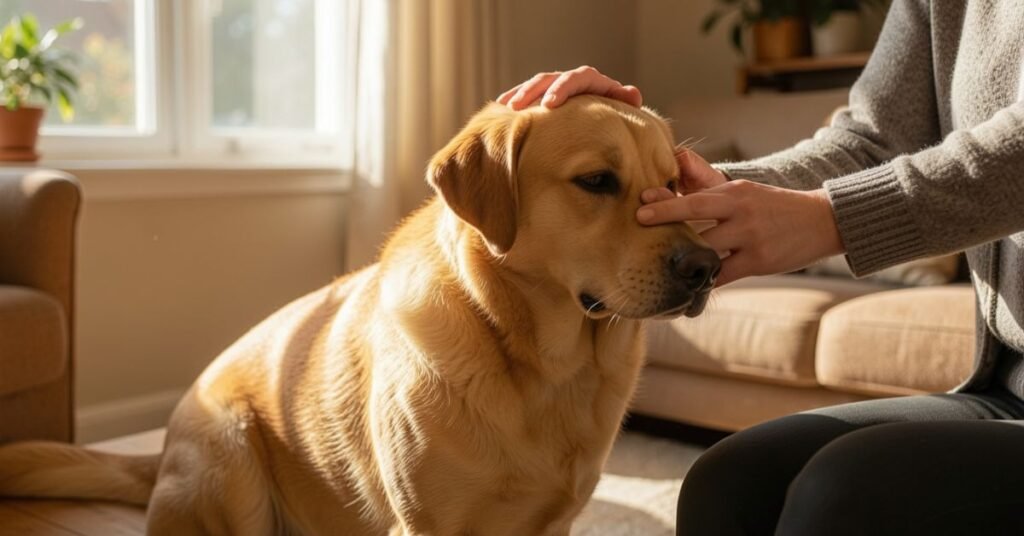
A dog vagus nerve reset is a way to help your dog move from stress into a calm state. It focuses on supporting the vagus nerve, which controls relaxation in the body. The word “reset” does not mean pressing a button. It means using gentle techniques that encourage the nervous system to slow down and feel safe again.
These techniques can include calm breathing, soft touch, slow walks, and soothing routines. The goal is to activate the part of the nervous system that helps your dog relax and recover. When done correctly, these methods can reduce anxiety, improve focus, and help your dog settle more easily after excitement or fear.
Is the “Reset” Concept Scientifically Accurate?
The term “vagus nerve reset” is popular, but it is not a strict medical term. Scientists do not use the word “reset” in studies. What is real is that the vagus nerve can be stimulated to help the body relax. Techniques like deep breathing, massage, and gentle activities support the nerve and calm the nervous system.
While it may not be a literal “reset,” these methods have real effects on your dog’s body and behavior. They help slow the heart rate, improve digestion, and reduce stress. So, even if the term is simplified, the results are based on how the nervous system actually works.
Signs Your Dog’s Vagus Nerve May Need Support
Sometimes your dog’s vagus nerve can get overstressed or underactive. When this happens, your dog may have trouble calming down after excitement or stress. Their body and behavior may show signs that the nervous system needs support.
Common signs to watch for include:
- Constant anxiety or restlessness
- Quick or irregular breathing
- Rapid heart rate even when resting
- Difficulty settling after excitement
- Overreacting to small triggers
- Digestive issues like vomiting or diarrhea
- Tense muscles or stiff posture
Physical Symptoms
When a dog’s vagus nerve is not working well, the body often shows clear signs. These physical symptoms can indicate stress or imbalance in the nervous system. Paying attention to them helps you know when your dog may need support.
Common physical symptoms include:
- Fast or irregular heartbeat
- Rapid or shallow breathing
- Digestive problems like vomiting or diarrhea
- Trembling or shaking
- Stiff or tense muscles
- Difficulty relaxing or lying down comfortably
- Low energy or fatigue
Behavioral Symptoms (Anxiety, Reactivity, Overstimulation)
When a dog’s vagus nerve is underactive or overstressed, it can affect behavior. Dogs may appear anxious, overly reactive, or easily overstimulated. These behaviors often show how the nervous system is struggling to manage stress and calm the body.
Recognizing these behavioral changes early can help owners support their dog’s nervous system. Improving vagal function can reduce anxiety, improve focus, and help your dog settle more quickly after excitement or triggers
| Behavior | What It May Indicate | Possible Nervous System Link |
| Excessive barking or whining | Anxiety or fear | Sympathetic system overactive |
| Lunging, snapping, growling | Reactivity | Fight or flight response |
| Pacing or constant movement | Stress or restlessness | Parasympathetic underactive |
| Hiding or avoiding contact | Fear or insecurity | Nervous system imbalance |
| Trouble focusing | Difficulty learning or following commands | High alert state |
| Sudden overreaction to noise | Startle response | Vagus nerve underactive |
| Aggression toward other dogs | Stress and poor regulation | Sympathetic dominance |
| Difficulty settling after excitement | Nervous system not calming | Weak vagal response |
| Overstimulation in busy environments | Sensory overload | Parasympathetic not active enough |
| Clinginess or shadowing owner | Anxiety | Sympathetic dominance |
Safe Ways to Support a Dog Vagus Nerve Reset at Home
Helping your dog’s nervous system at home does not require complicated tools. Simple and calm interactions can encourage relaxation. The focus should always be on safety and comfort. Gentle support allows the body to shift from tension to a more balanced state.
Consistency matters more than intensity. Short, peaceful moments each day can strengthen your dog’s ability to calm down. Pay attention to their signals and never force a technique if they seem uneasy.
Safe methods you can try at home include:
- Sitting quietly with your dog and slowing your own breathing
- Using light, steady strokes instead of fast petting
- Allowing time for slow sniffing during walks
- Providing safe chewing activities for natural calming
- Keeping daily routines predictable and stable
- Creating a quiet space where your dog can rest without disturbance
Calm, Rhythmic Breathing (Co-Regulation With Your Dog)
Dogs are very sensitive to human emotions and body signals. They often match your energy without you realizing it. When you breathe slowly and deeply, your body sends a signal of safety. Your dog can pick up on this calm state and begin to relax too.
This process is called co-regulation. It means your calm nervous system helps steady your dog’s nervous system. Slow breathing can reduce tension, lower heart rate, and create a peaceful environment. It is simple, free, and safe to practice daily.
| Your Action | What Happens in Your Body | How It Influences Your Dog | Possible Result in Your Dog |
| Slow, deep breathing | Heart rate slows down | Dog senses calm energy | Reduced tension |
| Steady inhale and exhale | Nervous system relaxes | Signals safety | Less anxiety |
| Relaxed shoulders and posture | Muscles loosen | Dog mirrors body language | Softer body posture |
| Sitting quietly near your dog | Stress hormones lower | Creates safe presence | Settles more quickly |
| Soft facial expression | Emotional state stabilizes | Dog reads non-verbal cues | Decreased reactivity |
| Speaking in a gentle tone | Breathing stays controlled | Sound feels soothing | Improved focus |
Gentle Massage and Safe Touch Techniques
Soft and slow touch can help your dog feel safe. Gentle massage supports relaxation in the body. It can lower tension and help activate the calming part of the nervous system. Many dogs respond well to steady and predictable contact.
The key is to move slowly and watch your dog’s reaction. Avoid fast rubbing or rough handling. If your dog leans in, sighs, or softens their body, it means they feel comfortable.
Safe touch techniques include:
- Slow strokes along the shoulders and back
- Light circular motions on the chest area
- Gentle ear rubs if your dog enjoys them
- Calm hand resting on the side of the body
- Soft pressure around the neck and base of the tail
Can DIY Vagus Nerve Stimulation Be Harmful for Dogs?
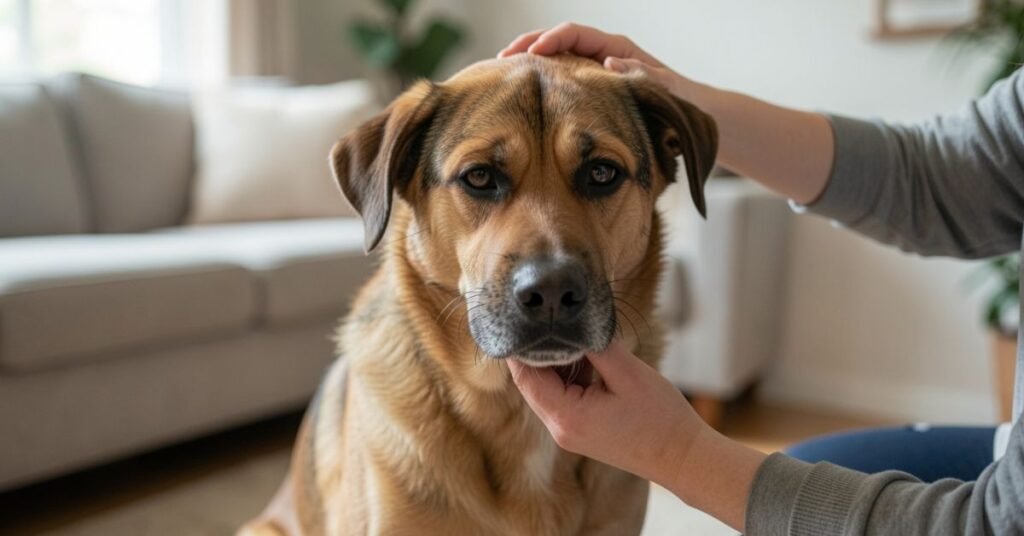
Most gentle calming techniques are safe when done correctly. Simple methods like slow breathing, soft touch, and quiet walks usually do not cause harm. However, problems can happen if techniques are forced or done too intensely. Dogs should never be restrained or pressured in the name of “resetting” their nervous system.
Some dogs have medical conditions that need professional care. For example, heart problems, breathing issues, or seizures require a veterinarian’s guidance. If your dog shows extreme fear, aggression, or unusual physical symptoms, it is important to seek expert advice. Home support should always be gentle, respectful, and used alongside proper veterinary care when needed.
When to Avoid At-Home Techniques
At-home calming methods are helpful in many cases. But they are not right for every situation. If your dog is in pain or has a medical issue, calming exercises alone will not fix the problem. Forcing relaxation during serious distress can make things worse.
Always watch for warning signs. If symptoms seem severe or unusual, professional help is safer than home treatment. Always put your dog’s health first.
Avoid at-home techniques if your dog has:
- Severe breathing difficulty
- Fainting or collapse
- Ongoing vomiting or diarrhea
- Signs of seizures
- Sudden aggression with no clear cause
- Extreme pain when touched
- A diagnosed heart or neurological condition without vet guidance
Dog Vagus Nerve Reset for Anxiety and Reactive Behavior
A dog vagus nerve reset can help reduce anxiety and reactive behavior. When a dog feels stressed, the body stays in a high alert state. This can lead to barking, lunging, pacing, or overreacting to small triggers. Supporting the vagus nerve helps shift the body toward calm and safety.
When the nervous system becomes more balanced, behavior often improves. Dogs can focus better during training and recover faster after excitement. Calming techniques do not replace proper training, but they make learning easier. A relaxed dog is more open to guidance and positive change.
Training Implications and Nervous System Regulation
Training works best when a dog feels calm and safe. If the nervous system is stuck in stress mode, learning becomes difficult. A tense dog may ignore commands or react quickly without thinking. Supporting nervous system regulation helps create the right mental state for training.
Your dog is more likely to focus and respond clearly when the vagus nerve is active. Calm dogs process information better and recover faster from mistakes. This makes positive reinforcement more effective and builds long-term behavior change.
| Nervous System State | Dog’s Emotional Condition | Behavior During Training | Learning Ability | Trainer’s Best Approach |
| Calm and regulated | Relaxed and secure | Attentive and responsive | High | Use rewards and clear cues |
| Mildly stressed | Alert but manageable | Slight distraction | Moderate | Short sessions and gentle guidance |
| Highly stressed | Anxious or fearful | Barking, lunging, avoiding | Low | Pause training and calm first |
| Overstimulated | Excited and impulsive | Jumping, pulling, ignoring cues | Low | Reduce stimulation and reset environment |
| Fatigued or shut down | Withdrawn or disengaged | Slow response or no interest | Very low | Rest and rebuild comfort |
When to Seek Professional Help for Nervous System Issues
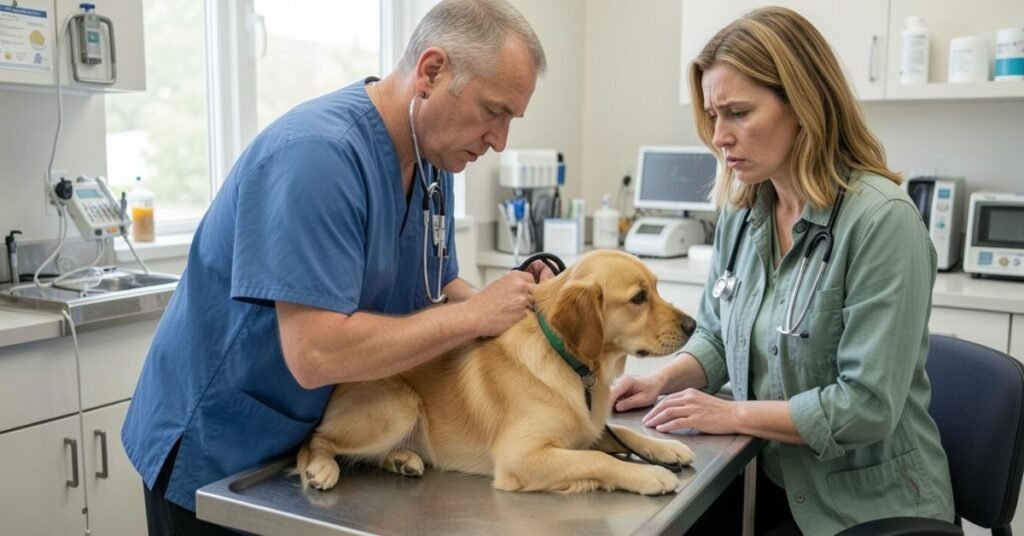
Sometimes home support is not enough. If your dog shows ongoing anxiety, extreme reactivity, or sudden behavior changes, it may be time to seek professional help. Long-term stress can affect both physical and emotional health. A veterinarian or qualified behavior professional can check for medical causes and guide you safely.
You should also seek help if symptoms are severe or getting worse. Signs like seizures, fainting, aggression without warning, or major appetite changes need expert attention. Early support can prevent bigger problems later. Professional guidance ensures your dog receives the right care for their nervous system and overall well-being.
Vagus Nerve Stimulation for Epileptic Dogs
Vagus nerve stimulation is sometimes used in medical treatment for dogs with epilepsy. It is not a home technique. In certain cases, veterinarians may recommend advanced therapies to help reduce seizure frequency. These treatments are carefully controlled and monitored by professionals.
Epilepsy is a serious condition that needs proper diagnosis and care. If your dog has seizures, you should always work closely with a veterinarian. Calming exercises at home can support overall well-being, but they do not replace medical treatment. Professional guidance is essential for managing epilepsy safely and effectively.
Conclusion
Supporting your dog’s vagus nerve can improve both health and behavior. Simple techniques like calm breathing, gentle touch, and slow walks help the nervous system stay balanced. Over time, these practices can reduce anxiety, improve focus, and help your dog settle more easily.
It is important to pay attention to signs that your dog may need support. Physical symptoms like fast breathing or digestive issues, and behavioral signs like overreacting or restlessness, show when the nervous system is stressed. Early action can prevent problems from getting worse.
At-home techniques are safe when done gently and consistently. However, they are not a replacement for professional care. Dogs with medical conditions, severe anxiety, or seizures need guidance from a veterinarian or certified behavior specialist.
By combining gentle home support with professional advice when needed, you can help your dog feel calmer, healthier, and more balanced. Understanding the vagus nerve and how it affects your dog’s body and behavior is a powerful tool for every dog owner.
FAQs
1. What is a dog vagus nerve reset?
A dog vagus nerve reset is a way to help your dog’s nervous system calm down. It uses gentle techniques like slow breathing, soft touch, and calming routines. The goal is to reduce stress and help your dog feel safe and balanced.
2. Can I do a vagus nerve reset at home?
Yes, simple methods like calm breathing, gentle massage, sniff walks, and chew toys can support your dog’s vagus nerve. Always go slowly, watch your dog’s reactions, and avoid forcing anything. The most important things are safety and comfort.
3. How do I know if my dog needs vagus nerve support?
Signs include restlessness, rapid breathing, pacing, excessive barking, or overreacting to small triggers. Digestive issues or tense muscles may also indicate stress. Noticing these signs early can help prevent bigger problems.
4. Can vagus nerve techniques replace veterinary care?
No, home techniques are only supportive. Dogs with medical conditions, seizures, or extreme anxiety should always see a veterinarian. Professional guidance ensures your dog gets safe and effective treatment.
5. How long does it take to see results?
Results can vary depending on the dog and consistency of practice. Some dogs may show calm behavior in a few days, while others may take weeks. Regular gentle support and a predictable routine help the nervous system improve over time.
