

Introduction
A dog limping front leg means your dog is not putting normal weight on one of its front legs. You may notice your dog walking unevenly, holding the leg up, or moving more slowly than usual. Limping can happen suddenly after an injury or develop slowly over time due to joint or bone problems.
It can be worrying to see your dog in discomfort. You may wonder if it’s something minor like a small paw injury or something serious that needs urgent care. Some limps go away with rest, but others can signal fractures, arthritis, or deeper health issues that should not be ignored.
In this guide, you’ll learn the common causes of front leg limping, the symptoms to watch for, and the best treatment options available. We’ll also explain when to monitor your dog at home and when it’s time to call your veterinarian.
Why Is My Dog Limping on a Front Leg?
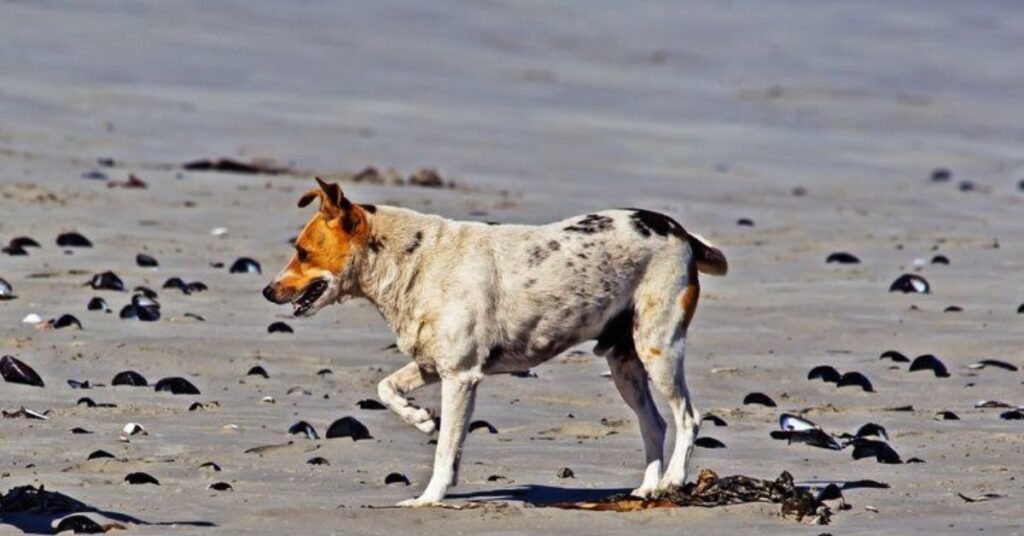
Your dog may limp on a front leg for many different reasons. The most common causes are small injuries like a cut paw pad, a torn nail, or a muscle strain. Dogs can also limp after jumping, running too hard, or slipping on a smooth floor. In some cases, the problem may be deeper, such as a sprain, fracture, or joint issue.
Sometimes the limp starts suddenly. Other times it develops slowly over days or weeks. Conditions like arthritis or elbow problems can cause gradual limping, especially in older dogs. If the limp lasts more than a day or seems painful, it is best to have your veterinarian check it.
Sudden vs. Gradual Limping What It Means
Sudden limping usually happens without warning. Your dog may be playing normally and then start holding up a front leg. This often points to an injury. It could be a cut paw, a torn nail, a sprain, or even a fracture. Sudden limping is easier to notice because the change is quick and clear.
Gradual limping develops slowly over time. You may first see a slight stiffness after rest. Then the limp becomes more noticeable. This type of limping is often linked to joint problems like arthritis or elbow issues. It may get worse with activity and improve with rest.
| Feature | Sudden Limping | Gradual Limping |
| How it starts | Happens quickly | Develops slowly over days or weeks |
| Common cause | Injury or trauma | Joint or bone condition |
| Pain level | Often sharp and obvious | Mild at first, worsens over time |
| Swelling | May appear quickly | Usually mild or slow to appear |
| Weight bearing | Dog may refuse to use the leg | Dog may still use leg but carefully |
| Behavior change | Sudden crying or licking | Stiffness after rest |
| Activity effect | Worse immediately after injury | Worse after exercise |
| Examples | Cut paw, sprain, fracture | Arthritis, elbow dysplasia |
| Emergency risk | Higher if severe | Lower unless worsening |
| What to do | Check paw and restrict movement | Monitor and schedule vet visit |
| Improvement | May improve with rest in mild cases | Rarely improves without treatment |
| Vet visit urgency | Same day if severe pain | Within a few days if persistent |
When Is Dog Limping Front Leg an Emergency?
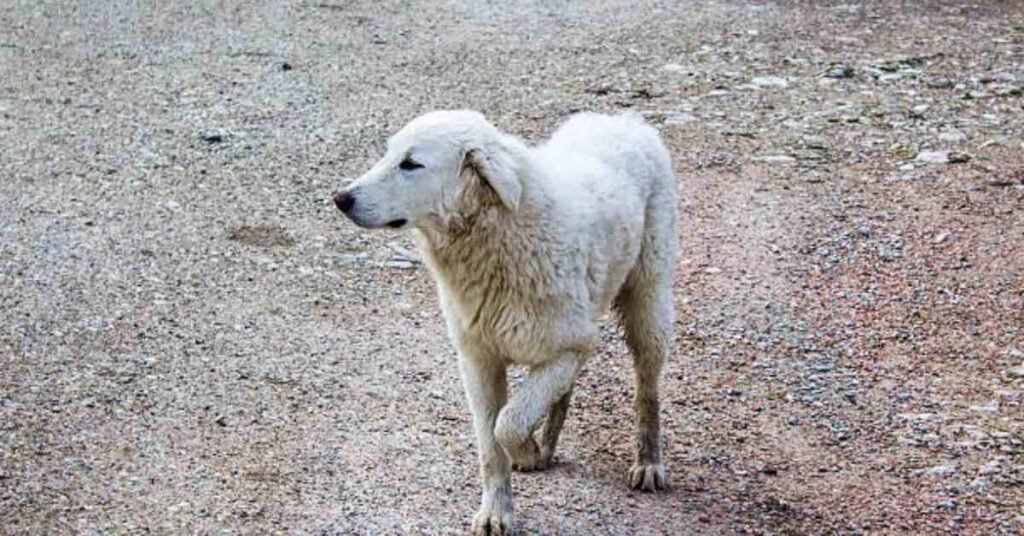
A dog limping on a front leg can be an emergency if the pain is severe. If your dog cries out, refuses to stand, or cannot put any weight on the leg, you should act quickly. Swelling, bleeding, or a leg that looks bent or out of place are serious warning signs. These may point to a fracture or major injury that needs immediate care.
It is also urgent if your dog seems very weak, has a fever, or shows sudden behavior changes. Limping along with heavy panting, shaking, or signs of shock should never be ignored. In these cases, contact your veterinarian or an emergency animal clinic right away. Quick treatment can prevent the problem from getting worse.
Signs That Require Immediate Veterinary Care
Some signs mean your dog needs medical help right away. Severe pain is one of the biggest warning signals. If your dog refuses to put any weight on the front leg or cries when you touch it, do not wait. A leg that looks swollen, twisted, or out of shape could mean a fracture or dislocation.
Other symptoms can show that the problem is more serious than a simple sprain. If you notice any of the signs below, contact your veterinarian or an emergency clinic immediately:
- Heavy bleeding from the paw or leg
- Sudden large swelling
- Open wounds or visible bone
- High fever or extreme weakness
- Shaking, pale gums, or signs of shock
- Limping after a major fall or accident
Common Causes of Dog Limping Front Leg
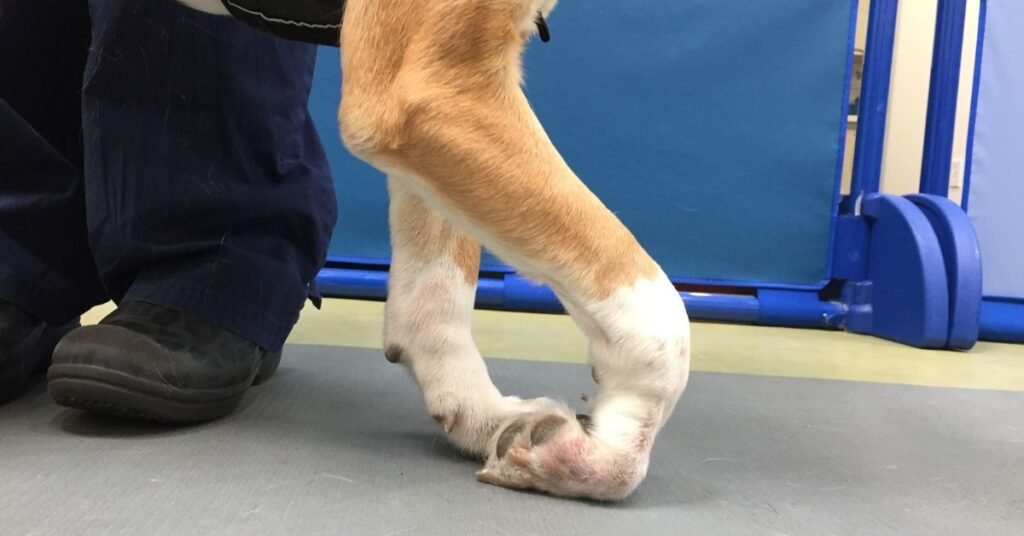
Dogs can limp on a front leg for many reasons. Some are minor, like small cuts or nail injuries. Others are more serious, like fractures or joint problems. Understanding the cause helps you decide if your dog needs rest at home or urgent veterinary care.
Common causes include:
- Paw pad injuries – cuts, thorns, or foreign objects stuck in the paw
- Broken or torn nails – can be painful and cause limping
- Sprains and soft tissue injuries – muscles, tendons, or ligaments stretched or torn
- Fractures or trauma – broken bones from falls or accidents
- Arthritis – joint wear and tear, common in older dogs
- Elbow dysplasia or developmental issues – mostly in young or large breeds
- Infections or immune-related problems – can affect joints and soft tissue
Broken or Torn Nails
A broken or torn nail can make your dog limp on a front leg. Dogs often hurt their nails while running, jumping, or playing on hard surfaces. Even a small tear can be painful and cause your dog to avoid putting weight on the leg. Nail injuries are common and usually heal faster if treated properly.
Some nail problems are simple, while others may need veterinary care. Here’s a detailed guide to understand broken or torn nails in dogs:
| Feature | Description | What to Do |
| Cause | Walking on rough surfaces, trauma, nail trimming mistakes | Inspect nails after walks, trim carefully |
| Symptoms | Limping, licking the nail, bleeding, visible tear | Monitor for swelling, clean the nail gently |
| Severity | Minor tear | Mild pain, dog may still walk |
| Severity | Partial break | More pain, bleeding possible, may need bandage |
| Severity | Complete break | Nail is loose or missing, severe pain, high risk of infection |
| Immediate Care | Clean the nail with antiseptic | Stop bleeding with gauze or styptic powder |
| Pain Relief | Mild cases | Over-the-counter vet-approved pain relief |
| Vet Care Needed | Deep tear, infection signs, continuous bleeding | Veterinary examination, possible trimming or antibiotics |
| Healing Time | Minor tear | Few days with rest and care |
| Healing Time | Severe break | 2–4 weeks, depending on nail growth and treatment |
| Prevention | Regular nail trimming, avoid rough surfaces, check paws daily | Prevent future injuries and infections |
Sprains and Soft Tissue Injuries
Sprains and soft tissue injuries are common reasons for a dog limping on a front leg. These happen when muscles, tendons, or ligaments get stretched or torn. Dogs can injure themselves while running, jumping, or playing roughly. The limp may appear suddenly or worsen after activity.
Signs of sprains or soft tissue injuries include:
- Limping or favoring one leg
- Swelling or warmth around the joint
- Pain when touching or moving the leg
- Licking or chewing the injured area
- Difficulty standing or walking normally
What to Do If Your Dog Is Limping on the Front Leg
If your dog starts limping, the first step is to stay calm. Observe how your dog is walking and check the leg carefully. Look for cuts, swelling, bleeding, or anything stuck in the paw. Avoid touching areas that cause pain, as this can make your dog uncomfortable or stressed.
Next, limit your dog’s activity. Keep them off stairs and avoid running or jumping. You can gently clean minor wounds and apply a small bandage if needed. If the limp continues, seems painful, or your dog cannot put weight on the leg, contact your veterinarian. Quick action can prevent further injury and help your dog heal faster.
How to Safely Examine the Leg
Before you examine your dog’s leg, make sure your dog is relaxed and in a safe space. Sit next to them calmly and speak in a soft, soothing voice. Move slowly so your dog does not get scared. If your dog seems stressed or in pain, stop and try later, or go to a vet.
Check the leg carefully but gently. Look for any signs of injury or swelling. You can follow these steps:
- Inspect the paw pads for cuts or small objects
- Check the nails for cracks, breaks, or bleeding
- Look at joints for swelling, redness, or heat
- Slowly move each joint to see if your dog reacts to pain
- Watch for limping, licking, or signs of discomfort
When to Call Your Veterinarian
You should call your veterinarian if your dog’s limp does not improve in a day or two. Sudden severe pain, inability to put weight on the leg, or swelling are all reasons to seek help immediately. Even small injuries can become serious if they get infected or worsen over time.
Other signs that need a vet include bleeding, limping after a fall or accident, or a leg that looks bent or out of place. If your dog is also weak, shaking, or has a fever, do not wait. Early veterinary care can prevent complications and help your dog heal faster.
How Veterinarians Diagnose Front-Leg Limping
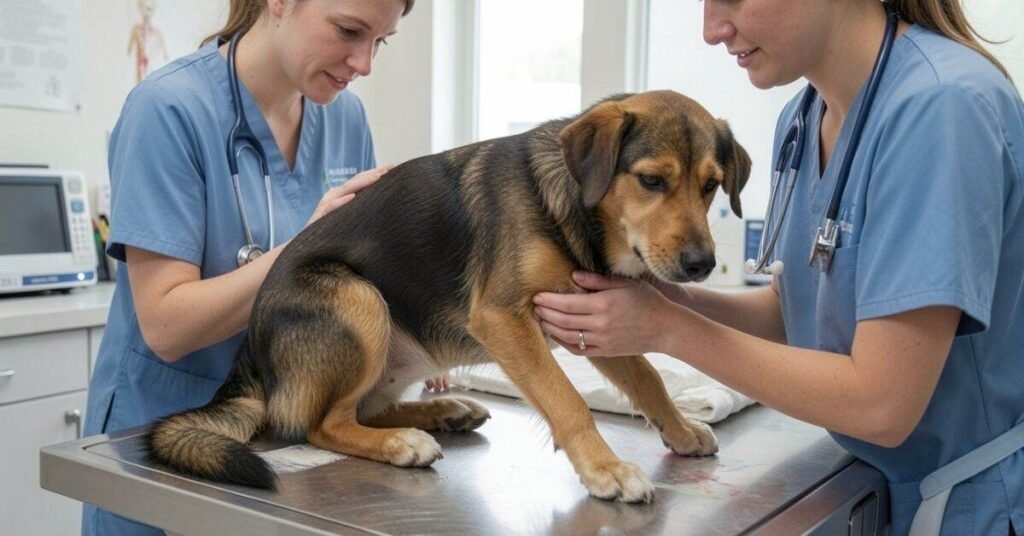
When you take your dog to the vet, they start by asking questions about the limp. They will want to know when it started, how it happened, and whether it is getting worse. The veterinarian will then watch your dog walk and carefully examine the leg for pain, swelling, or abnormal movement.
To find the exact cause, vets may use different tools and tests, including:
- Physical examination of muscles, joints, and bones
- Checking the paw pads and nails for injuries
- X-rays to look for fractures or bone problems
- Ultrasound or MRI for soft tissue injuries
- Lab tests to detect infections or inflammation
Physical Examination
During a physical examination, the veterinarian carefully checks your dog’s leg and paw. They look for swelling, cuts, bruises, or unusual shapes in the bones and joints. The vet also observes how your dog walks and stands to see which leg is affected.
The vet may gently move the joints to check for pain or stiffness. They might also feel the muscles and tendons to detect injuries. This careful examination helps the vet understand the severity of the limp. It is the first step in deciding the best treatment for your dog.
X-rays and Diagnostic Imaging
Sometimes a physical exam is not enough to find the cause of a front-leg limp. Veterinarians use X-rays or other imaging tools to look inside the leg. These tests help detect fractures, joint problems, or hidden injuries. Imaging can also show signs of arthritis or growth issues in young dogs.
Here’s a simple guide to common diagnostic imaging for dogs:
| Imaging Type | What It Shows | When It’s Used | Notes |
| X-ray | Bones, joints, fractures | Suspected broken bones or arthritis | Quick and common |
| Ultrasound | Soft tissues, tendons, ligaments | Sprains, swelling, or fluid buildup | Non-invasive |
| MRI | Detailed view of soft tissues and nerves | Severe joint or nerve injuries | More expensive, requires anesthesia |
| CT Scan | Bones and complex structures | Complex fractures or tumors | Provides 3D images |
| Joint Fluid Analysis | Inflammation or infection in joints | Swollen joints with unknown cause | Helps detect infection or autoimmune issues |
Treatment Options for Dog Limping Front Leg
The treatment for a limping front leg depends on the cause. Minor injuries like small cuts or mild sprains may only need rest and limited activity. More serious problems, like fractures or severe joint issues, may require medical treatment or surgery. The veterinarian will decide the best plan after examining your dog and reviewing any tests or imaging.
Common treatment options include:
- Rest and Restricted Activity – Keep your dog from running, jumping, or climbing stairs
- Medications – Pain relief, anti-inflammatory drugs, or antibiotics if there is an infection
- Bandages or Splints – Protect injured paws, nails, or limbs
- Surgery – For fractures, severe joint damage, or ligament injuries
- Physical Therapy – Helps improve strength and mobility after injury
- Supportive Care at Home – Soft bedding, easy access to food/water, and gentle monitoring
Conservative Treatment (Rest and Medication)
Conservative treatment is often the first step for a dog with a mild front-leg limp. It focuses on rest and controlling pain. Your veterinarian may recommend keeping your dog calm and limiting running, jumping, or playing for several days or weeks. This allows muscles, tendons, and joints to heal naturally.
Medication can also help your dog feel better during recovery. Pain relievers or anti-inflammatory drugs reduce discomfort and swelling. Always use only vet-approved medicines, as human medications can be dangerous for dogs. Combining rest with medication often leads to a faster, safer recovery for mild injuries.
Surgical Treatment Options
Some front-leg injuries or conditions require surgery to heal properly. Fractures, severe ligament tears, or joint problems often cannot improve with rest alone. Surgery helps repair the damage and restore normal function to the leg. Your veterinarian will recommend surgery if it is the safest and most effective option.
Common surgical treatment options include:
- Fracture Repair – Plates, pins, or screws to fix broken bones
- Ligament or Tendon Repair – Surgery to reattach or repair torn ligaments
- Joint Surgery – Corrects severe arthritis, elbow dysplasia, or cartilage damage
- Tumor Removal – Surgery to remove bone or soft tissue tumors affecting mobility
Preventing Future Front-Leg Limping Episodes
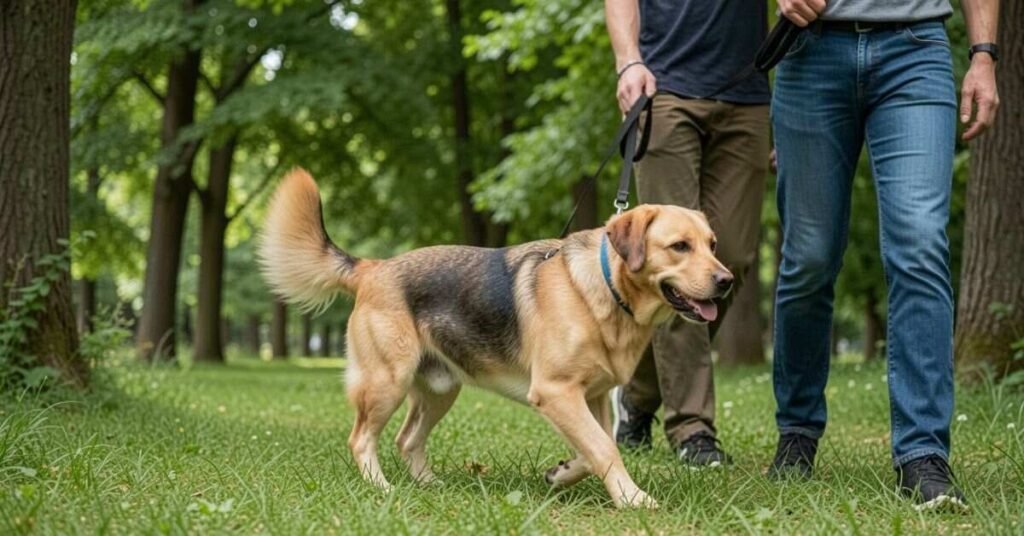
You can help prevent your dog from limping in the future by taking simple steps. Keep your dog at a healthy weight to reduce stress on the legs and joints. Regular exercise helps strengthen muscles, but avoid overexertion or high-impact activities that can cause injuries.
Other preventive measures include:
- Trim nails regularly to avoid breaks or tears
- Check paws for cuts, thorns, or foreign objects after walks
- Provide soft bedding and safe surfaces for play
- Consider joint supplements if recommended by your vet
- Schedule regular veterinary check-ups to catch issues early
Conclusion
There are many reasons why a dog might limp on a front leg. Some problems are minor, like a small cut or nail injury. Others are more serious, such as fractures, joint issues, or ligament tears. Observing your dog closely is the first step to help them recover.
Early action is important. If you see severe pain, swelling, or sudden inability to walk, contact your veterinarian immediately. Quick care can prevent complications and make recovery faster. Minor injuries may improve with rest and proper care at home.
Knowing the common causes of limping helps you act correctly. Injuries, arthritis, joint problems, and infections are all possible reasons. Gentle examination at home and preventive measures can keep your dog safe. Always monitor changes in behavior or movement.
With the right care, most dogs recover well from front-leg limping. Follow your veterinarian’s advice, provide rest, and ensure safe activity. Regular check-ups, proper exercise, and paw care can prevent future problems. Your attention and care make a big difference in your dog’s health and happiness.
FAQs
1. Can a dog’s limp go away on its own?
Some mild injuries, like small cuts or minor sprains, may improve with rest and limited activity. However, persistent or painful limping usually requires a veterinarian’s care. Monitoring your dog closely helps prevent worsening of the injury.
2. How long does front-leg limping usually take to heal?
Healing time depends on the cause. Minor sprains or nail injuries may take a few days to a week. Serious injuries, fractures, or surgeries can take several weeks. Always follow your vet’s guidance for proper recovery.
3. Should I still walk my dog if it’s limping?
Avoid long walks or high-impact activity while your dog is limping. Gentle, short movements may be allowed if recommended by a vet. Rest helps muscles, joints, and injured areas heal faster.
4. When should I take my dog to the vet?
See a veterinarian if the limp is severe, does not improve in 24–48 hours, or is accompanied by swelling, bleeding, or signs of pain. Immediate care is needed for fractures, dislocations, or serious joint problems.
5. Can joint supplements help prevent future limping?
Yes, supplements like glucosamine, chondroitin, or omega-3 fatty acids may support joint health. They can help reduce stiffness and inflammation in dogs prone to arthritis or joint issues. Always consult your veterinarian before giving supplements.
