

Introduction
Dog coughing and gagging is a common symptom many pet owners notice at some point. It happens when a dog makes a harsh throat sound, hacks repeatedly, or acts like something is stuck in the throat. Sometimes it is mild and goes away quickly. Other times, it can signal an underlying health problem that needs attention.
It can be scary to hear your dog coughing late at night or gagging after drinking water. You may wonder if it’s just a small irritation or something serious. Is it kennel cough? Could it be heart disease? Or is your dog choking?You can protect your pet’s health by knowing the difference.
In this guide, you’ll learn the common causes of dog coughing and gagging, warning signs to watch for, treatment options, and simple prevention tips. This information will help you understand what’s normal, what’s not, and when it’s time to call your vet.
Why Is My Dog Coughing and Gagging?
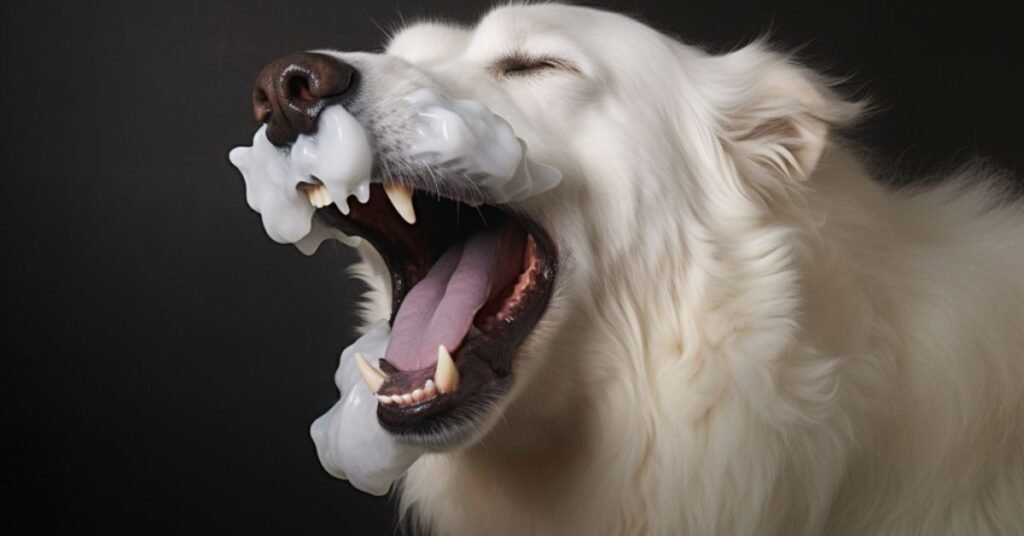
Your dog may be coughing and gagging for many different reasons. Sometimes it happens because of a minor throat irritation. Dust, smoke, or pulling hard on a leash can trigger coughing. In other cases, your dog may act like something is stuck in the throat. This can cause repeated gagging sounds.
However, coughing and gagging can also be linked to health problems. Kennel cough, respiratory infections, heart disease, or allergies are common causes. Small breeds may develop tracheal collapse, which leads to a dry, honking cough. If the coughing lasts more than a few days or gets worse, it is best to speak with a veterinarian.
What This Symptom Usually Indicates
This symptom usually shows that something is not normal in your dog’s body. It may be a sign of a mild issue, such as an upset stomach or temporary discomfort. Sometimes dogs show symptoms after eating something unusual or when they are stressed. In many cases, the problem goes away once the dog rests and returns to a normal routine.
However, the symptom can also point to a health problem that needs attention. It may be linked to infection, digestive trouble, allergies, or another underlying condition. Watching your dog closely can help you understand how serious the issue might be. If the symptom lasts for more than a day or gets worse, it is best to speak with a veterinarian.
Common things this symptom may indicate:
- Mild stomach upset or indigestion
- Eating spoiled food or something unusual
- Stress or sudden change in diet
- Parasites or intestinal problems
- Infection or inflammation in the body
- An underlying health condition that needs treatment
Coughing vs. Gagging vs. Vomiting in Dogs
Coughing, gagging, and vomiting may sound similar, but they are not the same. They usually comes from the lungs or airways. It sounds dry, sharp, or like a honk. Gagging happens in the throat and often looks like your dog is trying to clear something. Vomiting is different because food or liquid actually comes out of the stomach.
It is important to know the difference. Each symptom can point to a different problem. A cough may be linked to respiratory disease. Gagging may mean throat irritation or something stuck. Vomiting usually involves stomach issues. Watching your dog closely can help you explain the problem clearly to your vet.
| Feature | Coughing | Gagging | Vomiting |
| Where It Starts | Lungs or airways | Throat | Stomach |
| Sound | Dry, hacking, or honking | Retching or choking sound | Heaving with stomach movement |
| Body Movement | Neck stretched forward | Mouth open, trying to expel something | Strong belly contractions |
| Does Food Come Out? | No | Rarely | Yes, food or liquid comes out |
| Common Causes | Kennel cough, heart disease, infections | Throat irritation, foreign object | Stomach upset, eating too fast |
| Emergency Risk | If breathing is difficult | If choking is suspected | If repeated or contains blood |
| When to Call the Vet | Lasts more than a few days | Happens suddenly or often | Frequent, severe, or with weakness |
Dry vs. Wet Cough How to Tell the Difference
A dry cough sounds harsh and hacking. This may remind you of a honking sound. It usually does not bring up mucus. Dogs with a dry cough often keep coughing in short bursts. This type of cough is common with kennel cough or throat irritation.
A wet cough sounds deeper and moist. You may hear mucus moving in the chest. Sometimes your dog may swallow after coughing. A wet cough often points to infections or fluid in the lungs. It should be checked if it lasts more than a few days.
| Feature | Dry Cough | Wet Cough |
| Sound | Harsh, hacking, honking | Deep, moist, gurgling |
| Mucus Present | No | Yes, may hear or see mucus |
| Common Feeling | Throat irritation | Chest congestion |
| Typical Causes | Kennel cough, tracheal irritation, mild airway inflammation | Pneumonia, lung infection, fluid buildup |
| Frequency | Short repeated bursts | Slower but heavier coughs |
| After-Cough Action | Dog resumes normal activity quickly | Dog may swallow or seem tired |
| Breathing Changes | Usually normal between coughs | May have labored breathing |
| Risk Level | Often mild but can worsen | More serious if persistent |
| When to Call the Vet | If it lasts more than a few days | If breathing is difficult or cough worsens |
| Emergency Signs | Blue gums, choking signs | Rapid breathing, weakness, fever |
Signs Your Dog May Be Choking
A dog may choke when something is stuck in its throat. It can happen suddenly while eating or playing. You may notice your dog pawing at its mouth or gagging repeatedly. The dog may also cough forcefully but nothing comes out. Choking can be serious and needs quick attention.
Other common signs include:
- Drooling more than usual
- Panic or unusual restlessness
- Difficulty breathing or noisy breathing
- Blue or pale gums
- Holding its mouth open or extending the neck
Common Causes of Dog Coughing and Gagging

Dog coughing and gagging can happen for many reasons. Sometimes it is mild, like throat irritation from dust or smoke. It can also be a sign of illness at other times. Knowing the cause helps you give the right care and decide if a vet visit is needed.
Some common causes include:
- Kennel cough – a contagious respiratory infection
- Respiratory infections – pneumonia or canine influenza
- Allergies – pollen, dust, or environmental irritants
- Tracheal collapse – especially in small breeds
- Heart problems – heart disease or heartworm
- Foreign objects – something stuck in the throat
Kennel Cough (Canine Infectious Tracheobronchitis)
Kennel cough is a common respiratory infection in dogs. It spreads easily in places where many dogs gather, like kennels, parks, or dog shows. Dogs with kennel cough usually have a dry, hacking cough. They may also gag or retch, especially after excitement or exercise. Most dogs stay active and eat normally, but the cough can last for weeks.
Kennel cough is caused by bacteria or viruses. Vaccines can help prevent it, but even vaccinated dogs can sometimes get sick. Most cases are mild and improve with rest and supportive care. In some dogs, especially puppies or older dogs, it can lead to more serious lung infections. If your dog has a persistent cough or trouble breathing, a vet should be consulted.
Respiratory Infections Like Pneumonia or Canine Influenza
Respiratory infections can make dogs feel very sick. Two common problems are pneumonia and canine influenza. These illnesses affect the lungs and breathing system. Dogs may start coughing, sneezing, or breathing faster than normal. They may also feel tired and lose their appetite. In serious cases, breathing can become difficult.
These infections are often caused by bacteria or viruses. Dogs can catch them from other infected dogs, especially in crowded places like shelters or kennels. Cold weather and weak immune systems can also increase the risk. Early treatment is important to prevent the infection from getting worse.
| Respiratory Infection | Main Cause | Common Symptoms | Risk Factors | Possible Treatment |
| Pneumonia | Bacteria, viruses, or inhaled substances | Coughing, fever, breathing trouble | Weak immune system, other illnesses | Antibiotics, oxygen therapy |
| Canine Influenza | Dog flu virus | Coughing, nasal discharge, fever | Contact with infected dogs | Rest, fluids, vet care |
| Kennel Cough | Bacterial or viral infection | Dry cough, sneezing | Boarding kennels, dog parks | Cough medicine, antibiotics |
| Bronchitis | Airway inflammation | Persistent cough, fatigue | Smoke, dust, allergies | Anti-inflammatory medication |
| Lungworm Infection | Parasites affecting lungs | Coughing, breathing difficulty | Contact with infected soil or snails | Deworming medication |
| Fungal Lung Infection | Fungal spores from soil | Fever, coughing, weight loss | Outdoor exposure in contaminated areas | Antifungal medication |
| Aspiration Pneumonia | Inhaling food, vomit, or liquid | Severe coughing, rapid breathing | Vomiting disorders, anesthesia | Antibiotics, supportive care |
Allergies and Environmental Irritants
Allergies are a common reason why dogs develop skin problems. A dog may react to pollen, dust, mold, or certain plants in the environment. These allergens can irritate the skin and cause itching. Your dog may scratch, lick, or chew the same area often. Over time, the skin can become red, dry, or inflamed.
Environmental irritants can also trigger skin discomfort. Things like household cleaners, perfumes, grass chemicals, or cigarette smoke may bother sensitive dogs. Even some shampoos or fabrics can cause irritation. If your dog keeps scratching after being outside or after contact with certain products, an irritant may be the cause.
| Environmental Allergen / Irritant | Where It Is Commonly Found | Possible Symptoms in Dogs | Prevention Tips |
| Pollen | Grass, trees, flowers | Itchy skin, paw licking, red eyes | Wipe paws after walks, limit outdoor time during high pollen |
| Dust Mites | Carpets, bedding, furniture | Sneezing, itching, skin irritation | Wash bedding regularly, vacuum often |
| Mold | Damp areas, basements, bathrooms | Skin itching, breathing issues | Keep home dry and well ventilated |
| Cleaning Chemicals | Floor cleaners, sprays, disinfectants | Paw irritation, redness, licking | Use pet-safe cleaning products |
| Lawn Chemicals | Fertilizers, pesticides | Skin rash, paw chewing | Avoid treated lawns or rinse paws |
| Cigarette Smoke | Indoor smoking areas | Eye irritation, coughing, itching | Keep dogs away from smoke |
| Strong Shampoos | Grooming products | Dry skin, flaking, redness | Use gentle dog shampoos |
| Certain Fabrics | Rough blankets, synthetic materials | Skin rubbing, irritation | Choose soft, breathable bedding |
Structural and Airway Conditions
Some dogs cough and gag due to problems in their airways or throat structure. Small breeds often have tracheal collapse, which makes the windpipe weak. This causes a dry, honking cough. Other dogs may have narrowing of the airways or abnormalities in the throat. These conditions can make breathing noisy or difficult.
Some common structural and airway conditions are summarized below:
| Condition | Common Breeds | Key Symptoms | Severity | Treatment |
| Tracheal Collapse | Small breeds like Yorkies, Chihuahuas, Pomeranians | Dry, honking cough, gagging, difficulty breathing | Mild to Severe | Weight management, medications, sometimes surgery |
| Laryngeal Paralysis | Larger breeds like Labradors, Golden Retrievers | Noisy breathing, coughing, exercise intolerance | Moderate to Severe | Surgery, lifestyle changes |
| Narrowed Airways | Brachycephalic breeds (Bulldogs, Pugs) | Snoring, gagging, coughing | Mild to Moderate | Surgical correction, managing weight |
| Foreign Object in Throat | Any breed | Sudden coughing, gagging, pawing at mouth | Can be life-threatening | Immediate veterinary removal |
| Soft Palate Elongation | Brachycephalic breeds | Snoring, gagging, difficulty swallowing | Mild to Moderate | Surgery, supportive care |
Tracheal Collapse in Small Breeds
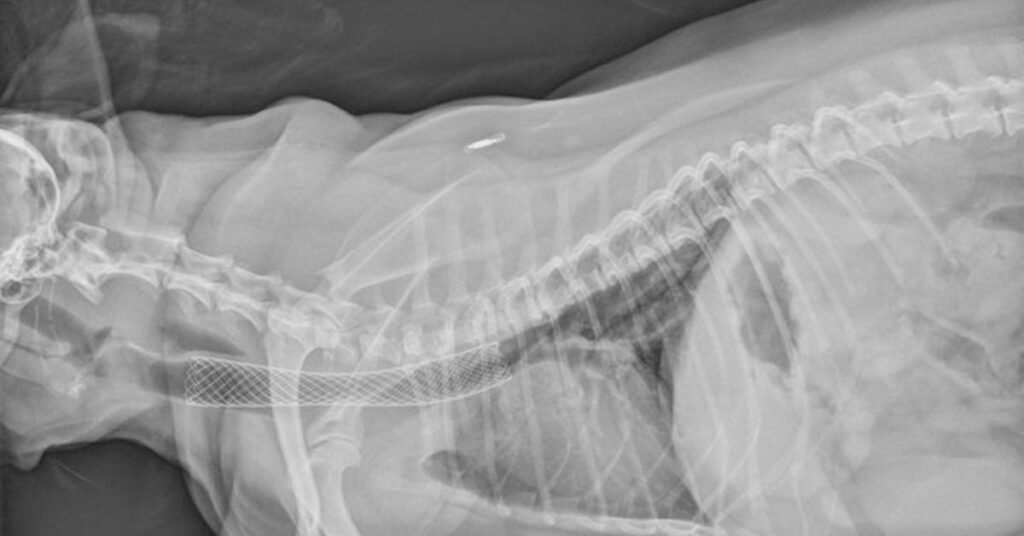
Tracheal collapse is common in small dog breeds. It happens when the windpipe becomes weak and floppy. This makes it harder for air to pass through. Dogs with tracheal collapse often have a dry, honking cough. The cough may get worse with excitement, exercise, or pulling on a leash.
Other signs can include gagging, difficulty breathing, or fainting in severe cases. Small breeds like Yorkies, Chihuahuas, and Pomeranians are most at risk. Treatment may include medications, weight management, and avoiding triggers. In serious cases, surgery may be needed to support the airway.
Heart-Related Causes of Coughing in Dogs
Coughing and gagging in dogs can sometimes be caused by heart problems. Lung fluid can build up due to heart disease. This leads to a persistent, often wet cough. Dogs may also tire easily or breathe faster than normal. Heart issues are more common in older dogs or certain breeds.
Some common heart-related causes are summarized below:
| Condition | Common Breeds | Key Symptoms | Severity | Treatment |
| Congestive Heart Failure | Small breeds like Cavalier King Charles Spaniels, Dachshunds | Persistent cough, difficulty breathing, fatigue | Moderate to Severe | Medications, diet changes, lifestyle management |
| Heartworm Disease | Any breed | Coughing, gagging, lethargy, weight loss | Can be life-threatening | Heartworm treatment, preventatives |
| Dilated Cardiomyopathy | Large breeds like Dobermans, Boxers | Coughing, weakness, rapid breathing | Severe | Medications, regular monitoring, supportive care |
| Chronic Heart Valve Disease | Small to medium breeds | Wet cough, exercise intolerance, fainting | Mild to Severe | Medications, weight management, monitoring |
| Pulmonary Edema (Fluid in Lungs) | Any breed with heart disease | Wet cough, rapid breathing, blue gums | Emergency | Immediate veterinary care, medications |
Congestive Heart Failure
Congestive heart failure happens when the heart cannot pump blood properly. This can cause fluid to build up in the lungs. Dogs with this condition often have a wet or persistent cough. They may also tire easily, breathe faster, or seem weak.
Other signs include reduced appetite, swelling in the abdomen, or fainting in severe cases. Small breeds like Cavalier King Charles Spaniels and Dachshunds are more prone to this condition. Treatment usually involves medications, diet changes, and monitoring by a veterinarian. Early care can help your dog live longer and feel better.
Heartworm Disease
Heartworm disease is caused by parasites that live in the heart and lungs. These worms block blood flow and make breathing difficult. Dogs with heartworm may cough, gag, or tire easily. Some dogs show little signs at first, but the condition can get serious over time.
Other symptoms can include weight loss, difficulty exercising, and fainting in severe cases. Any breed can get heartworm, but dogs in areas with mosquitoes are at higher risk. Prevention with monthly medication is important. If a dog is infected, a veterinarian can provide treatment to remove the worms safely.
When Is Dog Coughing and Gagging an Emergency?
Coughing and gagging in dogs can turn serious quickly. If your dog struggles to breathe or seems panicked, it is an emergency. Signs like pale or blue gums, fainting, or extreme weakness mean immediate help is needed. Persistent gagging or vomiting, especially with blood or foam, is also dangerous.
Other warning signs include rapid breathing, severe lethargy, or confusion. If any of these occur, contact your veterinarian right away. Acting fast can prevent serious health problems and can save your dog’s life.
Warning Signs That Require Immediate Vet Care
Some signs in dogs mean you should see a vet immediately. These signs often show a serious problem with the heart, lungs, or airway. Quick action can prevent complications and save your dog’s life.
Watch for these warning signs:
- Difficulty breathing or rapid breathing
- Blue or pale gums
- Fainting or collapsing
- Persistent gagging or choking
- Vomiting blood or frothy liquid
- Extreme weakness or lethargy
How Veterinarians Diagnose the Cause
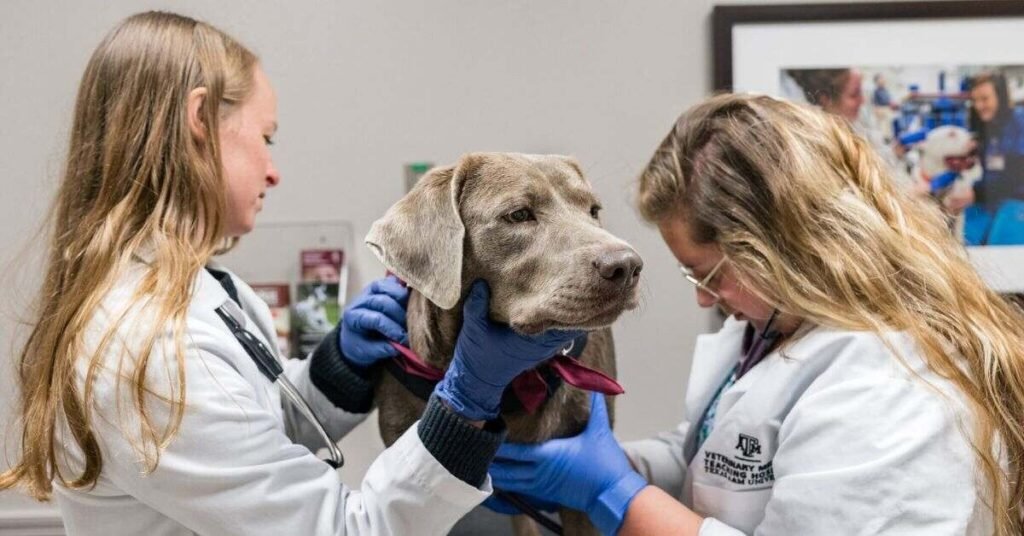
Veterinarians use several methods to find out why a dog is coughing or gagging. It start with a physical exam, checking the throat, chest, and breathing. They may listen to the heart and lungs to detect unusual sounds.
If needed, the vet may use X-rays, blood tests, or other imaging to look for infections, heart problems, or airway issues. They may also ask about your dog’s history, symptoms, and environment. This helps them decide the best treatment plan.
Physical Exam, X-Rays, and Blood Tests
When a dog coughs or gags, a veterinarian often starts with a physical exam. They check the throat, lungs, and heart. The vet listens for unusual sounds when your dog breathes. This helps identify possible infections, heart issues, or airway problems.
Additional tests like X-rays and blood tests give more detailed information. X-rays can show fluid in the lungs or changes in the heart. Blood tests help detect infections, heartworm, or other illnesses. These tests guide the vet to the correct treatment.
| Test | Purpose | What It Shows | When It’s Used |
| Physical Exam | General health check | Breathing sounds, heart rate, throat condition | First step for all dogs with coughing or gagging |
| X-Rays | Imaging of chest and lungs | Fluid in lungs, heart size, airway problems | Suspected pneumonia, heart disease, or airway issues |
| Blood Tests | Check internal health | Infection, anemia, heartworm, organ function | Persistent cough, systemic illness, or pre-treatment screening |
| Heartworm Test | Detects heartworm infection | Presence of heartworm parasites | Dogs in mosquito-prone areas or with coughing/weakness |
| Pulse Oximetry | Measures oxygen levels | Blood oxygen saturation | Severe cough, difficulty breathing, emergency cases |
| Ultrasound | Imaging of heart and chest | Heart structure, fluid accumulation | Suspected heart disease or heart failure |
Treatment Options for Dog Coughing and Gagging
Treatment for coughing and gagging depends on the cause. Mild cases from throat irritation may improve with rest and avoiding triggers. Infections, heart problems, or airway issues need veterinary care and medications. Some conditions may require more advanced treatments or surgery.
Common treatment options include:
- Medications – antibiotics for infections, cough suppressants, or heart medications
- Fluid therapy – for dehydration or lung infections
- Surgery – in severe airway problems or foreign object removal
- Lifestyle changes – weight management, avoiding smoke, and limiting excitement
- Vaccinations – to prevent kennel cough or other infections
Medications, Home Care, and Prevention
Medications can help treat coughing and gagging in dogs. Antibiotics are used for infections. Cough suppressants may reduce frequent coughing. Heart medications help dogs with heart-related issues. Always give medicine exactly as prescribed by your veterinarian.
Home care and prevention are also important. Keep your dog away from smoke, dust, and strong chemicals. Maintain a healthy weight and avoid over-excitement during walks. Vaccinations can prevent diseases like kennel cough. Regular check-ups help catch problems early.
| Approach | Purpose | Examples | Notes |
| Antibiotics | Treat bacterial infections | Kennel cough, pneumonia | Only use if prescribed |
| Cough Suppressants | Reduce dry, hacking cough | Vet-prescribed syrups or tablets | Not for wet coughs with mucus |
| Heart Medications | Support heart function | Diuretics, ACE inhibitors | For heart disease or congestive heart failure |
| Environmental Control | Reduce irritants | Avoid smoke, dust, strong chemicals | Helps prevent coughing triggers |
| Weight Management | Reduce stress on lungs/heart | Healthy diet, regular exercise | Important for small and overweight dogs |
| Vaccination | Prevent infections | Kennel cough, canine influenza | Follow vet’s recommended schedule |
| Rest and Calm | Allow recovery | Quiet space, limited excitement | Especially important during illness |
Conclusion
Dog coughing and gagging can happen for many reasons. Sometimes it is mild, like throat irritation or allergies. Other times, it may signal serious problems like heart disease, infections, or airway issues. Understanding the cause is very important for proper care.
Watching your dog closely helps you notice warning signs early. Persistent coughing, gagging, trouble breathing, or blue gums are red flags. Quick action and a visit to the veterinarian can prevent complications. Early care can make a big difference in your dog’s health.
Treatment depends on the cause. Some dogs recover with rest and home care. Others may need medications, surgery, or special treatments. Preventive measures, like vaccinations and avoiding irritants, reduce the risk of future problems.
Taking care of your dog’s health and observing their behavior daily keeps them happy and safe. Knowing when to seek help ensures your dog gets the right treatment at the right time. Proper care improves recovery and quality of life.
FAQs
1. Why is my dog coughing and gagging after drinking water?
Sometimes dogs cough or gag after drinking water if it goes down the wrong way. It can also happen due to throat irritation, kennel cough, or a mild airway problem. If it happens often or lasts more than a few days, consult a veterinarian.
2. Can allergies cause my dog to cough and gag?
Yes, environmental allergies like pollen, dust, or smoke can trigger coughing and gagging. Dogs may also sneeze, have watery eyes, or lick their paws frequently. Reducing exposure and checking with a vet can help manage the symptoms.
3. How do I know if my dog’s cough is serious?
A cough is serious if it is persistent, wet, or comes with difficulty breathing, blue gums, or lethargy. Vomiting blood or collapsing are also emergency signs. In such cases, your dog should see a veterinarian immediately.
4. What treatments are available for dog coughing and gagging?
Treatment depends on the cause. Mild cases may improve with rest and avoiding irritants. Infections may need antibiotics, heart problems require medication, and severe airway issues sometimes need surgery. Always follow your vet’s guidance.
5. Can kennel cough be prevented in dogs?
Yes, kennel cough can be prevented with vaccinations. Limiting exposure to other dogs in high-risk areas also helps. Even vaccinated dogs can get mild infections, so monitoring your dog is important.

DogsVibes Editorial Team creates trusted, research-based dog care content to help pet owners keep their dogs healthy, happy, and safe.