

Introduction
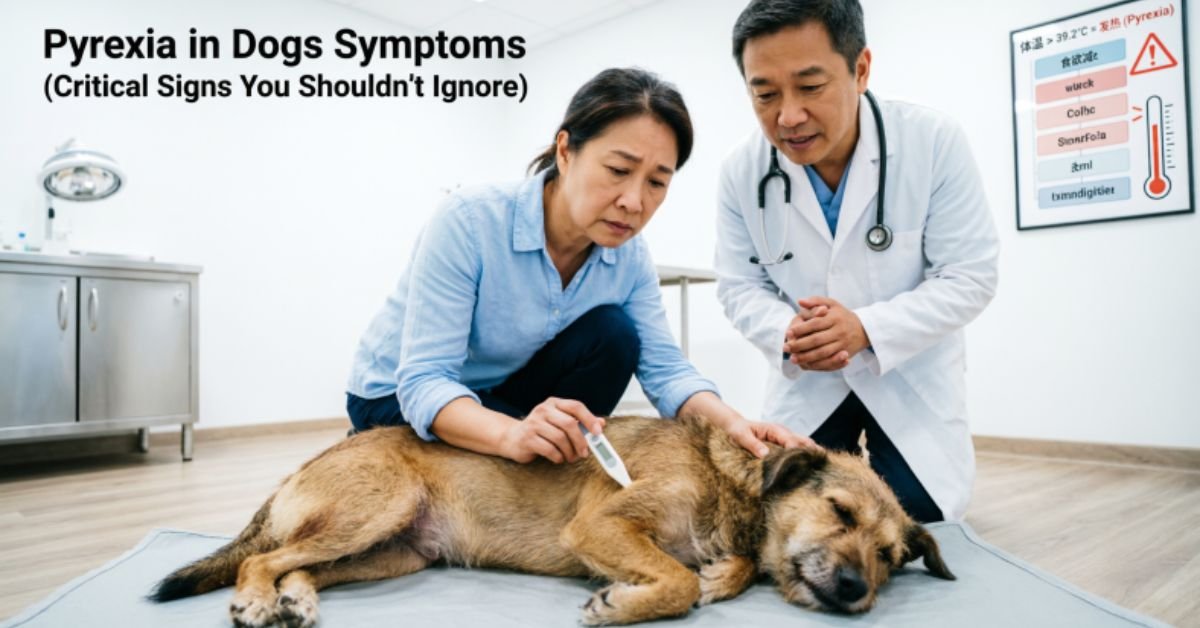
Pyrexia means fever. In simple words, it is when your dog’s body temperature rises above the normal range. A normal dog temperature is usually between 101°F and 102.5°F. If it goes higher than that, your dog may have a fever. Pyrexia is not a disease itself. It is a sign that something else is wrong inside the body.
Many pet owners do not notice the early warning signs. A dog cannot say they feel sick. Sometimes the symptoms are mild, like low energy or warm ears. Other times, the signs can be more serious. If you ignore pyrexia in dogs symptoms, the condition may get worse quickly.
In this article, you will learn how to recognize pyrexia in dogs symptoms early. We will cover common signs, possible causes, and when to see a vet. Knowing these signs can help you protect your dog’s health and act at the right time.
What Is Pyrexia in Dogs?

Pyrexia in dogs is another name for fever. It happens when a dog’s internal body temperature rises above the healthy range. For most dogs, normal temperature stays between 101°F and 102.5°F. If it goes beyond this level, it means the body is under stress. Fever itself is not a disease. It is usually a signal that something is wrong.
When a dog develops pyrexia, the body is often reacting to infection, inflammation, or another health issue. The immune system raises the temperature to help fight harmful germs. In some cases, this response is mild and short. But if the fever becomes too high or lasts too long, it can lead to serious problems. That is why understanding pyrexia in dogs is important for every pet owner.
Normal Body Temperature Range in Dogs
A dog’s normal body temperature is higher than a human’s.Healthy dogs have a temperature between 101°F and 102.5°F. This range can change slightly during the day. Small changes are normal after exercise, stress, or excitement. Puppies may also have slightly higher temperatures than adult dogs.
If a dog’s temperature rises above 103°F, it may be a fever. If it drops below 99°F, it can also be dangerous. That is why knowing the normal range is important. Checking your dog’s temperature with a digital rectal thermometer is the most accurate method. Understanding these numbers helps you notice problems early.
| Temperature (°F) | Temperature (°C) | What It Means | Action Needed |
| Below 99°F | Below 37.2°C | Abnormally low (possible hypothermia) | Seek veterinary care immediately |
| 99°F – 100.9°F | 37.2°C – 38.2°C | Slightly below normal | Monitor closely |
| 101°F – 102.5°F | 38.3°C – 39.2°C | Normal healthy range | No action needed |
| 102.6°F – 103°F | 39.3°C – 39.4°C | Slightly elevated | Watch for other symptoms |
| 103.1°F – 104°F | 39.5°C – 40°C | Mild fever | Contact a veterinarian |
| 104.1°F – 106°F | 40.1°C – 41.1°C | High fever | Seek veterinary care urgently |
| Above 106°F | Above 41.1°C | Emergency level | Immediate emergency treatment required |
What Temperature Is Considered a Fever?
A dog is considered to have a fever when their body temperature rises above 103°F (39.4°C). The normal range for most dogs is between 101°F and 102.5°F. A small increase may happen after play or stress. But if the temperature stays above 103°F, it is likely a true fever. This means the body is reacting to a problem.
If a dog’s temperature reaches 104°F or higher, it becomes more serious. Very high fevers can be dangerous and may damage organs if not treated. A temperature above 106°F is a medical emergency. If you notice a high reading, contact a veterinarian right away. Quick action can protect your dog’s health.
Pyrexia in Dogs Symptoms Early Signs to Watch For

Pyrexia in dogs symptoms can be mild at first. Many dogs simply seem tired or less active than usual. They may sleep more or avoid playtime. Some dogs lose interest in food or drink less water. These early signs are easy to miss if you are not paying close attention.
As the fever develops, other symptoms may appear. You might notice:
- Warm ears and nose
- Shivering or trembling
- Panting more than normal
- Red or glassy-looking eyes
- Vomiting or diarrhea
- Hiding or unusual behavior
Physical Symptoms of Fever in Dogs
Physical symptoms of fever in dogs are often easier to notice than behavioral changes. Your dog may feel warmer than usual when you touch their ears, belly, or paws. Some dogs start to shiver even when the room is not cold. You might also see heavy panting without exercise. These signs can mean the body temperature is rising.
Other physical changes may appear as the fever gets stronger. Watch for signs like:
- Dry or warm nose
- Red or watery eyes
- Loss of appetite
- Vomiting or diarrhea
- Weakness or low energy
- Fast heartbeat
Behavioral Changes That May Indicate Fever
Fever can affect your dog’s mood and daily habits. A dog that is usually active may suddenly seem slow and uninterested. They might skip meals or ignore treats they normally love. Simple routines, like going for a walk, may not excite them. These small changes can be an early sign that something is wrong.
Some dogs prefer to be alone when they feel unwell. They may rest in a quiet corner or avoid interaction. Other dogs may become extra clingy and seek comfort from their owner. You might also notice unusual restlessness or trouble settling down. Paying attention to these behavior shifts can help you spot a fever early.
Severe or Emergency Symptoms
Sometimes a dog’s fever can become very serious. High fevers can harm organs and become life-threatening. It is important to act quickly if you notice severe symptoms. Do not wait for them to get better on their own.
Watch for these emergency signs:
- Temperature above 106°F (41.1°C)
- Persistent vomiting or diarrhea
- Trouble breathing or rapid panting
- Seizures or shaking uncontrollably
- Collapse or extreme weakness
- Unresponsive or very disoriented behavior
How to Tell If Your Dog Has a Fever at Home

You can check if your dog has a fever at home using simple methods. The most accurate way is with a digital rectal thermometer. A normal dog’s temperature is between 101°F and 102.5°F. Anything above 103°F usually means a fever.
Other signs can help you notice a fever without a thermometer. Look for:
- Warm ears and nose
- Shivering or trembling
- Heavy panting without exercise
- Loss of appetite or water intake
- Unusual tiredness or hiding
- Vomiting or diarrhea
How to Safely Take Your Dog’s Temperature
To check your dog’s temperature safely, use a digital thermometer made for pets. Never rely on touch alone because it can be inaccurate. Make sure your dog is calm and relaxed before starting. If your dog is restless, ask someone to gently hold them.
Follow these steps for a safe and stress-free check:
- Apply a little lubricant, like petroleum jelly, to the thermometer tip.
- Slowly lift your dog’s tail and gently insert the thermometer about an inch.
- Hold it in place until the thermometer signals it has finished reading.
- Carefully remove the thermometer and note the temperature.
- Clean the thermometer well before storing it.
Can You Tell If a Dog Has a Fever Without a Thermometer?
It is possible to notice a fever without a thermometer, but it is not very accurate. You can watch your dog’s behavior and body signs. A dog with a fever may seem tired or weak. They might eat less or drink less water. Some dogs hide or become unusually quiet.
You can also look for physical clues. Their ears and nose may feel warmer than normal. Shivering, heavy panting, or a fast heartbeat can appear. Red or glassy eyes may also be a sign. These observations can help, but the only reliable way to know is by taking their temperature with a thermometer.
What Causes Pyrexia in Dogs?

Pyrexia in dogs happens when the body fights something harmful. Fever is usually a sign, not a disease itself. Many things can trigger a high temperature. Some causes are mild, while others need urgent care. Knowing the reasons helps you take action quickly.
Common causes of fever in dogs include:
- Infections Bacterial, viral, or fungal infections
- Inflammation – From injuries or immune system problems
- Vaccination reactions – Mild fever after shots is possible
- Toxins or poisons – Swallowed harmful substances
- Underlying illnesses – Diseases like cancer or organ problems
Bacterial and Viral Infections
Bacterial and viral infections are common causes of fever in dogs. These infections make the body react and raise its temperature. Dogs may catch viruses or bacteria from other animals, contaminated food, or the environment. Symptoms often include tiredness, loss of appetite, vomiting, or diarrhea. Early detection helps prevent serious illness.
Infections can range from mild to severe. Vaccinations can protect dogs from many viral diseases, but bacterial infections may need antibiotics. Below is a table showing common infections, their symptoms, and typical treatment:
| Infection Type | Common Examples | Symptoms | Treatment |
| Bacterial | Urinary tract infection (UTI), Leptospirosis, Bacterial pneumonia | Fever, vomiting, diarrhea, lethargy, frequent urination | Antibiotics, hydration, vet care |
| Viral | Canine parvovirus, Distemper, Canine influenza | Fever, vomiting, diarrhea, coughing, nasal discharge, lethargy | Supportive care, fluids, vaccination for prevention |
| Mixed | Tick-borne infections (e.g., Lyme disease) | Fever, joint pain, lameness, weakness | Antibiotics, vet supervision, tick control |
| Skin infections | Bacterial dermatitis | Redness, swelling, pus, fever in severe cases | Antibiotic ointments, oral antibiotics, cleaning the area |
| Respiratory infections | Kennel cough, canine influenza | Coughing, sneezing, fever, nasal discharge | Rest, fluids, sometimes antibiotics if secondary infection occurs |
Inflammatory and Autoimmune Conditions
Inflammatory and autoimmune conditions can cause pyrexia in dogs. In these cases, the dog’s immune system reacts strongly and raises the body temperature. The body may attack its own cells, thinking they are harmful. This can lead to fever, pain, and other health issues. Early detection is important to manage these conditions.
These conditions can vary in severity and may require long-term care. Below is a table showing common inflammatory and autoimmune problems, their symptoms, and possible treatments:
| Condition Type | Common Examples | Symptoms | Treatment |
| Autoimmune | Immune-mediated hemolytic anemia (IMHA), Immune-mediated thrombocytopenia (ITP) | Fever, lethargy, pale gums, weakness, bruising | Immunosuppressive drugs, vet monitoring, supportive care |
| Inflammatory | Inflammatory bowel disease (IBD), Pancreatitis | Fever, vomiting, diarrhea, abdominal pain, loss of appetite | Dietary management, anti-inflammatory medication, fluids |
| Joint inflammation | Arthritis, Polyarthritis | Fever, limping, stiffness, swelling | Pain relief, anti-inflammatory drugs, joint supplements |
| Skin inflammation | Atopic dermatitis, Severe allergic reactions | Redness, itching, fever in severe cases | Medications, antihistamines, topical care |
| Organ inflammation | Hepatitis, Nephritis | Fever, vomiting, lethargy, loss of appetite | Medication, supportive care, fluids, vet supervision |
Vaccine Reactions and Toxin Exposure
Sometimes dogs develop a mild fever after vaccination. This is usually short-term and harmless. It happens because the body is building immunity. Along with fever, your dog may be tired, lose appetite, or have slight swelling at the injection site. Most reactions go away within a day or two.
Toxin exposure can also cause fever in dogs.Plants, chemicals, or spoiled food may be consumed by dogs. Symptoms often appear quickly and can be serious. Early detection and treatment are very important.
Here’s a table showing common vaccine reactions and toxin exposures, with symptoms and recommended actions:
| Cause | Common Examples | Symptoms | Recommended Action |
| Vaccine Reaction | Rabies, Distemper, Parvovirus, Bordetella | Mild fever, tiredness, loss of appetite, swelling at injection site | Monitor at home, provide water, contact vet if symptoms persist >48 hours |
| Mild Toxin Exposure | Household cleaners, chocolate, certain plants | Vomiting, diarrhea, drooling, mild fever | Remove toxin, contact vet, monitor closely |
| Serious Toxin Exposure | Antifreeze, rat poison, human medications | High fever, tremors, seizures, collapse | Immediate veterinary care, bring any sample of the toxin |
| Food-related toxins | Spoiled food, raw meat with bacteria | Fever, vomiting, diarrhea, lethargy | Supportive care, veterinary evaluation, hydration |
| Environmental toxins | Pesticides, insecticides, contaminated water | Fever, drooling, weakness, difficulty breathing | Contact vet immediately, remove exposure source |
What to Do If Your Dog Has Pyrexia
When your dog has a fever, it’s important to act carefully. Start by keeping them calm in a quiet place. Make sure they have water to drink and stay comfortable. Never give human medicine, as it can be harmful to dogs.
Here are some steps you can take at home:
- Let your dog rest and avoid too much activity
- Offer water in small amounts often
- Watch for signs like vomiting, diarrhea, shivering, or heavy panting
- Write down their temperature and behavior to share with a vet
- Call a veterinarian if the fever is very high or does not go down in a day
Immediate Home Care Steps
If your dog has a fever, you can take some steps at home to make them more comfortable. Keep your dog in a quiet and cool area. Make sure they have fresh water to drink. Avoid giving human medications, as these can be dangerous.
Here are some things you can do right away:
- Let your dog rest without disturbance
- Offer small amounts of water frequently
- Keep the room at a comfortable temperature
- Monitor their breathing, energy level, and behavior
- Note the temperature and any changes to share with the vet
When to Call or Visit a Veterinarian
You should contact a veterinarian if your dog’s fever is very high or does not go down within a day. A temperature above 104°F (40°C) is serious and needs immediate attention. Also call the vet if your dog shows vomiting, diarrhea, trouble breathing, or extreme weakness. Sudden changes in behavior, like hiding or aggression, are also warning signs.
Even if the fever seems mild, it is important to monitor your dog closely. A fever that lasts more than a day or two, or is accompanied by pain or refusal to eat and drink, should never be ignored. Early veterinary care can prevent serious complications and help your dog recover faster and safely.
Veterinary Diagnosis and Treatment for Pyrexia in Dogs
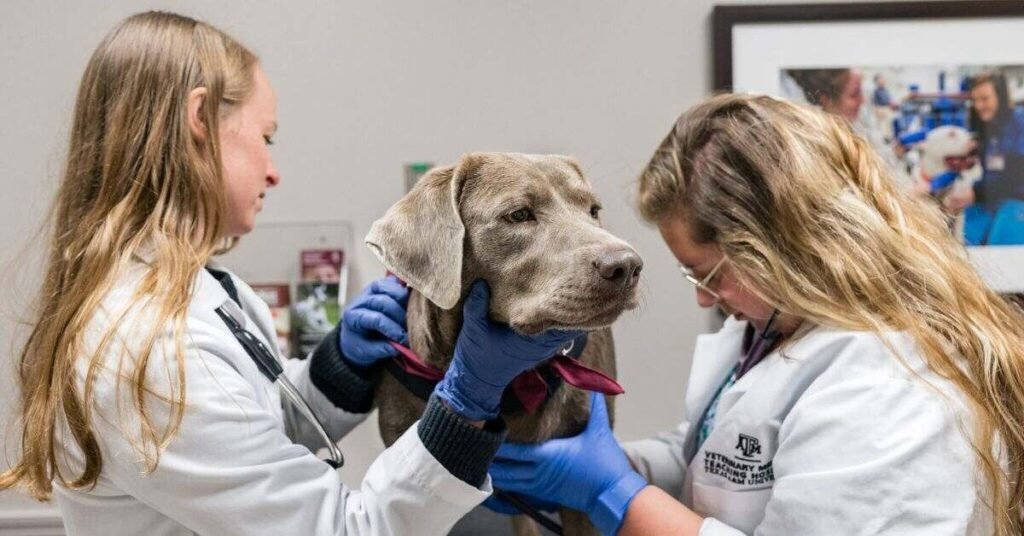
When a dog has pyrexia, a veterinarian will first perform a thorough examination. They will check the dog’s temperature, heart rate, and overall health. The vet may run tests like blood work, urine tests, or X-rays to find the cause of the fever. Correct diagnosis is important because fever is usually a sign of an underlying problem.
Treatment depends on the cause of the fever. Some dogs may need medication like antibiotics or anti-inflammatories. Others may require fluids, rest, or specialized care for infections, toxins, or autoimmune issues. The veterinarian will guide you on the best plan to help your dog recover safely.
Here’s a table showing common causes, diagnostic tests, and treatments:
| Cause of Fever | Diagnostic Tests | Typical Treatment |
| Bacterial infection | Blood test, urine test, culture | Antibiotics, hydration, rest |
| Viral infection | Blood test, swab tests | Supportive care, fluids, monitoring |
| Inflammatory conditions | Blood test, imaging | Anti-inflammatory medications, special diet |
| Autoimmune disorders | Blood tests, immune panels | Immunosuppressive drugs, vet monitoring |
| Vaccine reaction | Physical exam, temperature check | Usually self-limiting, supportive care |
| Toxin exposure | Blood work, toxin analysis | Activated charcoal, fluids, emergency care |
| Organ-related illness | Blood tests, X-ray, ultrasound | Medications, fluids, surgery if needed |
Diagnostic Tests Your Vet May Perform
When a dog has a fever, the veterinarian will run tests to find out what is causing it. They start with a physical check and ask about your dog’s recent health and behavior. This helps the vet understand how serious the fever is and what may be behind it. Correct diagnosis is important for effective treatment.
Some tests your vet may use include:
- Blood tests – check for infections, organ function, or inflammation
- Urine tests – detect kidney issues or urinary infections
- X-rays or ultrasound – examine internal organs for problems
- Swabs or cultures – identify bacteria or viruses
- Fecal tests – check for parasites or digestive issues
Common Treatment Options
The treatment for pyrexia in dogs depends on what is causing the fever. In many cases, the veterinarian will prescribe medicine to treat infections or inflammation. Some dogs may also need fluids to stay hydrated and rest to recover. Treatment is designed to help the dog feel better while the underlying problem is addressed.
Common treatment approaches may include:
- Antibiotics – for bacterial infections
- Antiviral or antifungal medications – for certain infections
- Anti-inflammatory drugs – to reduce fever and pain
- Fluids – to prevent dehydration and support recovery
- Special diets – for digestive or organ-related issues
- Hospital care – for severe cases or toxin exposure
Conclusion
Pyrexia in Dogs Symptoms refer to signs of fever that show something is wrong in your dog’s body. It is usually caused by infections, inflammation, toxins, or other health issues. Fever itself is not a disease but a symptom. Paying attention to changes in behavior or body temperature is important.
Early detection of Pyrexia in Dogs Symptoms can make a big difference. Watching for signs like tiredness, loss of appetite, shivering, or hiding helps you notice a fever quickly. Checking your dog’s temperature with a thermometer gives an accurate reading. Observing your dog at home is the first step in keeping them healthy.
If you notice Pyrexia in Dogs Symptoms that are severe or persistent, always contact a veterinarian. A proper diagnosis is needed to find the cause and provide the right treatment. Some fevers are mild, but others can be serious or even life-threatening if not treated on time.
Taking care of your dog during Pyrexia in Dogs Symptoms is important. Keep them calm, give fresh water, and follow the vet’s instructions. With early action and proper care, most dogs recover well and return to their normal, happy selves.
FAQs
1. What is pyrexia in dogs?
Pyrexia means a high body temperature, or fever. It is a sign that the dog’s body is fighting infection, inflammation, or another health issue.
2. How can I tell if my dog has a fever at home?
You can notice Pyrexia in Dogs Symptoms through behavior changes like tiredness, loss of appetite, shivering, or hiding. Use a digital thermometer for accuracy.
3. What temperature is considered a fever in dogs?
Normal temperature is 101°F to 102.5°F. Above 103°F is fever, and above 104°F is dangerous.
4. Can mild fevers go away on their own?
Some mild cases of Pyrexia in Dogs Symptoms may resolve on their own, but persistent fever needs veterinary care.
5. What should I do if my dog has a high fever?
Keep your dog calm, offer water, and avoid human medicine. Contact a vet immediately, especially if symptoms are severe.

DogsVibes Editorial Team creates trusted, research-based dog care content to help pet owners keep their dogs healthy, happy, and safe.