

Introduction
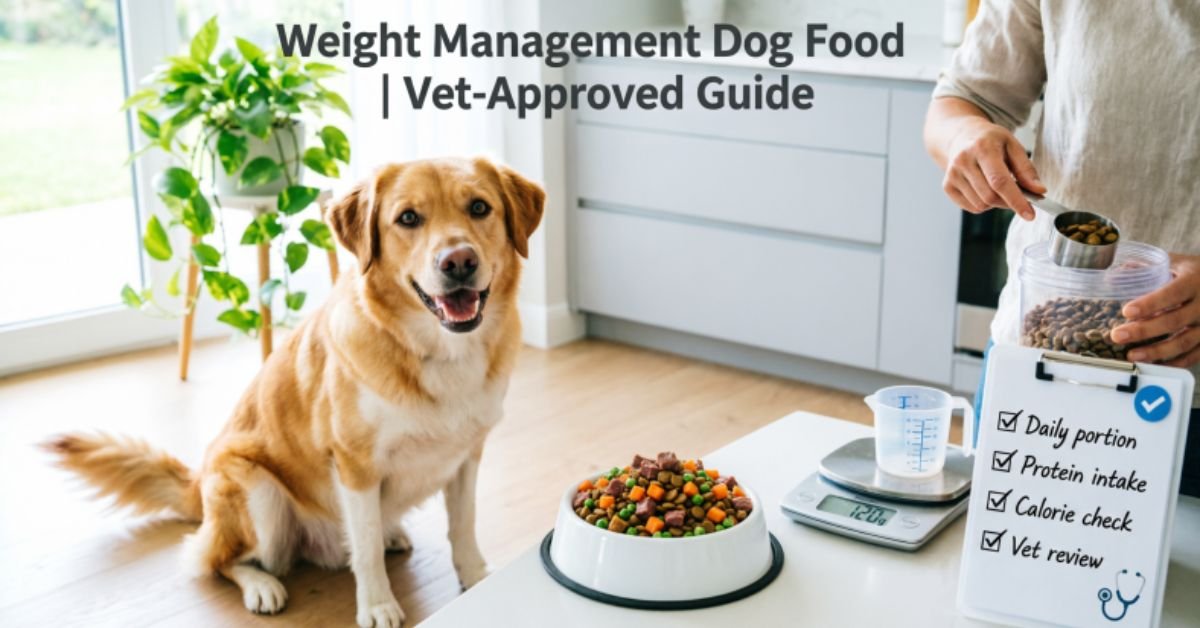
Weight management dog food is specially made to help dogs lose or maintain a healthy weight. It contains fewer calories than regular dog food. It also has balanced protein and fiber to keep dogs full longer. This type of food supports safe and steady weight control.
Many dog owners do not realize their pet is overweight. Being overweight can cause joint stress, diabetes, and heart disease in dogs.The right food can make a big difference. Choosing the correct formula can improve your dog’s energy and overall health.
In this guide, you will learn how weight management dog food works. You will discover what ingredients to look for and what to avoid. You will also understand when to talk to your vet and how to build a safe weight loss plan for your dog.
Why Weight Management Dog Food Is Important

Weight management dog food is important because obesity is common in dogs. Extra weight puts pressure on their joints and organs. It can lead to health problems like diabetes, heart disease, and low energy. Overweight dogs may also struggle to play or move comfortably. The right food helps control calories and support a healthier body.
This type of food is made with balanced nutrients and fewer calories. It often includes more fiber to help dogs feel full. That means they can eat proper portions without feeling hungry. When combined with regular exercise, weight management dog food helps dogs live longer and happier lives.
Health Risks of Canine Obesity
Canine obesity is a serious health problem. It happens when a dog carries too much body fat. Extra weight puts stress on the body. It makes simple movements harder. Many overweight dogs get tired quickly. They may not enjoy playtime like before.
Too much weight can lead to other diseases. It can cause joint pain and arthritis. It can increase the risk of diabetes and heart trouble. Breathing problems are also common. Obese dogs often live shorter lives. Keeping a healthy weight helps dogs stay active and happy
Benefits of Maintaining a Healthy Dog Weight

Keeping your dog at a healthy weight brings many benefits. It helps them move easily and stay active. A fit dog can run, jump, and play without pain. Their joints feel less pressure. Their heart and lungs work better. They also have more energy for daily activities.
A healthy weight can also improve your dog’s overall life. It lowers the risk of serious diseases. It can help them live longer and feel happier. Good weight control supports both physical and mental health.
Key benefits include:
- Better joint and bone health
- Lower risk of diabetes and heart disease
- Improved stamina and energy levels
- Easier breathing
- Longer and more comfortable life
Calories, Protein & Fiber Balance
Dogs need the right balance of calories, protein, and fiber to stay healthy. Too many calories can cause weight gain. Too little protein can make them weak. Fiber helps digestion and keeps them full. Each dog has different needs based on age, size, and activity. Choosing food with balanced nutrients helps maintain energy and health.
Here’s a simple guide for common dog sizes and their nutritional needs:
| Dog Size | Daily Calories (kcal) | Protein (%) | Fiber (%) |
| Small (up to 10 lbs) | 200–400 | 18–22 | 3–5 |
| Medium (11–50 lbs) | 400–1200 | 20–25 | 3–6 |
| Large (51–100 lbs) | 1200–2200 | 22–28 | 4–6 |
| Giant (100+ lbs) | 2200+ | 25–30 | 4–6 |
Ingredients to Avoid in Weight-Loss Formulas
Some ingredients in dog food can make weight loss harder. Foods high in sugar or fat add extra calories. Artificial colors, flavors, and preservatives can be harmful. Fillers like corn, wheat, or soy may upset digestion and give little nutrition.
Low-quality proteins and by-products should also be avoided. Too much salt can affect the heart and kidneys. Always check labels before buying. Choosing natural, high-quality ingredients helps dogs lose weight safely and stay healthy.
How to Start a Weight Loss Plan for Your Dog

Start by checking your dog’s current weight and body condition. Talk to a vet before making changes. They can recommend a healthy target weight. Keep track of your dog’s meals and snacks. Small changes over time work best.
Next, choose a balanced weight-loss dog food. Measure portions carefully. Increase exercise slowly, like walks or playtime. Avoid giving too many treats. Reward with praise or a healthy low-calorie option instead. Consistency is key for safe and lasting results.
Use a Commercial Weight-Control Diet
A commercial weight-control diet is made for dogs that need to lose weight. It has fewer calories but keeps protein high. Fiber is added to help your dog feel full. These diets make it easier to control portions and avoid overfeeding.
Always follow the feeding guidelines on the package. Don’t give extra treats unless your vet approves. Monitor your dog’s weight regularly. A proper weight-control diet, combined with exercise, helps your dog stay healthy and active.
How Much Should I Feed My Dog?
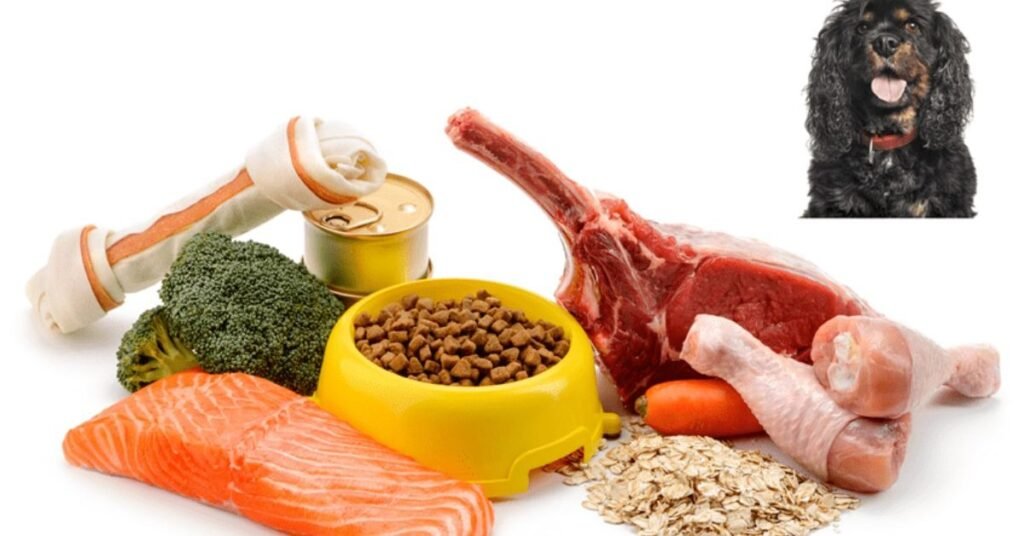
How much food your dog needs depends on their size, age, and activity. Young dogs and very active dogs burn more energy, so they need larger portions. Older or less active dogs need smaller amounts. Always follow the recommended serving on the dog food label.
Measure your dog’s food carefully using a cup or scale. Divide meals into two or three servings each day. Avoid leaving food out all the time, as this can cause weight gain. Check your dog’s weight often and adjust portions as needed. This keeps your dog fit, healthy, and happy.
Best Weight Management Dog Food by Category
Choosing the right weight management food depends on your dog’s needs. Some dogs need low-calorie food, while others need high protein or extra fiber. Choose foods that are nutritious, well-balanced, and recommended by veterinarians.
Here are some common categories to consider:
- Low-Calorie Diets : Helps reduce weight safely.
- High-Protein Formulas : Keeps muscles strong while losing fat.
- High-Fiber Foods : Helps dogs feel full for longer.
- Limited Ingredient Diets : Good for dogs with allergies or sensitive stomachs.
- Grain-Free Options :Helps with digestion and can reduce weight gain in some dogs.
Best for Small, Large & Senior Dogs
Different dogs have different needs when it comes to weight management food. Small dogs burn calories fast and need smaller kibble that is easy to chew. Large dogs need foods that support joints while helping with weight. Senior dogs need gentle formulas that are easy on the stomach and help keep muscle. Choosing the right type helps your dog stay healthy and active.
Here are good options by dog type:
- Small Dogs : Foods with small kibble and balanced calories.
- Large Dogs : Formula with joint support and lean protein.
- Senior Dogs : Diets with added fiber and soft, easy-to-chew pieces.
- All Sizes (General) : Weight management food with high protein and low fat.
Veterinary vs Over-the-Counter Weight Loss Dog Food
Weight loss dog foods come in two main types: veterinary and over-the-counter (OTC). Veterinary diets are made for dogs with special health needs. They are prescribed by a vet and are usually stricter in calories, protein, and nutrients. OTC diets are available at stores and online. They help with weight loss but may not be suitable for dogs with health issues.
Here’s a comparison to help you choose:
| Feature | Veterinary Weight Loss Food | Over-the-Counter (OTC) Weight Loss Food |
| Availability | Only through a veterinarian | Stores and online |
| Prescription Required | Yes | No |
| Calorie Control | Very strict and precise | Moderate, may vary by brand |
| Protein Level | High to maintain muscle | Moderate to high |
| Fiber Content | Optimized for fullness and digestion | Usually added but varies |
| Special Health Support | Can help with joint, kidney, or heart issues | General weight loss support |
| Cost | Higher | Lower |
| Vet Supervision | Required | Optional |
| Ideal For | Dogs with health problems or obesity risk | Healthy dogs needing general weight control |
What Makes Veterinary Diets Different?
Veterinary diets are specially made for dogs with health needs. They are prescribed by vets and designed for safe weight loss. These foods have precise calories, high-quality protein, and added fiber. They can also include nutrients to support joints, heart, or kidneys. Using a veterinary diet helps dogs lose weight safely and stay healthy.
Key features of veterinary diets:
- Strict calorie control to prevent overfeeding
- High protein to maintain muscle mass
- Added fiber for fullness and better digestion
- Nutrients for joint, heart, or kidney support
- Formulated for long-term weight management
When to Talk to Your Veterinarian
You should talk to your vet if your dog is overweight or gaining weight fast. Vets can check for health problems that make weight loss hard. They can help set a safe target weight and suggest the right diet.
Also, talk to your vet if your dog has trouble eating, vomiting, or diarrhea. Sudden weight changes or low energy are warning signs. Regular check-ups help keep your dog healthy and on track with weight loss.
Additional Strategies for Effective Dog Weight Loss

Helping your dog shed pounds takes more than cutting food. Daily activity is key to burning fat and keeping muscles strong. Try short walks, gentle games, or fetch sessions. Gradually make these sessions longer or more active as your dog builds stamina.
You can also change small habits at home. Swap high-calorie treats for healthy snacks or low-calorie options. Use slow feeders or puzzle toys to stretch mealtime. Track your dog’s weight and energy level, then tweak food and exercise as needed. Steady, small steps create lasting results and a healthier, happier dog.
Exercise Tips for Overweight Dogs
Exercise is very important for dogs that need to lose weight. Start with short walks or gentle play. Gradually increase the time and intensity as your dog gets stronger. Consistent activity helps burn calories and keeps muscles healthy.
Other helpful tips include:
- Play fetch or tug-of-war to make exercise fun
- Try swimming for dogs with joint problems
- Break exercise into multiple short sessions each day
- Use puzzle toys or obstacle courses to keep them active
- Always watch for signs of fatigue or discomfort
How to Stop Begging and Overfeeding
Begging is common in dogs. They quickly learn that whining or pawing gets attention.Giving your dog too much food may cause obesity and illness..The key is consistency. Never give extra treats during meals. Stick to your dog’s feeding schedule.
Training helps stop begging. Teach commands like “sit” or “stay” before meals. Reward calm behavior, not whining. Avoid feeding from the table. You can also use a distraction, like a toy, while you eat.
| Method | How It Helps | Tips |
| Fixed Meal Times | Prevents free-feeding | Feed at the same times every day |
| Ignore Begging | Reduces attention-seeking | Do not give food when your dog begs |
| Reward Calm Behavior | Encourages good habits | Praise or treat only when calm |
| Use Commands | Adds structure | Teach “sit”, “stay”, or “go to bed” |
| Distractions | Keeps mind occupied | Offer a toy or chew during your meals |
| Measure Food | Prevents overfeeding | Use a cup or scale to serve exact portions |
How to Monitor Your Dog’s Weight Progress
Keeping your dog at a healthy weight starts with careful tracking. Step on the scale at the same time each week and note the number. Using the same scale every time gives the most accurate results. Record each weight in a journal or phone app. This makes it easy to see tiny changes before they become a problem.
Look beyond the scale by checking your dog’s shape. Feel the ribs and notice the waist and belly. Ribs should be easy to feel, not hard to find or hidden under fat. A slight waist and tucked belly show a healthy body. Snap photos each week to see changes over time. Watching both weight and shape helps you keep your dog fit and happy.
Body Condition Score Explained
Body Condition Score (BCS) is a way to check your dog’s weight and health. It looks at fat coverage and muscle tone. BCS usually ranges from 1 to 9. A score of 1 means your dog is very thin. A score of 9 means your dog is obese. The ideal range is 4 to 5. This helps you know if your dog is underweight, healthy, or overweight.
Checking BCS is simple and quick. You can do it at home by feeling and looking at your dog.
- Ribs: Should be felt but not seen.
- Waist: Noticeable when viewed from above.
- Abdomen: Tucked up, not hanging.
- Fat pads: Should be minimal over hips and spine.
How Often Should You Check Progress?
Checking your dog’s weight regularly is important. Weigh your dog once a week at the same time. Use the same scale for accurate results. Record each weight in a notebook or app. Weekly checks help you spot small changes early.
Look at your dog’s body shape too. Check the ribs, waist, and belly each week. Take photos to compare over time. If your dog is losing or gaining weight, adjust food or exercise. Regular monitoring keeps your dog healthy and on track.
Conclusion
Ensuring your dog stays at a healthy weight is very important. It helps them stay active, energetic, and happy in daily life. Extra weight can lead to serious health problems. Using Weight Management Dog Food along with regular exercise is one of the best ways to support a healthy lifestyle.
Regular monitoring of your dog’s body condition is also essential. You can use methods like Body Condition Score, weekly weigh-ins, and progress photos. These simple steps help you notice weight changes early. Choosing the right Weight Management Dog Food can make it easier to maintain a healthy balance.
Consistency plays a key role in long-term health. Avoid overfeeding and limit treats or table scraps. Train your dog to follow a proper feeding routine and reward good behavior instead of begging. A structured plan with Weight Management Dog Food helps maintain steady results.
Every dog is different and may need a unique approach. Be patient and adjust their diet based on age, breed, and activity level. With proper care, routine, and Weight Management Dog Food, your dog can stay fit, healthy, and active for many years.
FAQs
1. How do I know if my dog is overweight?
Check your dog’s body shape and feel their ribs. You should be able to feel the ribs without pressing too hard. A visible waist and tucked belly are signs of a healthy weight. Body Condition Score (BCS) can also help you track changes.
2. How often should I weigh my dog?
Weigh your dog once a week at the same time. Use the same scale for consistency. Weekly checks help you notice small changes early, so you can adjust food or exercise if needed.
3. Can I feed my dog table scraps?
Feeding table scraps can lead to overfeeding and unhealthy weight gain. It may also cause digestive problems. Stick to a balanced dog diet and give treats in moderation.
4. What if my dog is underweight?
If your dog is underweight, increase their portion slightly and choose nutrient-rich food. Monitor their weight weekly and check with a vet if the problem continues. Consistent feeding and proper nutrition are important.
5. How can I prevent my dog from begging at meals?
Teach commands like “sit” or “stay” before meals. Reward calm behavior, not whining. Avoid giving food from your plate. Using toys or distractions during your meals can also help reduce begging.

DogsVibes Editorial Team creates trusted, research-based dog care content to help pet owners keep their dogs healthy, happy, and safe.