


Introduction
Dog ear hematoma treatment focuses on healing a swollen, blood-filled pocket that forms inside a dog’s ear flap. This condition, also called an aural hematoma, happens when blood vessels break due to shaking, scratching, or injury. The ear may look puffy, soft, and painful to touch. Without proper care, it can lead to discomfort and permanent ear damage.
If your dog suddenly starts shaking their head or their ear looks swollen overnight, it can be scary. Many pet owners feel confused about whether it’s an infection, an injury, or something serious. The good news is that dog ear hematoma treatment is available, and early action can prevent complications and reduce recovery time.
In this guide, you will learn about the common causes, key symptoms, and the best recovery options for dog ear hematomas. We’ll also explain when to see a vet and what treatment choices are available, including non-surgical and surgical solutions.
What Is a Dog Ear Hematoma?
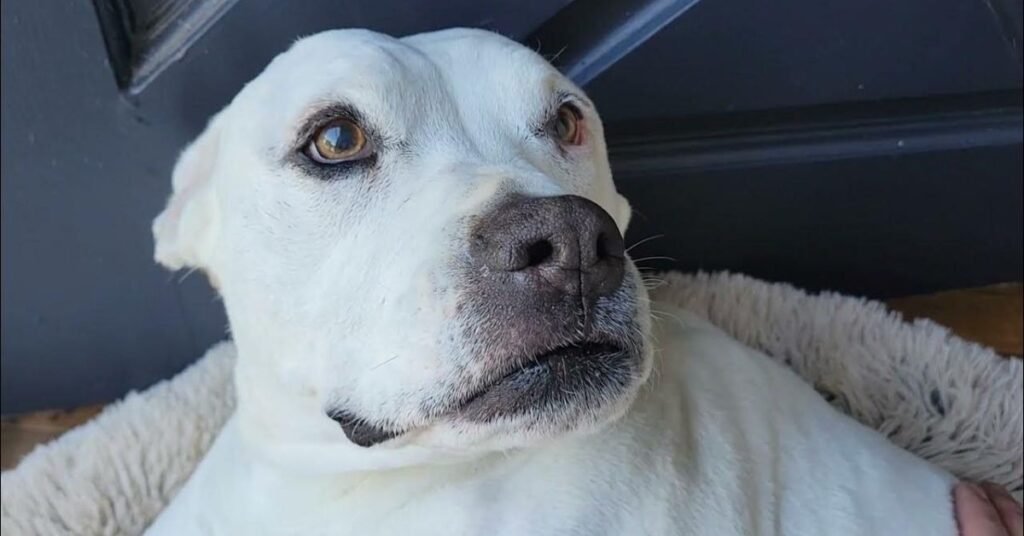
A dog ear hematoma is a swollen pocket of blood that forms inside a dog’s ear flap. It happens when small blood vessels break and leak blood between the layers of the ear. This usually makes the ear look puffy, soft, and filled with fluid. The swelling can appear suddenly and may feel warm to the touch.
Most ear hematomas are caused by head shaking or scratching due to irritation. Ear infections, allergies, or mites are common triggers. When a dog keeps shaking its head, the tiny blood vessels in the ear can burst. Without treatment, the ear may become thickened or scarred over time.
What Does a Dog Ear Hematoma Look Like?
A dog ear hematoma usually looks like a swollen, puffy ear flap. The ear may appear larger than normal and feel soft or squishy, like it is filled with fluid. In some cases, the swelling can happen overnight. The ear might also feel warm and look slightly red.
You may notice these visible signs:
- A thick, balloon-like swelling on one side of the ear
- The ear drooping lower than usual
- Redness or mild bruising
- Your dog tilting their head to one side
Why It Is Common in Certain Dog Breeds
Dog ear hematomas are more common in breeds with long or floppy ears. These ears trap moisture and heat easily. This can lead to frequent ear infections and irritation. When dogs keep shaking their heads, the blood vessels in the ear flap can break.
Some breeds are more at risk, such as:
- Cocker Spaniels
- Basset Hounds
- Labrador Retrievers
- Golden Retrievers
- Beagles
What Causes a Dog Ear Hematoma?
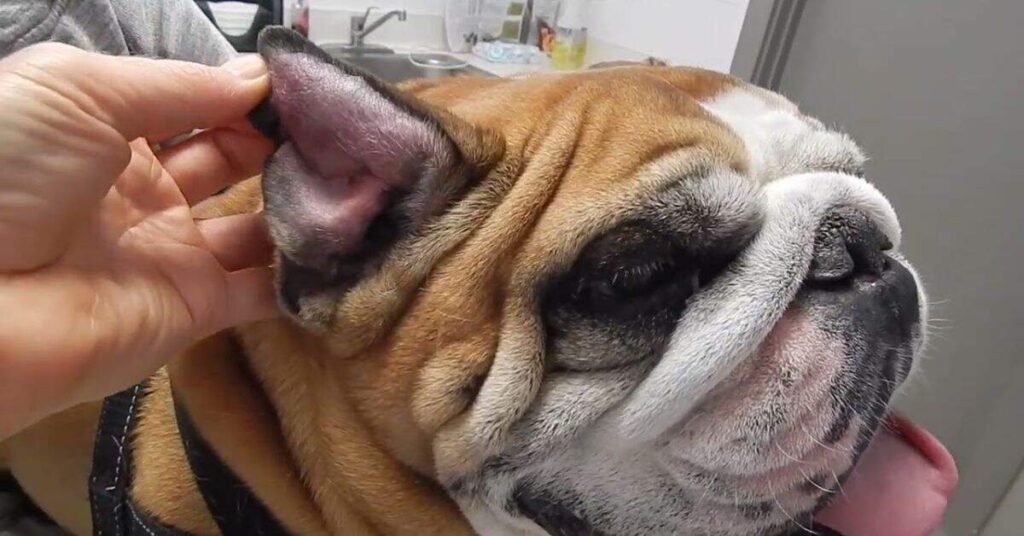
A dog ear hematoma is usually caused by repeated head shaking or scratching. When a dog shakes its head too hard, small blood vessels inside the ear flap can break. Blood then collects between the layers of the ear, causing swelling. This often happens because something is irritating the ear.
Common causes include:
- Ear infections
- Allergies (food or environmental)
- Ear mites or parasites
- Injury or rough play
- Skin conditions that cause itching
Ear Infections and Chronic Inflammation
Frequent ear infections are a leading reason why dogs develop ear hematomas. When a dog has an infection, the ear becomes itchy and painful. This makes the dog shake its head or scratch the ear again and again. Over time, this strong movement can break small blood vessels inside the ear flap.
Chronic inflammation makes the problem worse. If ear infections are not treated early, the ear tissue becomes thick and sensitive. The dog may feel constant discomfort. This increases the risk of swelling and blood pooling inside the ear. Treating the infection quickly can lower the chance of a hematoma forming.
| Condition | What It Means | Common Signs | How It Leads to Hematoma | Treatment Options |
| Bacterial Ear Infection | Bacteria grow inside the ear canal | Bad smell, redness, discharge | Causes severe itching and head shaking | Antibiotic ear drops, cleaning |
| Yeast Infection | Overgrowth of yeast in the ear | Brown discharge, strong odor | Irritation leads to scratching | Antifungal medication |
| Chronic Otitis | Long-term ear inflammation | Thickened ear canal, pain | Weakens blood vessels over time | Long-term medication plan |
| Allergic Ear Disease | Inflammation caused by allergies | Repeated infections, itching | Continuous shaking damages vessels | Allergy management + ear treatment |
| Untreated Infection | Infection left without care | Persistent swelling and pain | High risk of vessel rupture | Immediate veterinary care |
Trauma, Head Shaking, or Ear Scratching
Trauma, excessive head shaking, and ear scratching are major causes of dog ear hematomas. When a dog shakes its head hard or scratches repeatedly, tiny blood vessels in the ear flap can break. This causes blood to collect and form a swollen pocket. Even minor injuries can lead to a hematoma if the behavior continues.
These actions are often triggered by irritation or discomfort. Dogs with itchy ears, infections, or allergies tend to shake and scratch more. Over time, repeated trauma makes the ear more vulnerable. Early treatment of the underlying cause can prevent serious hematomas.
| Trigger | What Happens | Signs to Watch | Risk Level | Prevention |
| Head Shaking | Blood vessels rupture | Ear flap swelling, fluid buildup | High | Treat ear infections or irritation promptly |
| Ear Scratching | Tissue damage | Redness, small cuts, bleeding | Medium-High | Keep nails trimmed, use protective measures |
| Minor Ear Trauma | Impact or injury | Swelling, bruising | Medium | Avoid rough play, monitor for swelling |
| Allergies | Itching causes scratching | Frequent head shaking, redness | High | Manage allergies with vet guidance |
| Parasites | Ear mites irritate ears | Scratching, black debris | Medium | Regular parasite prevention and ear checks |
Symptoms of a Dog Ear Hematoma
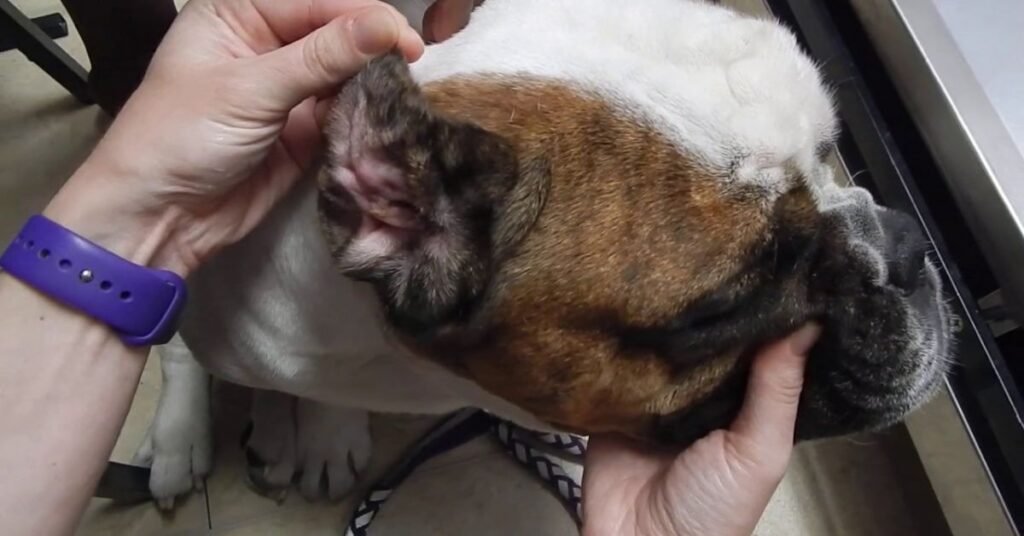
A dog ear hematoma often causes the ear flap to swell and look soft or puffy. The ear may feel warm and tender when you touch it. Dogs with a hematoma often shake their heads or scratch their ears more than usual.
Other signs you may notice include:
- One ear hanging lower than the other
- Red or slightly bruised skin on the ear flap
- Pain or discomfort when the ear is handled
- Restlessness or irritability in your dog
- Trouble sleeping or playing due to ear discomfort
Swelling and Fluid-Filled Ear Flap
One of the main signs of a dog ear hematoma is swelling in the ear flap. The ear may look larger than normal and feel soft or spongy. This happens because blood collects between the layers of the ear. Sometimes the swelling appears suddenly, even overnight.
The fluid-filled ear flap can be uncomfortable for your dog. It may feel warm or tender when touched. Dogs often shake their heads or scratch the affected ear. Early treatment can help reduce swelling and prevent permanent thickening of the ear.
Pain, Warmth, and Tenderness
A dog ear hematoma can cause noticeable pain in the affected ear. The ear may feel warm to the touch and be tender when handled. This discomfort can make dogs irritable or restless. They may avoid having their ears touched and shake their heads often.
Pain and tenderness usually happen because blood collects and stretches the ear flap. The longer the hematoma goes untreated, the more discomfort the dog feels. Early treatment can reduce pain and prevent permanent ear damage.
| Symptom | What It Feels Like | Why It Happens | Signs to Watch | Treatment Options |
| Pain | Ear is sensitive when touched | Pressure from fluid build-up | Avoiding ear touch, whining | Vet examination, drainage or surgery |
| Warmth | Ear feels hot compared to other ear | Inflammation from blood accumulation | Flap feels warmer than normal | Cold compress (short-term), vet care |
| Tenderness | Soft, spongy, or swollen ear flap | Stretching of tissue | Flinching or head shaking | Pain management, anti-inflammatory meds |
| Irritability | Dog becomes restless or moody | Ear discomfort | Barking, growling, or avoiding contact | Treat underlying cause + hematoma care |
| Head Shaking | Frequent shaking of the head | Relief from ear pressure or itch | Continuous shaking, pawing ear | Address cause + proper ear treatment |
How Veterinarians Diagnose Ear Hematomas
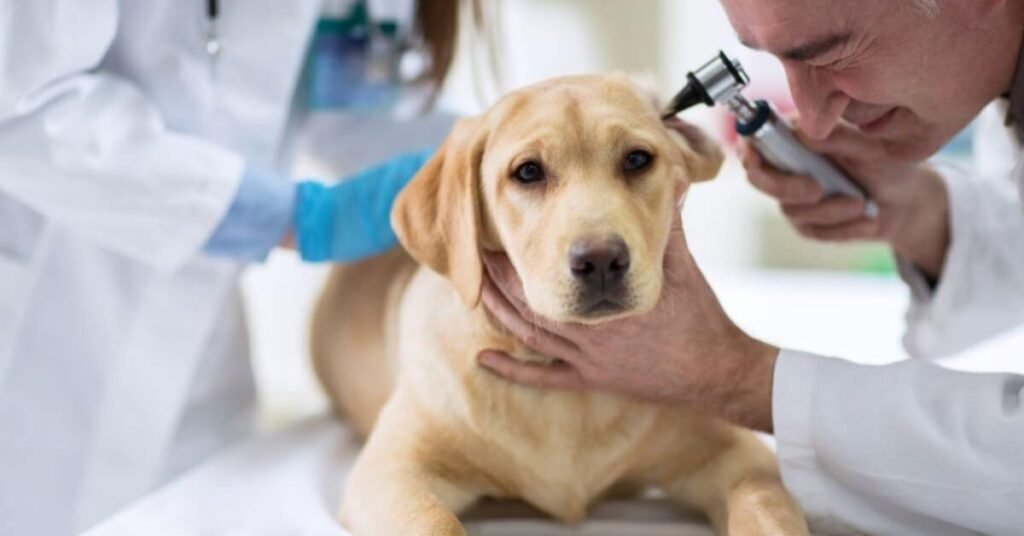
Veterinarians diagnose ear hematomas by examining the dog’s ear flap carefully. They check for swelling, redness, and fluid accumulation. The vet may gently feel the ear to see how soft or tender it is. They also look for signs of infection or injury that may have caused the hematoma.
Sometimes, the vet may clean the ear to get a better view inside. They may also check for underlying problems like ear infections, allergies, or parasites. Early diagnosis helps decide the best treatment and prevents the ear from getting permanently thickened or damaged.
Identifying Underlying Infections or Allergies
Many dog ear hematomas happen because of infections or allergies. Veterinarians look for these problems when examining the ear. Ear infections, caused by bacteria or yeast, make the ear itchy and painful. Allergies, from food or the environment, can also trigger constant scratching and head shaking.
Signs your dog may have an infection or allergy include:
- Red or inflamed ear skin
- Foul-smelling discharge from the ear
- Frequent scratching or pawing at the ear
- Head shaking or tilting
- Dry, flaky skin around the ear
Dog Ear Hematoma Treatment Options
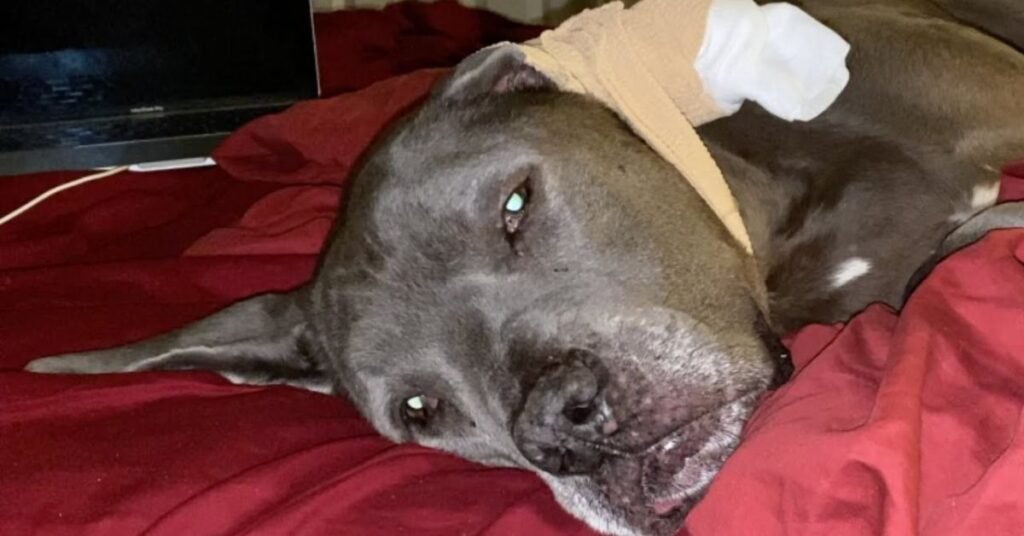
Dog ear hematomas can be treated in several ways depending on their size and severity. Small hematomas may heal on their own, but most need veterinary care. Treatment usually focuses on removing the fluid, reducing pain, and addressing the cause of the hematoma.
Your veterinarian may choose from non-surgical or surgical options. Treating the underlying problem, like an ear infection or allergy, is also important. Early treatment can prevent permanent thickening or scarring of the ear.
| Treatment Option | How It Works | When It Is Used | Pros | Cons |
| Needle Drainage (Aspiration) | Fluid is drained with a needle | Small to medium hematomas | Minimally invasive, quick | May refill if underlying cause not treated |
| Steroid Injections | Reduces inflammation inside the ear flap | Mild to moderate cases | Non-surgical, reduces swelling | May require multiple visits, not for large hematomas |
| Surgical Treatment | Ear flap is cut and stitched to remove fluid | Large or recurring hematomas | Permanent solution, low chance of recurrence | Invasive, requires anesthesia, longer recovery |
| Treating Underlying Infection | Antibiotics or antifungal meds | Infection-related hematomas | Addresses root cause, prevents recurrence | Does not remove existing fluid |
| Allergy Management | Medications or diet changes | Allergy-induced hematomas | Reduces scratching and irritation | Slow to show effect, may need long-term plan |
Steroid Injections and Medication
Steroid injections and medications are sometimes used to treat certain health problems in dogs. These medicines help reduce inflammation and pain. They are often used for allergies, skin problems, or joint swelling. Steroids work by calming the immune system. This can help dogs feel more comfortable and reduce irritation or itching.
Veterinarians may use steroid injections for quick relief. Oral steroid medicines may also be given for longer treatment. However, steroids must be used carefully. Too much use can cause side effects such as increased thirst, weight gain, or weakness. Conditions like Allergic Dermatitis or Arthritis are sometimes treated with steroids when other treatments are not enough.
| Treatment Type | How It Is Given | Common Use | Possible Side Effects |
| Steroid Injection | Injection given by a veterinarian | Quick relief for severe inflammation | Increased thirst, temporary weakness |
| Oral Steroid Tablets | Pills given by mouth | Long-term allergy or inflammation control | Weight gain, increased appetite |
| Steroid Cream | Applied to the skin | Skin irritation or rashes | Skin thinning with long use |
| Short-Term Steroid Therapy | Used for a few days | Acute allergic reactions | Mild temporary side effects |
| Long-Term Steroid Therapy | Used for chronic conditions | Severe allergies or autoimmune diseases | Higher risk of side effects |
| Anti-Inflammatory Steroids | Reduces swelling in tissues | Joint pain or swelling | Increased thirst and hunger |
| Immune-Suppressing Steroids | Controls immune system response | Autoimmune diseases | Increased infection risk |
| Allergy Steroid Treatment | Reduces itching and skin redness | Seasonal allergies | Possible weight gain |
| Joint Pain Steroid Therapy | Reduces joint inflammation | Arthritis or joint injuries | Muscle weakness if overused |
| Emergency Steroid Injection | Fast treatment during severe reactions | Serious allergic reactions | Temporary changes in behavior |
| Combination Treatment | Steroids with other medications | Severe skin or immune conditions | Depends on medication mix |
| Tapered Steroid Dosage | Gradual reduction of dose | Prevents sudden withdrawal effects | Helps reduce side effects |
Surgical Treatment for Severe Cases
In severe dog ear hematomas, surgery may be the best option. The veterinarian removes the collected blood and repairs the ear flap. Surgery helps prevent permanent thickening, scarring, or misshaped ears. It is usually recommended when the hematoma is large or keeps coming back.
Surgery can involve different techniques, such as:
- Making small incisions to drain the fluid
- Placing stitches or drainage tubes to prevent refilling
- Correcting the ear flap shape for proper healing
- Treating any underlying infection or allergy at the same time
Can a Dog Ear Hematoma Heal Without Surgery?
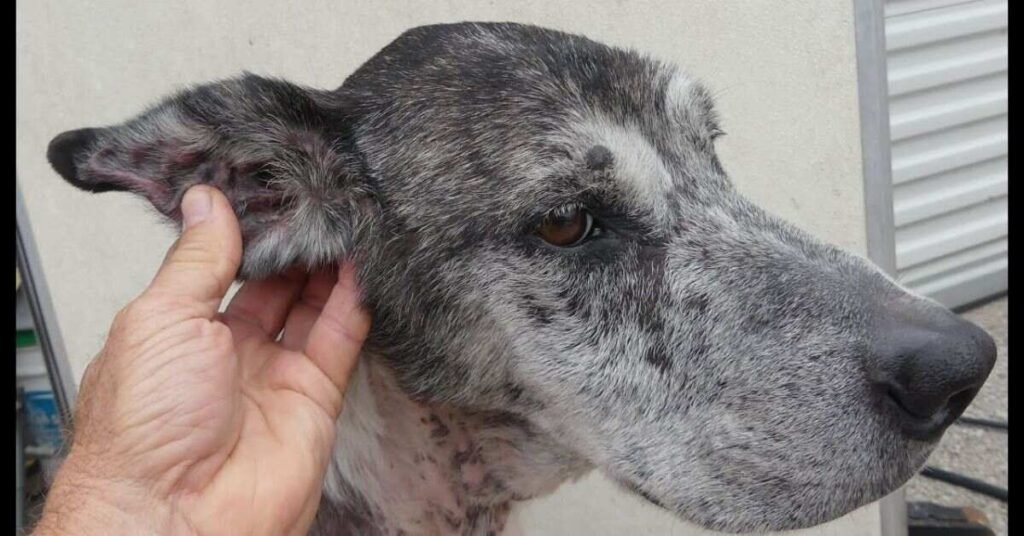
Some small dog ear hematomas may get better on their own. The body can gradually absorb the trapped blood, but this can take several weeks. During this time, the ear might stay swollen and feel uncomfortable for the dog.
Healing without surgery works best when the main cause is treated. For example, controlling allergies or curing an ear infection can stop the dog from scratching or shaking its head. Mild treatments like steroid injections or careful drainage can also help. Large or repeated hematomas usually need surgery to prevent permanent ear changes.
When Natural Healing Is Possible
Natural healing of a dog ear hematoma is possible in small cases. If the hematoma is mild and the ear flap is not too swollen, the body can slowly absorb the trapped blood. The swelling may go down over a few weeks. The dog may still feel some discomfort during this time.
Natural healing works best when the cause is addressed. Treating allergies, infections, or parasites can stop the dog from scratching or shaking its head. Gentle care and monitoring can help the ear heal. However, large or recurring hematomas usually need veterinary treatment to prevent permanent damage.
Risks of Leaving It Untreated
Leaving a dog ear hematoma untreated can cause serious problems. The ear may become permanently thickened or misshaped. The swelling can stay for weeks or months, causing ongoing discomfort. Untreated hematomas can also increase the risk of infections.
Other risks include:
- Permanent scarring of the ear flap
- Chronic pain and sensitivity
- Repeated hematomas in the same ear
- Difficulty hearing if swelling is severe
- Behavioral changes due to constant discomfort
Recovery and Aftercare After Treatment
After treating a dog ear hematoma, proper recovery and aftercare are very important. The ear may stay swollen or tender for a few days. Dogs may need to wear a protective collar to stop scratching or head shaking. Following the veterinarian’s instructions helps the ear heal correctly and prevents the hematoma from coming back.
Monitoring your dog during recovery is essential. Regular cleaning, medications, and gentle care can speed up healing. Paying attention to signs of infection or discomfort ensures timely action.
| Aftercare Step | Purpose | How to Do It | Duration | Notes |
| Protective Collar | Prevents scratching or head shaking | Use an Elizabethan collar or soft cone | Until ear heals | Check for comfort and fit daily |
| Medication | Reduces pain and inflammation | Administer prescribed painkillers or anti-inflammatories | As prescribed by vet | Do not skip doses |
| Cleaning the Ear | Prevents infection | Use vet-approved ear cleaner | Daily or as advised | Avoid deep cleaning that may hurt the ear |
| Monitoring Swelling | Track healing progress | Check ear for size, redness, or warmth | Daily | Contact vet if swelling increases |
| Follow-Up Visits | Ensure proper healing | Visit vet for check-ups | As scheduled | Important for surgical cases |
| Address Underlying Cause | Prevent recurrence | Treat infections, allergies, or mites | Ongoing | Helps reduce risk of new hematomas |
Healing Time and What to Expect
The healing time for a dog ear hematoma depends on its size and treatment method. Small hematomas may improve in a few weeks with proper care. Larger or surgically treated hematomas can take several weeks to a few months to fully heal. During this time, some swelling or tenderness may remain.
You should expect your dog to be a little uncomfortable at first. Protective collars and medications may be needed to reduce pain and prevent scratching. Regular follow-ups with the vet help monitor progress. With proper care, most dogs recover fully without permanent ear damage.
Conclusion
Dog ear hematomas are common, especially in dogs with floppy ears or allergies. They can cause swelling, pain, and discomfort. Early attention and proper Dog Ear Hematoma Treatment are important to prevent permanent ear damage.
Dog Ear Hematoma Treatment options vary depending on the size and severity. Small hematomas may heal naturally, but most cases need veterinary care. Non-surgical Dog Ear Hematoma Treatment, such as drainage or steroid injections, can help reduce swelling. Large or recurring cases often require surgical Dog Ear Hematoma Treatment for lasting results.
After any Dog Ear Hematoma Treatment, proper aftercare is essential. Protective collars, medications, and gentle monitoring help speed up recovery. Treating underlying causes like infections or allergies is also a key part of effective Dog Ear Hematoma Treatment and prevents future issues.
With early diagnosis and the right Dog Ear Hematoma Treatment, most dogs recover fully. Swelling and discomfort usually go away, and the ear can return to its normal shape. Acting quickly and staying aware of symptoms helps keep your dog healthy and happy.
FAQs
1. What is a dog ear hematoma?
A dog ear hematoma is a swelling in the ear flap caused by blood collecting between the ear layers. It happens when small blood vessels break due to scratching or head shaking. The ear often looks puffy and feels warm.
2. What causes a dog ear hematoma?
Common causes include ear infections, allergies, parasites, and injuries. Anything that makes a dog shake its head or scratch frequently can lead to a hematoma.
3. Can a dog ear hematoma heal without surgery?
Yes, small hematomas may heal on their own if the cause is treated. However, many cases still need proper Dog Ear Hematoma Treatment like drainage or medication to avoid complications.
4. How long does healing take?
Healing time depends on severity and treatment. Mild cases may take a few weeks, while severe cases or surgery can take several weeks to months.
5. How can I prevent ear hematomas?
Prevent infections, manage allergies, and keep your dog’s ears clean. Regular care and early treatment of irritation help reduce the risk.

DogsVibes Editorial Team creates trusted, research-based dog care content to help pet owners keep their dogs healthy, happy, and safe.