

Introduction
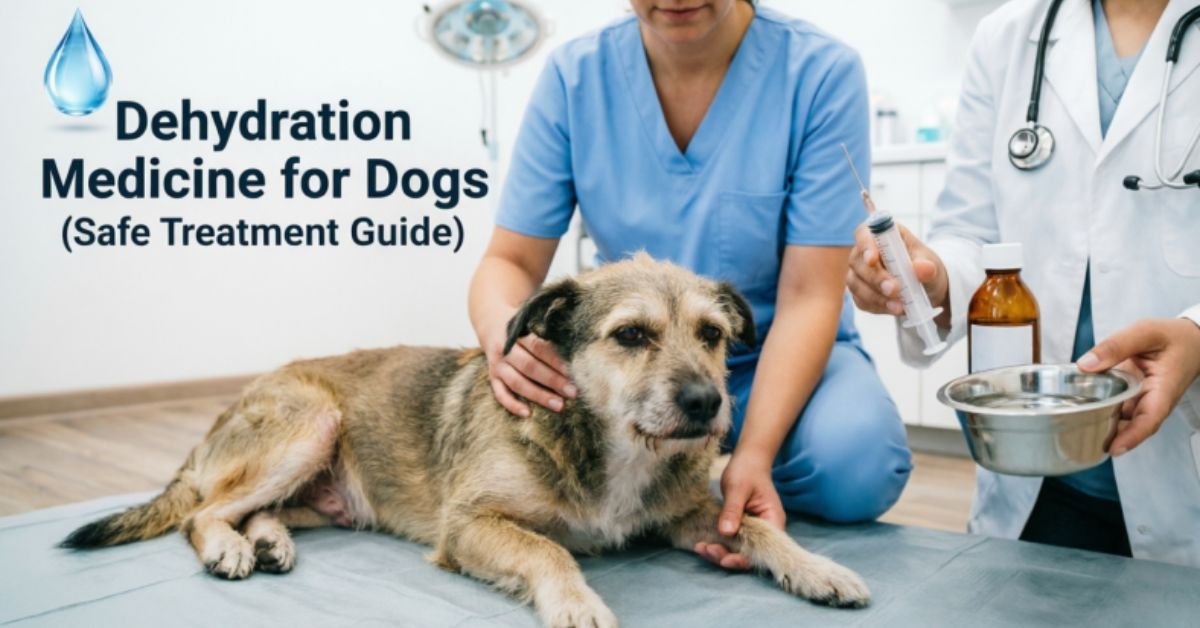
Dehydration in dogs happens when their body loses more fluids than it takes in. Water is very important for digestion, circulation, and body temperature control. When a dog does not have enough fluids, its organs cannot work properly. This can quickly become a serious health problem if not treated on time.
Many pet owners do not notice dehydration until the symptoms become severe. A dog may look tired, have dry gums, or refuse to eat. In hot weather or during illness, dehydration can develop very fast. That is why understanding the warning signs can help you protect your dog before the condition becomes dangerous.
In this complete guide, you will learn about the common causes, early symptoms, and the best dehydration medicine for dogs. We will also explain safe treatment options and when to visit a veterinarian. By the end, you will know how to keep your dog healthy and properly hydrated.
What Is Dehydration in Dogs and Why Does It Matter?
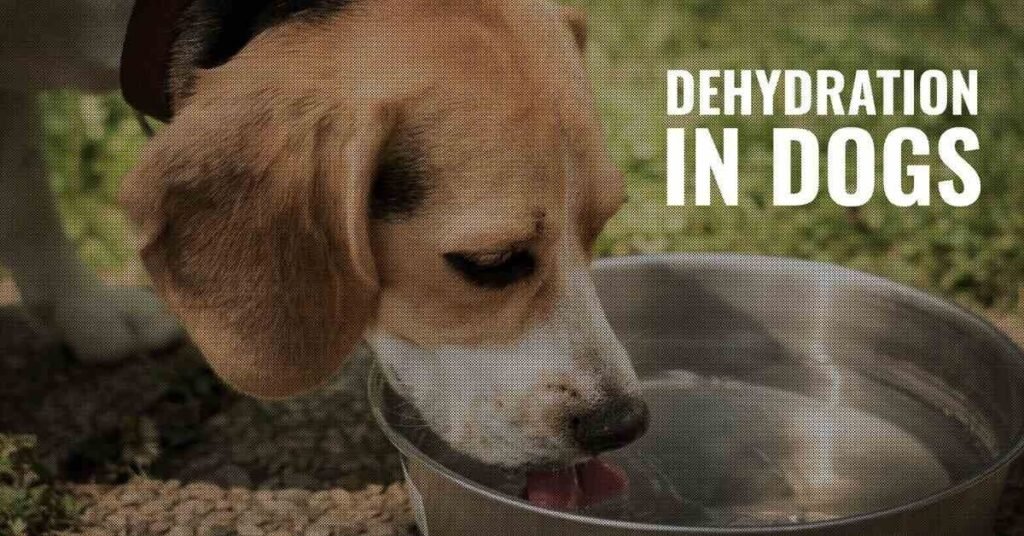
Dehydration in dogs happens when their body loses more water than it takes in. Water is very important for keeping their organs working properly. It helps with digestion, blood circulation, and regulating body temperature. Even a small loss of fluids can make a dog feel weak and tired.
It matters because untreated dehydration can become dangerous fast. Severe dehydration can harm the kidneys, heart, and other organs. Dogs may stop eating, become lethargic, or have dry gums. Recognizing dehydration early can prevent serious health problems and save your dog’s life.
How Dehydration Affects a Dog’s Body
When a dog is dehydrated, its body cannot function properly. Water is needed for every part of the body. Lack of fluids affects the organs, blood flow, and overall energy. Even mild dehydration can make a dog weak, tired, and less active.Severe dehydration can be dangerous. It can cause organ damage and other health problems.
Some effects of dehydration include:
- Dry or sticky gums
- Sunken eyes
- Rapid heartbeat
- Loss of appetite
- Weakness and lethargy
What Causes Dehydration in Dogs?
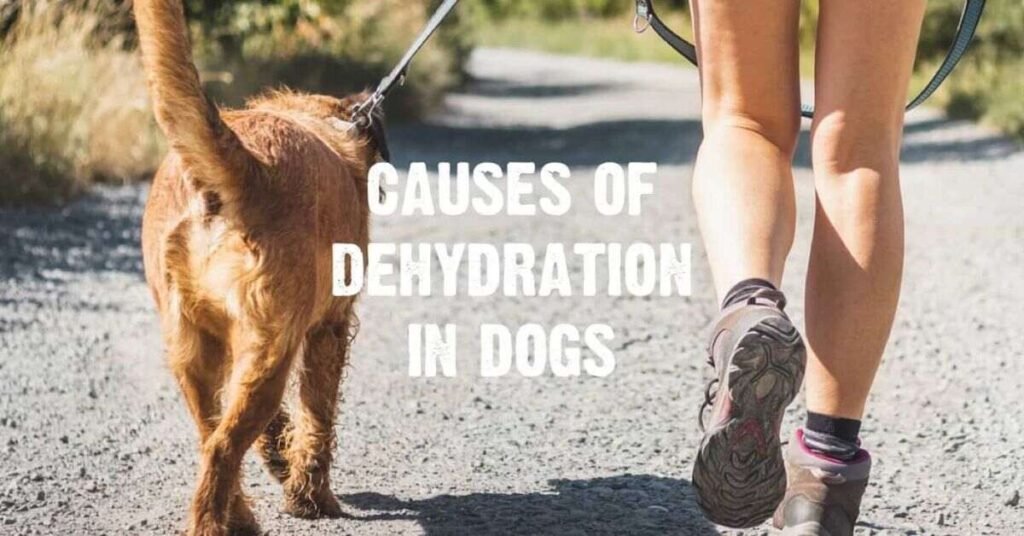
Dehydration in dogs happens when their body loses too much fluid. This can occur if they are sick, overheated, or not drinking enough water. Dogs can lose fluids quickly, especially during hot weather or after heavy exercise. If the lost fluids are not replaced, dehydration can develop fast.
Common causes of dehydration in dogs include:
- Vomiting and diarrhea
- High fever or infections
- Heatstroke or long time in the sun
- Excessive exercise
- Side effects of certain medications
- Limited access to clean drinking water
Illness and Medical Conditions
Sometimes a dog may gain weight because of a health problem. Certain illnesses can slow down the body’s metabolism. This means the dog burns fewer calories. Even normal food portions can lead to weight gain. In these cases, diet and exercise alone may not solve the problem. A veterinarian may need to check your dog’s health.
Some medical conditions can also make dogs feel tired or less active. When dogs move less, they burn fewer calories. Hormonal problems are a common reason for this issue. For example, conditions like Hypothyroidism or Cushing’s Disease can affect weight and energy levels. If your dog gains weight quickly or shows unusual symptoms, a veterinary checkup is very important.
| Medical Condition | What Happens in the Body | Common Symptoms | Effect on Weight |
| Hypothyroidism | Thyroid gland produces low hormone levels | Low energy, hair loss, slow metabolism | Weight gain |
| Cushing’s Disease | Body produces too much cortisol hormone | Increased hunger, thirst, belly fat | Weight gain |
| Arthritis | Joint inflammation causes pain | Stiffness, slow movement | Less activity leads to weight gain |
| Diabetes | Body cannot control blood sugar properly | Increased thirst, frequent urination | Weight changes |
| Heart Disease | Heart cannot pump blood efficiently | Tiredness, breathing problems | Reduced exercise ability |
| Hormonal Imbalance | Hormones that control metabolism become unbalanced | Fatigue, appetite changes | Weight gain or loss |
| Digestive Disorders | Problems with digestion and nutrient absorption | Vomiting, diarrhea, poor appetite | Irregular weight changes |
| Chronic Pain | Ongoing pain limits movement | Limping, reluctance to exercise | Reduced activity |
| Liver Disease | Liver cannot process nutrients properly | Weakness, appetite changes | Weight changes |
| Kidney Disease | Kidneys cannot remove waste efficiently | Increased thirst, fatigue | Possible weight loss or gain |
| Medication Side Effects | Some drugs change appetite or metabolism | Increased hunger or tiredness | Weight gain |
Heat, Exercise, and Environmental Triggers
Hot weather is one of the most common causes of dehydration in dogs. Dogs lose fluids when they pant to cool down. If they stay in the sun too long, their body temperature can rise quickly. Without enough water, this can lead to dehydration or even heatstroke.
Too much exercise can also cause fluid loss. Running, playing, or long walks in warm weather increase sweating through paw pads and heavy panting. Dry climates, poor ventilation, and limited shade can make the situation worse. Dogs need extra water during these conditions to stay safe.
| Trigger Type | How It Causes Dehydration | Risk Level | Prevention Tips |
| Hot Weather | Excessive panting leads to fluid loss | High | Provide shade and fresh water |
| Direct Sun Exposure | Raises body temperature quickly | High | Avoid midday outdoor activity |
| Intense Exercise | Heavy breathing increases water loss | Moderate–High | Offer water breaks every 15–20 minutes |
| Long Walks | Continuous activity reduces fluid levels | Moderate | Carry portable water |
| Humid Conditions | Makes cooling harder for dogs | High | Limit outdoor time |
| Dry Climate | Faster evaporation of body moisture | Moderate | Increase daily water intake |
| Poor Ventilation | Traps heat and raises body temperature | High | Ensure airflow indoors |
| Traveling in Cars | Heat builds up rapidly | Very High | Never leave dogs in parked cars |
Medications That Increase Fluid Loss
Some medications can cause dogs to lose more fluids than normal. These medicines may increase urination or affect how the body holds water. When a dog urinates more often, it can become dehydrated if it does not drink enough water. This is common with certain heart or kidney medications.
Diuretics, steroids, and some treatments for chronic conditions can raise the risk of dehydration. Dogs taking these medicines need close monitoring. Owners should always provide fresh water and watch for signs like dry gums or tiredness. If you notice unusual symptoms, contact your veterinarian for advice.
Signs and Symptoms of Dehydration in Dogs
Dehydration in dogs can start with mild signs that are easy to miss. A dog may seem tired or less playful than usual. You might notice dry gums or a sticky feeling in the mouth. As fluid loss continues, the body begins to struggle to function normally.
Severe dehydration can become a medical emergency. Dogs may have sunken eyes, rapid breathing, or weakness. In serious cases, they may collapse or stop responding. Knowing the symptoms early can help you act fast and protect your dog’s health.
| Symptom | What It Looks Like | Severity Level | What You Should Do |
| Dry or Sticky Gums | Gums feel dry instead of moist | Mild | Offer fresh water immediately |
| Loss of Energy | Dog seems tired or weak | Mild | Monitor closely and encourage drinking |
| Thick Saliva | Saliva appears sticky or ropey | Mild–Moderate | Provide fluids and observe |
| Sunken Eyes | Eyes appear deeper than normal | Moderate | Contact a veterinarian |
| Loss of Appetite | Refuses food or treats | Moderate | Monitor hydration and call vet if continues |
| Panting Heavily | Rapid breathing without activity | Moderate | Move to cool area and give water |
| Skin Tent (Slow Skin Return) | Skin stays raised when gently pulled | Moderate–Severe | Seek veterinary care |
| Rapid Heartbeat | Faster pulse than normal | Severe | Emergency vet visit |
| Collapse or Fainting | Dog cannot stand or respond | Critical | Immediate emergency care |
Early Warning Signs
Early signs of dehydration in dogs can be very mild. Your dog may seem less active than usual. It might sleep more or avoid playing. These small changes are easy to ignore, but they can be the first warning signs.You may also notice physical changes in your dog’s body. Checking these signs at home can help you act quickly.
Common early warning signs include:
- Dry or slightly sticky gums
- Mild loss of appetite
- Thick saliva
- Slightly sunken eyes
- Reduced interest in water
Severe Symptoms That Require Immediate Care
Severe dehydration can quickly become life-threatening. At this stage, your dog’s body is struggling to function properly. Organs may not get enough blood and oxygen. This is a medical emergency and should never be ignored.Watch for serious warning signs that mean you should go to the vet right away.
These symptoms include:
- Very dry or pale gums
- Weak or rapid pulse
- Extreme weakness or inability to stand
- Sunken eyes with dull appearance
- Collapse or fainting
- Fast or difficult breathing
How Veterinarians Diagnose Dehydration in Dogs
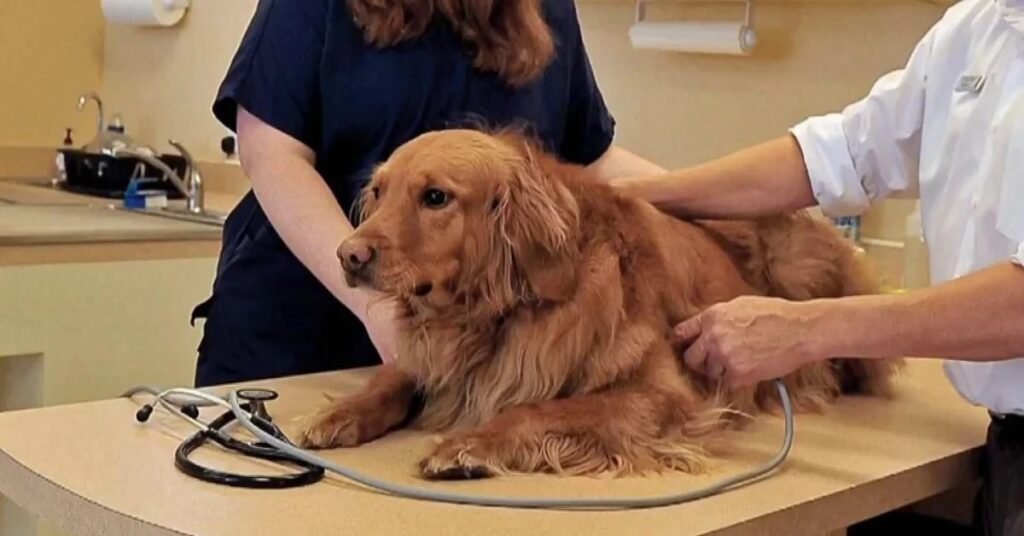
Veterinarians start with a physical examination. They check your dog’s gums, eyes, and overall energy level. One common test is the skin turgor test, where the vet gently lifts the skin to see how quickly it returns to normal. They also check heart rate and body temperature.
In some cases, the vet may recommend blood or urine tests. These tests help measure fluid levels and check organ function. They can also find the underlying cause of dehydration. A proper diagnosis helps the vet choose the right treatment for your dog.
Physical Exam and Skin Turgor Test
During a physical exam, the veterinarian checks your dog’s overall condition. They look at the gums to see if they are moist or dry. They also check the eyes, heart rate, and body temperature. These simple checks help the vet understand how serious the dehydration is.
One common method is the skin turgor test. The vet gently lifts the skin between the shoulders and then releases it. In a well-hydrated dog, the skin quickly returns to normal. In a dehydrated dog, the skin stays raised for a few seconds. The vet may also check:
- Gum moisture and color
- Capillary refill time (how fast gums turn pink again)
- Heart rate and pulse strength
- Body weight changes
Best Dehydration Medicine for Dogs and Treatment Options
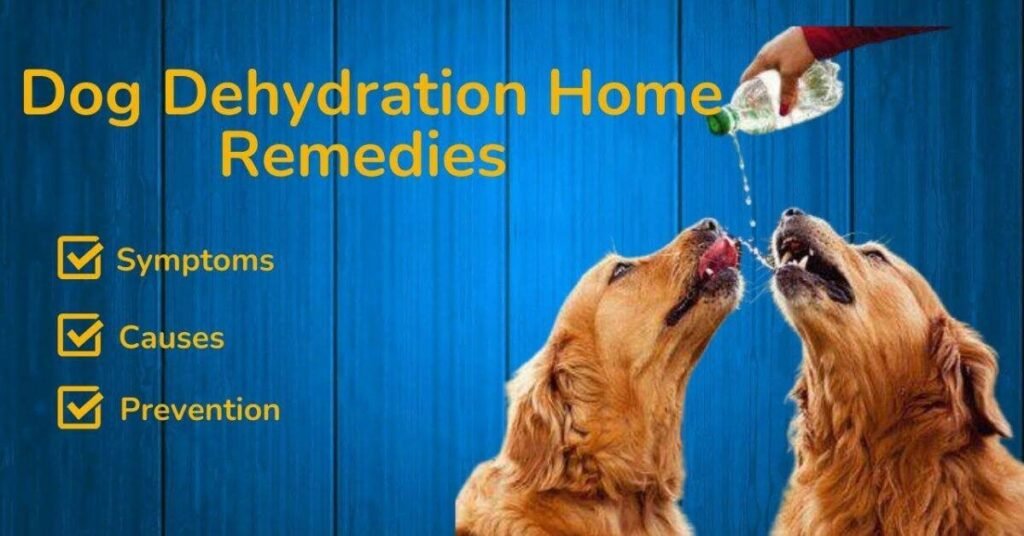
The best treatment for dehydration depends on how serious it is. Mild cases can often be treated at home with fresh water and vet-approved oral rehydration solutions. Dogs should drink small amounts slowly. Severe cases need medical care right away. A veterinarian may give fluids through an IV or under the skin to restore balance quickly.
Treatment also focuses on the main cause. If dehydration is due to vomiting, diarrhea, heatstroke, or illness, that problem must be treated too. Some dogs may need anti-nausea medicine, antibiotics, or special diets. Early treatment helps prevent serious damage to organs. Always follow your vet’s advice before giving any medicine.
| Treatment Option | When It Is Used | How It Helps | Given By | Notes |
| Fresh Clean Water | Mild dehydration | Replaces lost fluids slowly | Owner | Offer small amounts frequently |
| Oral Rehydration Solution (Vet-Approved) | Mild to moderate dehydration | Restores fluids and electrolytes | Owner (with vet advice) | Do not use human sports drinks unless vet approves |
| Subcutaneous Fluids (Under the Skin) | Moderate dehydration | Adds fluids gradually | Veterinarian | Often used for stable but dehydrated dogs |
| Intravenous (IV) Fluids | Severe dehydration | Quickly restores fluid and electrolyte balance | Veterinarian | Used in emergency or hospital cases |
| Anti-Nausea Medication | Dehydration caused by vomiting | Stops vomiting to prevent further fluid loss | Veterinarian | Helps dog keep fluids down |
| Anti-Diarrheal Medication | Dehydration caused by diarrhea | Reduces fluid loss through stool | Veterinarian | Used after proper diagnosis |
| Antibiotics | Bacterial infections | Treats infection causing fluid loss | Veterinarian | Only if infection is confirmed |
| Electrolyte Monitoring | Moderate to severe cases | Checks sodium, potassium, and other levels | Veterinarian | Important in serious cases |
| Special Recovery Diet | After illness | Supports hydration and healing | Owner (with vet plan) | Easy-to-digest food recommended |
Oral Rehydration Solutions
Oral rehydration solutions are fluids that help replace lost water and electrolytes. They are safe for dogs when approved by a veterinarian. These solutions work quickly to restore hydration without overloading the stomach. Dogs can drink them in small amounts throughout the day.
They are especially helpful for mild to moderate dehydration caused by vomiting, diarrhea, or heat. Oral rehydration solutions can prevent the need for IV fluids in many cases. Always follow your vet’s instructions on the amount and frequency. Never give human sports drinks unless your vet approves.
Treating the Underlying Cause
Treating dehydration is not enough on its own. The main reason for fluid loss must also be addressed. If your dog has vomiting or diarrhea, the veterinarian may give medicine to stop it. Infections may need antibiotics, and heatstroke requires cooling and rest.
Chronic conditions like kidney disease or diabetes also need proper management. Treating the cause helps your dog recover faster and prevents dehydration from returning. Following the vet’s instructions carefully is important for your dog’s full recovery.
How to Hydrate a Dog That Won’t Drink Water
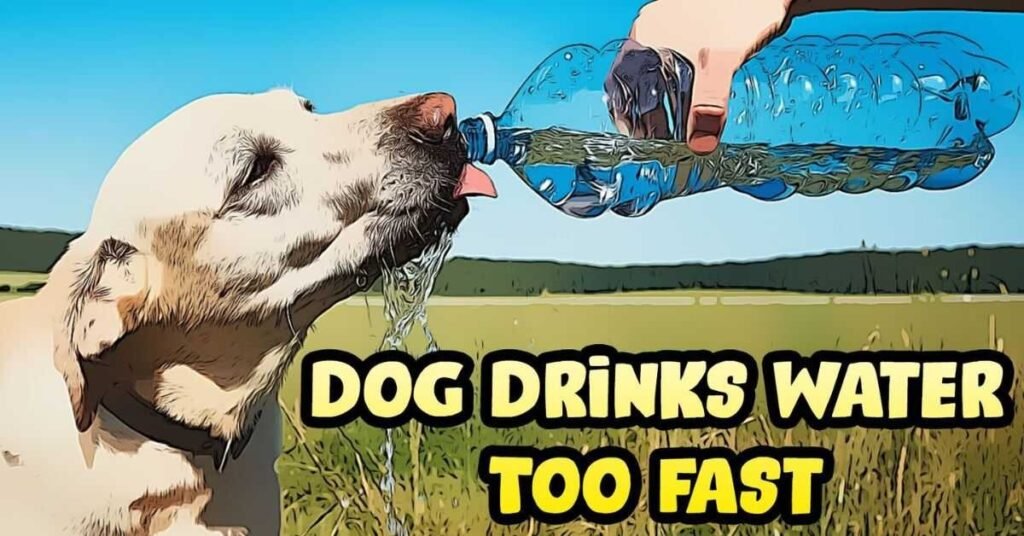
Sometimes dogs refuse water even when they are thirsty. This can happen if they feel unwell, stressed, or very tired. It is important to keep offering fluids carefully. Giving small amounts often is better than letting them drink a lot at once.
You can try safe ways to help your dog stay hydrated at home, such as:
- Letting your dog lick ice cubes or ice chips
- Adding a little low-sodium broth to their water
- Using a syringe or dropper to give fluids slowly
- Feeding wet or canned food to increase water intake
- Keeping the water bowl clean and filled with fresh water
Safe Home Hydration Tips
Keeping your dog hydrated at home is very important. Fresh water should always be available. Watch your dog for signs of dehydration, especially during hot weather or after exercise. Small, regular sips are easier for dogs than drinking a lot at once.
Here are some safe tips to help your dog stay hydrated:
- Change water frequently to keep it fresh
- Offer ice cubes or frozen treats in summer
- Mix a little low-sodium broth with water
- Provide wet or canned food to add extra fluids
- Encourage breaks and rest after exercise
When to Call a Veterinarian for Dog Dehydration
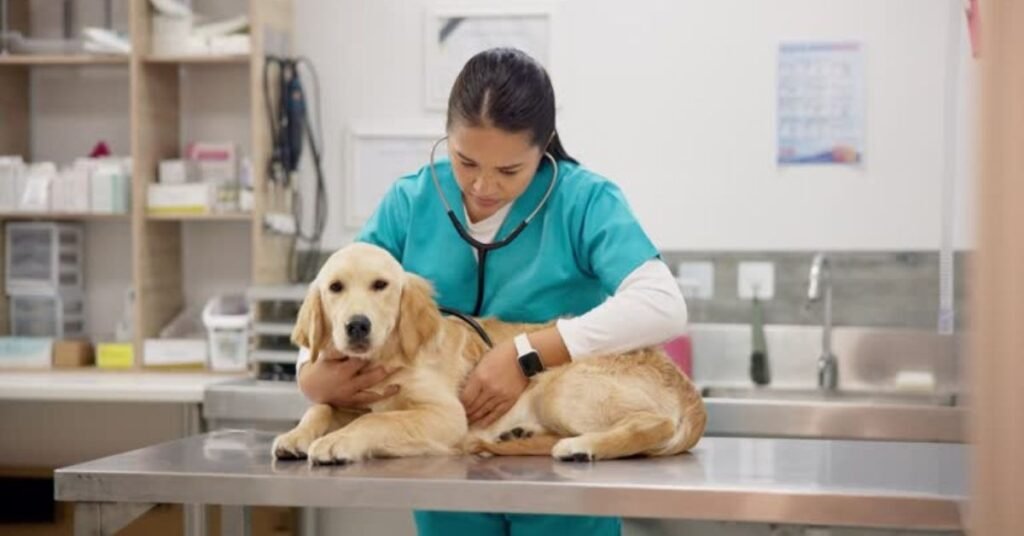
You should reach out to a veterinarian if your dog shows serious signs of dehydration. Look for very dry gums, sunken eyes, or extreme weakness. Fast breathing, fainting, or collapse are emergencies. Getting help quickly can protect your dog’s health.
Even mild symptoms should not be ignored. Persistent vomiting, diarrhea, or refusing to drink water can lead to more serious problems. A veterinarian can provide guidance and recommend treatments like fluids or medications. Acting early can prevent dehydration from becoming life-threatening.
Emergency Warning Signs
Some signs of dehydration in dogs are serious and need immediate attention. If your dog shows these symptoms, it is an emergency. Quick action can save your dog’s life.
Watch for these warning signs:
- Collapse or inability to stand
- Very dry or pale gums
- Rapid or weak heartbeat
- Sunken, dull-looking eyes
- Fast or labored breathing
- Extreme weakness or confusion
How to Prevent Dehydration in Dogs at Home
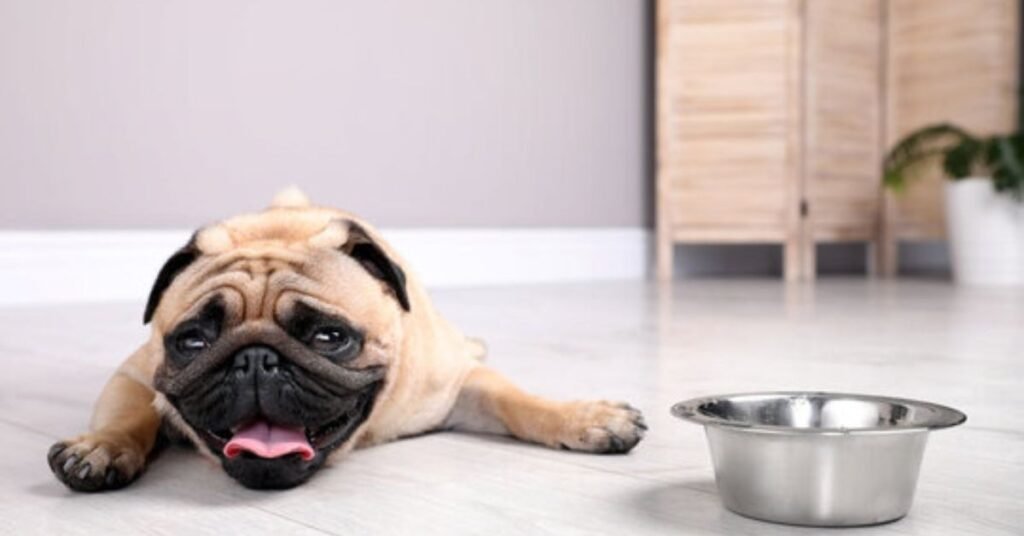
Preventing dehydration is easier than treating it. Make sure your dog always has access to clean, fresh water. Encourage them to drink regularly, especially during hot weather or after exercise. Keep an eye on their behavior and energy levels for early warning signs.
Here are some tips to help prevent dehydration at home:
- Change water daily and keep bowls clean
- Offer wet or canned food to add extra fluids
- Provide shade and rest during hot weather
- Limit intense exercise in extreme heat
- Monitor high-risk dogs like puppies, seniors, or sick pets
High-Risk Dogs (Puppies, Seniors, and Chronic Conditions)
Some dogs are more likely to get dehydrated than others. Puppies and senior dogs are at higher risk because their bodies handle fluids differently. Dogs with chronic illnesses, like kidney disease or diabetes, can also lose water faster. These dogs need extra care and attention to prevent dehydration.
Monitoring hydration and offering fluids regularly is very important for high-risk dogs. Knowing the specific needs of each group can help prevent serious health problems.
| High-Risk Group | Why They Are at Risk | Signs to Watch For | Prevention Tips |
| Puppies | Small body size, high activity, immature organs | Lethargy, dry gums, not drinking | Offer small frequent water breaks, monitor closely |
| Senior Dogs | Weaker organs, slower metabolism | Sunken eyes, weakness, decreased appetite | Encourage drinking, provide wet food, regular vet checkups |
| Dogs with Kidney Disease | Kidneys cannot retain water properly | Excessive thirst, frequent urination | Follow vet hydration plan, monitor water intake |
| Dogs with Diabetes | High blood sugar leads to fluid loss | Increased urination, dry mouth | Regular vet visits, ensure consistent fluid access |
| Dogs with Chronic Illnesses | Illnesses like heart or liver problems affect fluids | Tiredness, poor appetite, panting | Monitor closely, offer fluids frequently, follow vet advice |
Conclusion
Dehydration in dogs is a serious health concern. Even small fluid losses can make a dog weak and uncomfortable. Understanding the role of Dehydration Medicine for Dogs can help you act quickly and protect your pet. If left untreated, dehydration may cause major health problems, so early action is always important.
Watching for warning signs is essential. Dry gums, sunken eyes, and low energy are common red flags. In such cases, Dehydration Medicine for Dogs may be needed along with proper hydration. Encouraging your dog to drink water regularly also helps prevent complications. Always provide fresh, clean water to support recovery.
Treatment depends on the cause and severity. Mild cases can often be managed at home with fluids, rest, and sometimes Dehydration Medicine for Dogs recommended by a vet. However, serious cases require professional care, including IV fluids or advanced Dehydration Medicine for Dogs. Addressing the root cause ensures your dog recovers fully.
Prevention remains the best strategy. Ensure constant access to clean water, offer wet food, and provide shade during hot weather. Puppies, senior dogs, and dogs with health issues may need extra attention and even preventive use of Dehydration Medicine for Dogs in some cases. With proper care, your dog can stay healthy, active, and well-hydrated.
FAQs
1. What are the signs that my dog is dehydrated?
Common signs include dry or sticky gums, sunken eyes, low energy, and loss of appetite. In such cases, Dehydration Medicine for Dogs may be necessary. You can also perform a skin turgor test—if the skin doesn’t snap back quickly, dehydration is likely.
2. Can dehydration be treated at home?
Mild dehydration can sometimes be managed with water, wet food, or vet-approved fluids. In some situations, Dehydration Medicine for Dogs can help. However, moderate to severe cases require veterinary treatment.
3. What causes dehydration in dogs?
Dehydration can result from heat, exercise, vomiting, diarrhea, illness, or certain medications. In these cases, timely use of Dehydration Medicine for Dogs can support recovery. Puppies and senior dogs are at higher risk.
4. How can I prevent my dog from getting dehydrated?
Provide fresh water at all times, offer wet food, and ensure shade in hot weather. Preventive care may sometimes include Dehydration Medicine for Dogs, especially for high-risk pets.
5. When should I take my dog to the vet for dehydration?
Seek immediate veterinary care if your dog shows severe symptoms like collapse, very dry gums, or labored breathing. In such cases, urgent Dehydration Medicine for Dogs and professional treatment are critical.

DogsVibes Editorial Team creates trusted, research-based dog care content to help pet owners keep their dogs healthy, happy, and safe.